


 Deutsch
 English
 Español
 Français
 Nederlands
 Português


 Share
Share




The Future of Driving: Vehicles That Talk to Each Other
In a groundbreaking development for automotive safety, vehicle-to-vehicle (V2V) communication technology is transforming how cars interact on the road. This innovative system allows vehicles to exchange critical information about their speed, position, and direction up to 10 times per second, creating a comprehensive network of connected vehicles that can anticipate and prevent collisions before they happen.
How V2V Communication Works
Using dedicated short-range communications (DSRC) technology operating in the 5.9 GHz band, vehicles equipped with V2V systems continuously broadcast their location, speed, acceleration, and heading. This data is received by other vehicles within approximately 300 meters, creating a real-time map of the surrounding traffic environment.
"This technology represents the most significant advancement in automotive safety since the seatbelt," says Dr. Sarah Chen, automotive safety researcher at the Transportation Research Institute. "By enabling vehicles to 'see' around corners and through obstacles, we're fundamentally changing collision avoidance capabilities."
Key Safety Applications
The technology enables several critical safety features:
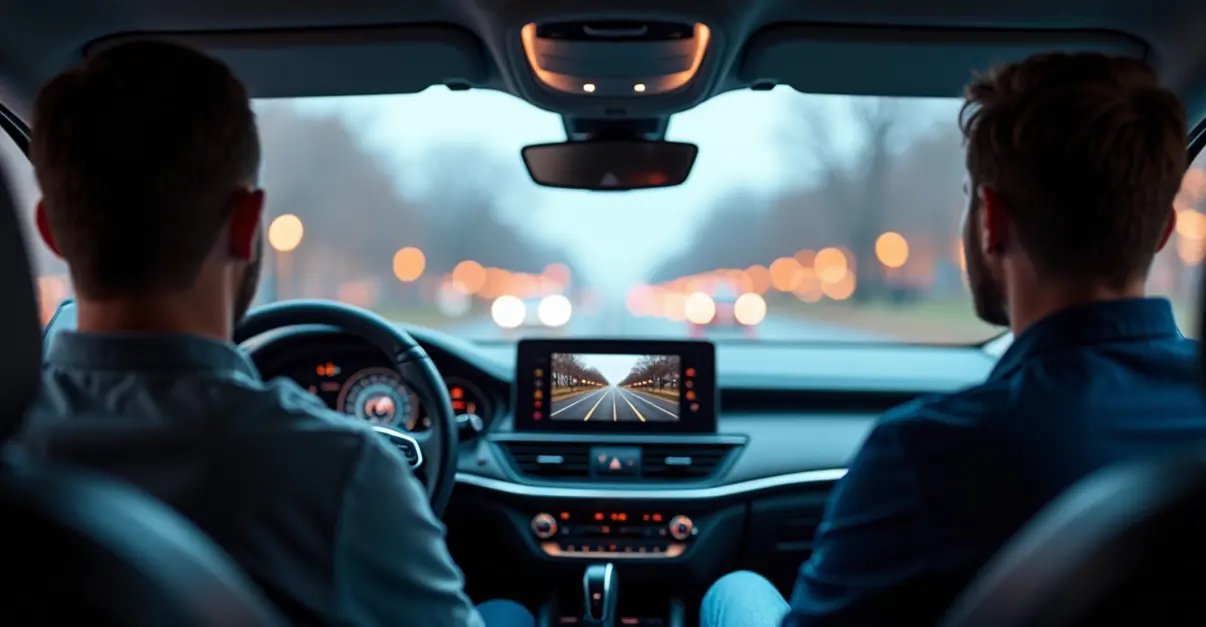
- Forward Collision Warning: Alerts drivers when vehicles ahead suddenly brake
- Intersection Movement Assist: Warns of potential collisions at intersections
- Emergency Electronic Brake Lights: Notifies following vehicles when a car ahead brakes hard
- Blind Spot Warning: Detects vehicles in blind spots during lane changes
Regulatory Landscape and Implementation
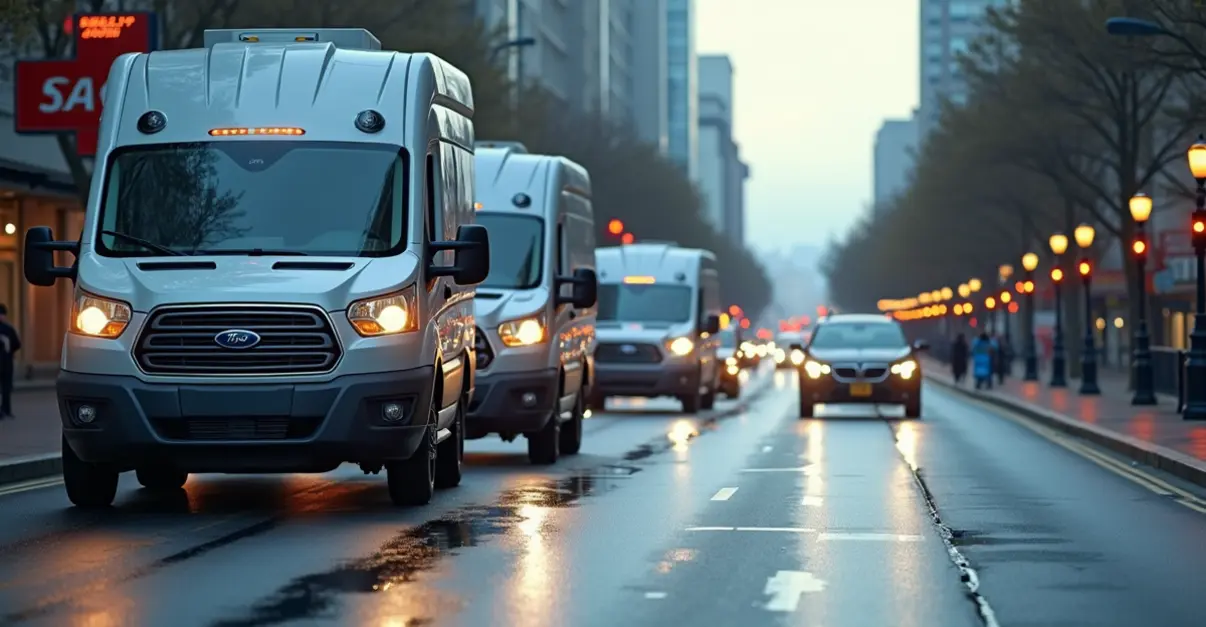
The National Highway Traffic Safety Administration (NHTSA) has been pushing for V2V technology implementation for years. While a formal mandate has faced delays, major automakers including General Motors, Ford, and Toyota have been integrating the technology into their vehicles.
"We're seeing rapid adoption in the commercial vehicle sector first," notes Michael Rodriguez, automotive technology analyst. "Fleet operators recognize the immediate safety benefits and cost savings from reduced accidents."
Challenges and Future Outlook
Despite the clear safety benefits, V2V implementation faces challenges including cybersecurity concerns, infrastructure requirements, and the need for widespread adoption to achieve maximum effectiveness. The technology works best when most vehicles on the road are equipped with compatible systems.
The automotive industry is also exploring cellular vehicle-to-everything (C-V2X) technology as an alternative to DSRC, which could provide broader connectivity options and integration with 5G networks.
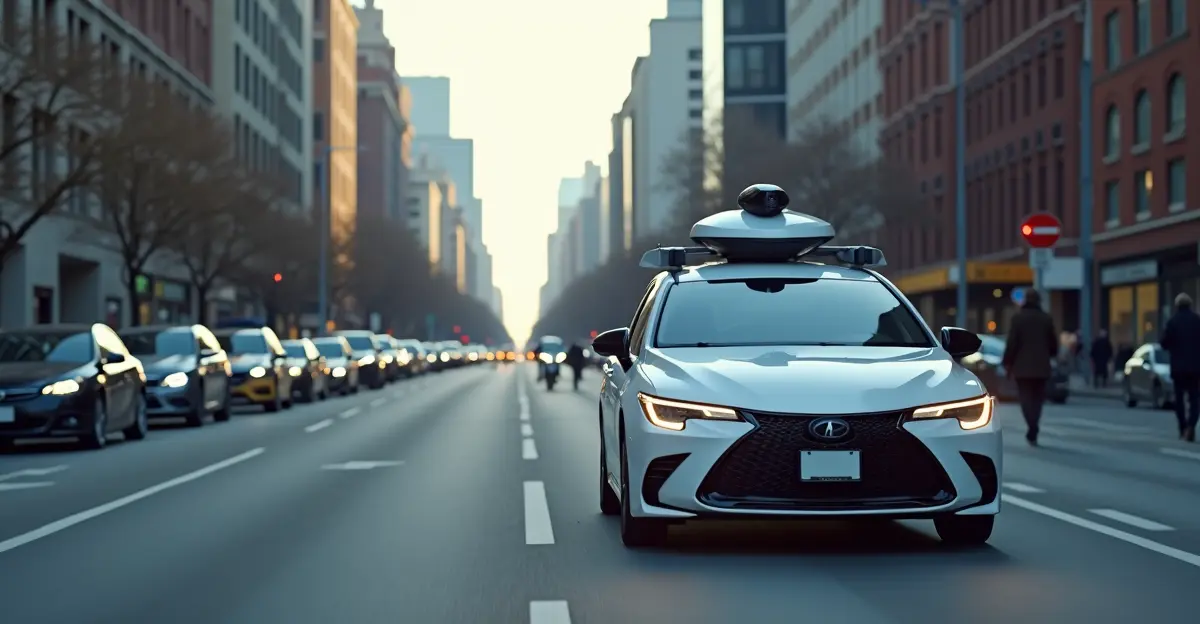
As V2V technology continues to evolve, experts predict it will play a crucial role in the transition to fully autonomous vehicles, serving as an additional layer of safety and redundancy for self-driving systems.

Follow Discussion