


 Deutsch
 English
 Español
 Français
 Nederlands
 Português


 Share
Share




The Rise of AI-Powered Healthcare
Imagine having a personal doctor available 24/7 at your fingertips. That's now reality as AI-powered diagnostic tools and virtual clinics transform healthcare. In 2025, these technologies are moving beyond administrative tasks to become frontline diagnostic assistants.
How AI Diagnostics Work
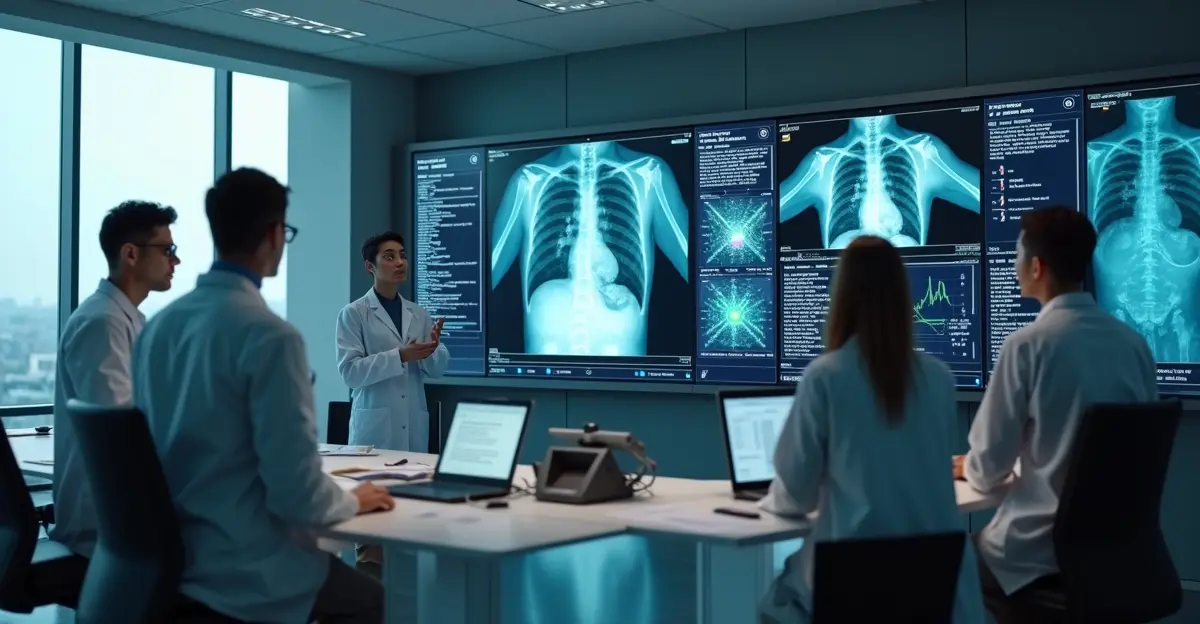
Advanced algorithms analyze medical images, lab results, and patient histories with superhuman precision. Systems like Digital Diagnostics use deep learning to spot early signs of diseases from diabetic retinopathy to cancer - often before symptoms appear. As Mark Daly, CTO of Digital Diagnostics explains: "AI isn't replacing doctors; it's enhancing their judgment and freeing up time for more direct patient care."
Virtual Clinics Go Mainstream
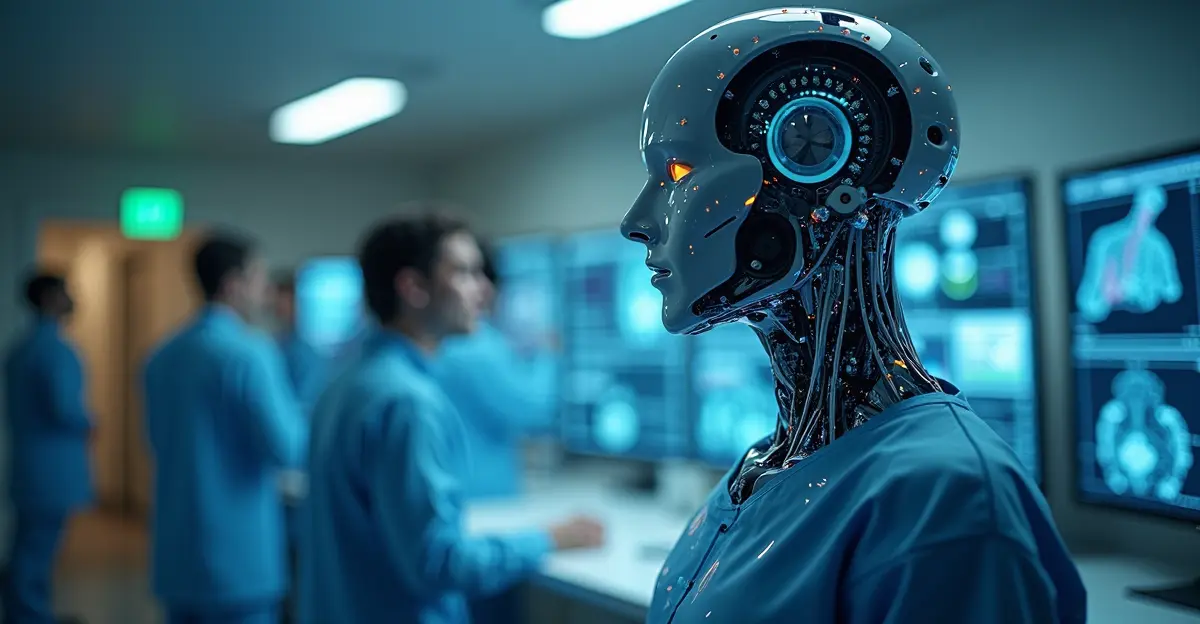
Telehealth has evolved into full virtual clinics where AI handles initial assessments. Patients describe symptoms to chatbots that prioritize urgency and route cases to human doctors. The U.S. government extended telehealth coverage through September 2025, accelerating adoption especially in rural areas. Deloitte's 2025 Global Healthcare Outlook confirms virtual health is now integral to patient care.
Benefits and Challenges
Advantages include reduced wait times and democratized access. A recent MIT study found AI can diagnose some conditions faster than humans. But challenges remain: algorithmic bias, data privacy concerns, and occasional errors triggered by input typos. Regulatory frameworks are still catching up to ensure safety across diverse populations.
The Future of Healthcare
As systems improve, expect AI doctors to predict health risks using genetic and lifestyle data. The goal? Proactive rather than reactive medicine. With 57% of patients welcoming AI if it means more doctor face-time according to recent surveys, this tech-human partnership is reshaping healthcare's future.




Follow Discussion