


 Deutsch
 English
 Español
 Français
 Nederlands
 Português


 Share
Share




The Blurring Line Between Biology and Technology
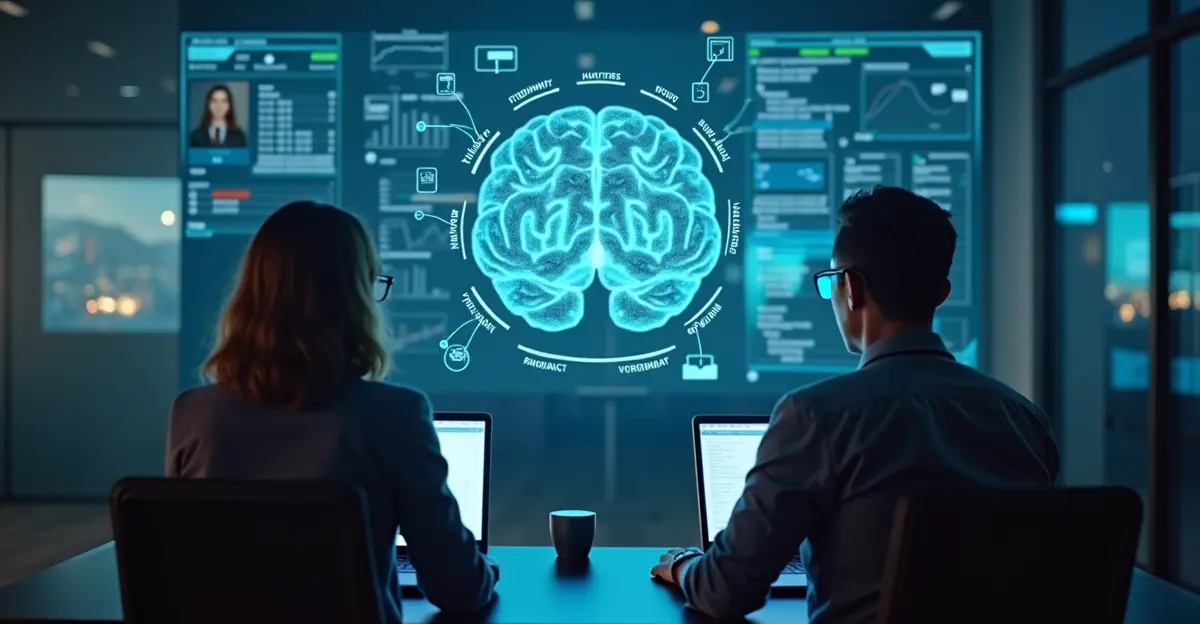
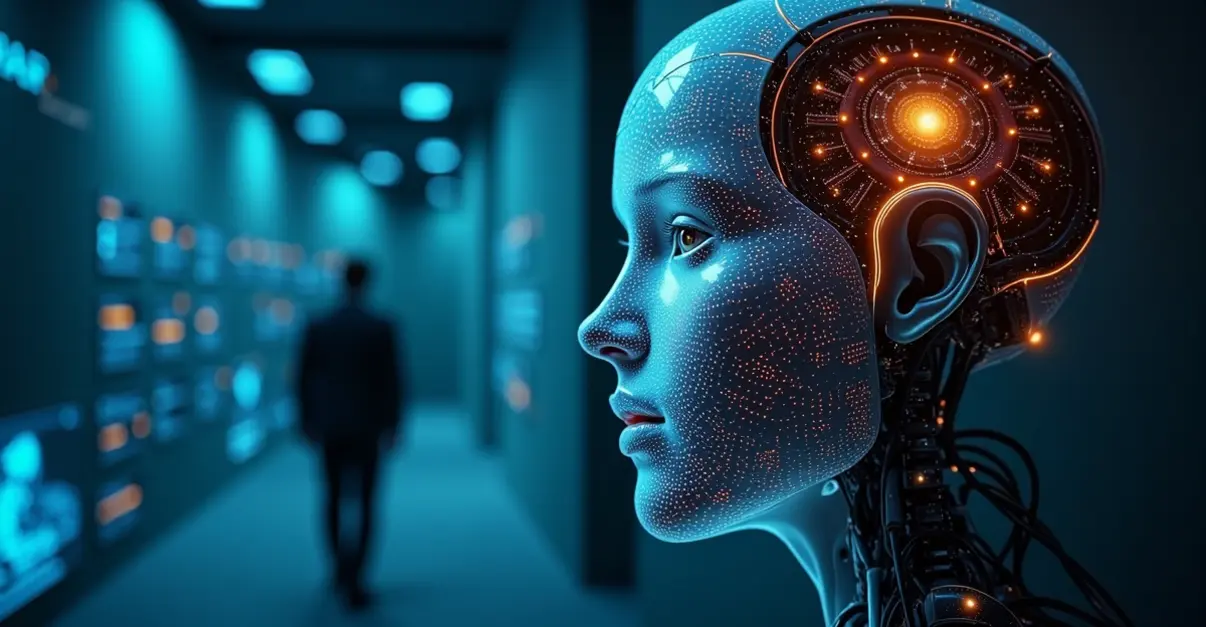
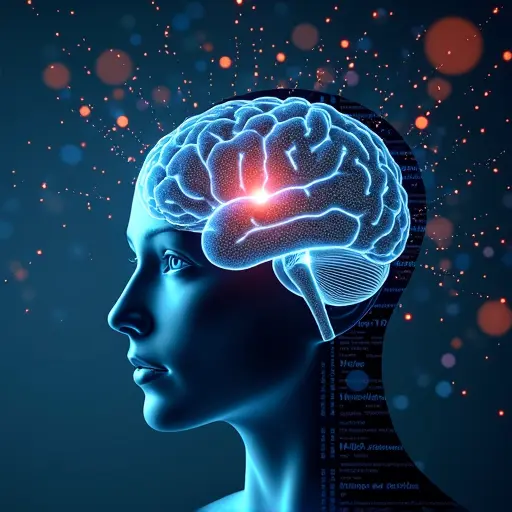
As artificial intelligence evolves at breakneck speed, scientists are exploring a provocative question: Could humans someday interbreed with AI? While this doesn't mean traditional biological reproduction, researchers speculate about deep biological integration where humans and synthetic intelligence merge at cellular and cognitive levels.
Current Foundations
Today's human enhancement technologies include neural implants like Neuralink's brain-computer interfaces and CRISPR gene editing. According to Wikipedia, emerging fields like 3D bioprinting and nanomedicine could enable direct AI-biological fusion. At ICLR 2025, workshops on "Bidirectional Human-AI Alignment" are exploring how AI systems might adapt to human physiology.
The Path to Hybrid Intelligence
Researchers envision several integration pathways:
- Neural Lace Technology: Mesh electronics integrating with brain tissue
- Genetic AI Carriers: Synthetic DNA storing AI algorithms in cells
- Cognitive Merging: Shared thought processes through brain-cloud interfaces
Real-World Progress
Recent experiments show promising results. At MIT, bioengineers have created living neural networks that learn like silicon AI. Meanwhile, DeepMind's AlphaFold 3 can now design proteins that facilitate human-cell integration with nanoelectronics.
Ethical Firestorms
The UNESCO Global Forum on AI Ethics (June 2025) will address critical concerns:
- Would AI-human hybrids have legal personhood?
- How to prevent biological inequality between enhanced and non-enhanced humans
- The risk of consciousness fragmentation in merged entities
Dr. Lena Petrova, bioethicist at Oxford, warns: "We're playing with evolutionary boundaries without understanding the consequences."
The Road Ahead
While full biological merger remains speculative, research is accelerating. The EU's Human-AI Integration Project has secured €2 billion funding through 2030. As neural implant trials expand, we may see the first prototype human-AI hybrids within this decade - challenging everything we know about life, intelligence, and what it means to be human.


Follow Discussion