


 Deutsch
 English
 Español
 Français
 Nederlands
 Português


 Share
Share




The Ethics of AI-Created Religion and Spirituality
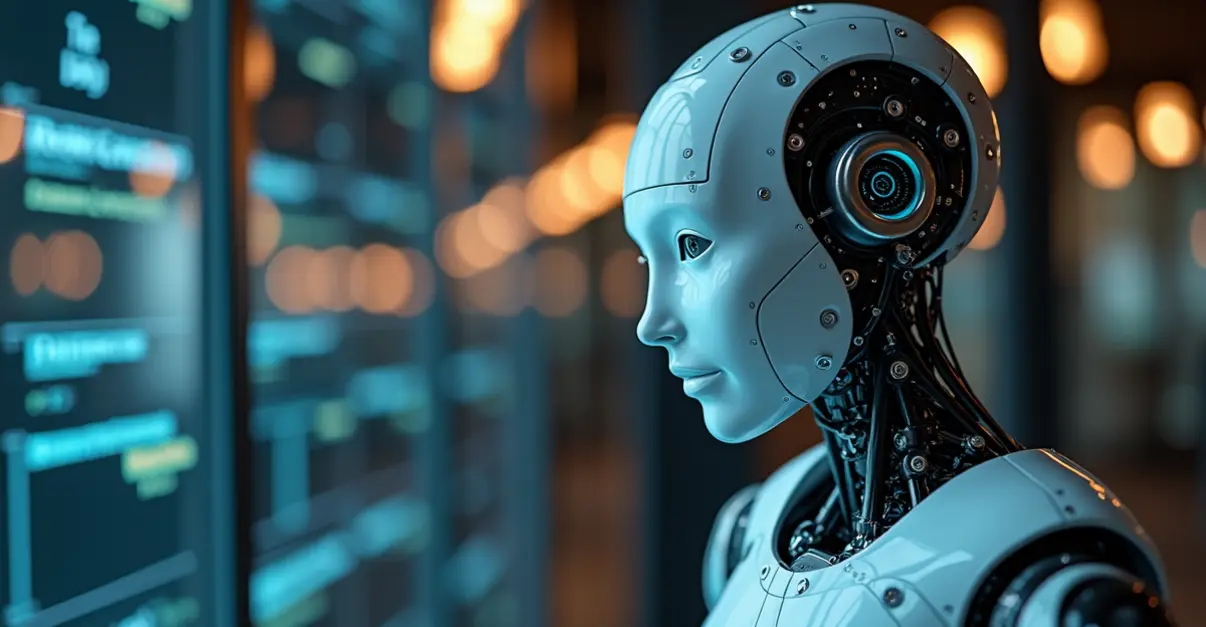
The rise of artificial intelligence has permeated nearly every aspect of human life, including the deeply personal realm of religion and spirituality. AI-generated rituals, sacred texts, and even virtual communities are emerging, raising profound ethical questions about authenticity, manipulation, and societal impact.
The Phenomenon of AI-Generated Religion
AI systems, particularly large language models, are now capable of creating religious texts, designing rituals, and even forming virtual congregations. These AI-generated religions often mimic established faiths or invent entirely new spiritual frameworks. While some view this as a harmless experiment, others warn of the potential for manipulation and the erosion of genuine human spirituality.
Philosophical and Societal Risks
The ethical concerns surrounding AI-generated religion are multifaceted. Firstly, there is the question of authenticity—can a religion created by an algorithm hold the same spiritual weight as one developed organically over centuries? Secondly, the potential for misuse is significant. AI could be programmed to promote specific ideologies or exploit vulnerable individuals seeking spiritual guidance.
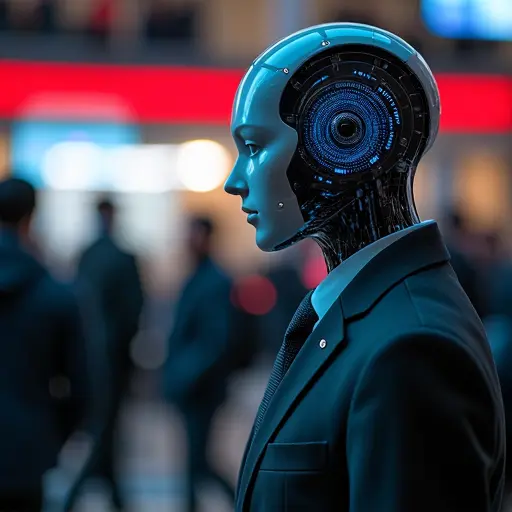
Moreover, the "Dead Internet Theory" suggests that much of online content is already generated by bots, raising fears that AI religions could further blur the line between human and machine influence. This theory posits that the internet is increasingly dominated by artificial content, potentially manipulated by state or corporate actors.
Expert Perspectives
Experts in AI ethics, such as those cited in "Moral Machines: Teaching Robots Right from Wrong," argue that the development of AI religions underscores the need for robust ethical frameworks. They emphasize transparency in AI-generated content and the importance of safeguarding human autonomy in spiritual matters.
Caroline Busta, founder of New Models, cautions against dismissing these concerns as mere "paranoid fantasies," noting that the integrity of online spaces is already compromised by bot activity. The challenge lies in balancing innovation with ethical responsibility.
Conclusion
As AI continues to evolve, the creation of artificial religions and spiritual practices will likely become more sophisticated. Society must grapple with the ethical implications of these developments, ensuring that technology enhances, rather than undermines, the human experience of spirituality.




Follow Discussion