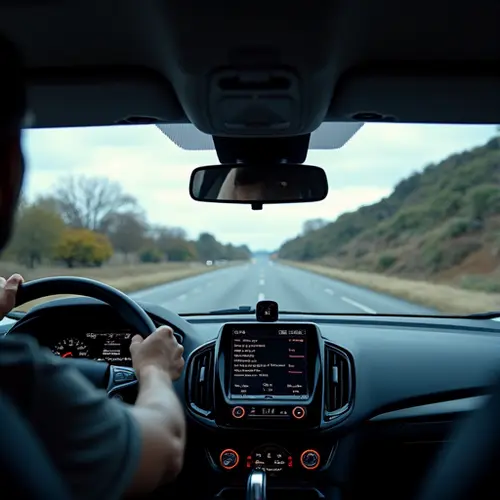
The Future of Car Insurance with AI: Risk Pricing, Black Boxes, and Telematics

AI is transforming car insurance through risk pricing, black boxes, and telematics. While these innovations promise fairer premiums, concerns about bias and privacy persist. Regulatory oversight is crucial to ensure equitable outcomes.

The Future of Car Insurance with AI: Risk Pricing, Black Boxes, and Telematics
Facebook X LinkedIn Bluesky WhatsApp
de flag en flag es flag fr flag nl flag pt flag

The Future of Car Insurance with AI

Artificial Intelligence (AI) is revolutionizing the car insurance industry, particularly in risk pricing, black boxes, and telematics. These technologies promise more personalized and fairer premiums, but they also raise concerns about transparency and discrimination.

Risk Pricing and AI

Traditionally, car insurance premiums have been calculated using factors like age, driving history, and location. AI now enables insurers to analyze vast datasets, including real-time driving behavior, to assess risk more accurately. However, critics argue that AI-driven pricing could perpetuate biases, especially if historical data reflects systemic inequalities.

Black Boxes and Telematics

Black boxes, or telematics devices, collect data on driving habits such as speed, braking, and acceleration. This information helps insurers tailor premiums to individual driving styles. While this can reward safe drivers with lower rates, it also raises privacy concerns. Some drivers worry about constant surveillance and the potential misuse of their data.

The Ethical Dilemma

The integration of AI in car insurance is not without controversy. A 2025 report by the Rochester Beacon highlighted how AI could exacerbate existing disparities, particularly for low-income and minority drivers. For instance, ZIP code-based pricing, often influenced by AI algorithms, has been criticized for unfairly penalizing certain communities.

As the industry evolves, regulators and insurers must balance innovation with fairness. Transparency in AI algorithms and stricter oversight are essential to ensure that these technologies benefit all drivers equally.


Related

AI Dashcams: Revolutionizing Insurance and Driving Habits
Ai
AI relevance 94.4%

AI Dashcams: Revolutionizing Insurance and Driving Habits

AI dashcams are reshaping driving habits and insurance claims by providing real-time safety insights and reducing...

Can AI Make Bureaucracy Efficient? Real-World Deployments in 2025
Ai
AI relevance 88.9%

Can AI Make Bureaucracy Efficient? Real-World Deployments in 2025

Generative AI is transforming government operations in 2025, from automating benefits to improving emergency...

The Promise and Peril of AI in Prisons: Monitoring and Parole Risk Scoring
Ai
AI relevance 83.3%

The Promise and Peril of AI in Prisons: Monitoring and Parole Risk Scoring

AI is transforming prisons through behavior monitoring and parole risk scoring, but concerns about bias and fairness...

AI Revolutionizes Financial Compliance in 2025
Ai
AI relevance 77.8%

AI Revolutionizes Financial Compliance in 2025

Financial institutions are using AI to automate compliance with global regulations. Major regulators have issued new...

AI Tools in Legal Sentencing Under Review for Fairness and Transparency
Ai
AI relevance 72.2%

AI Tools in Legal Sentencing Under Review for Fairness and Transparency

AI tools used in legal sentencing are under scrutiny for potential biases and lack of transparency. Experts call for...

AI Trading Platforms: Risks in Automated Stock Markets
Ai
AI relevance 66.7%

AI Trading Platforms: Risks in Automated Stock Markets

AI-managed trading dominates stock markets but faces risks including flash crashes, hacking vulnerabilities, and...