


 Deutsch
 English
 Español
 Français
 Nederlands
 Português


 Share
Share




What is Tesla Optimus?
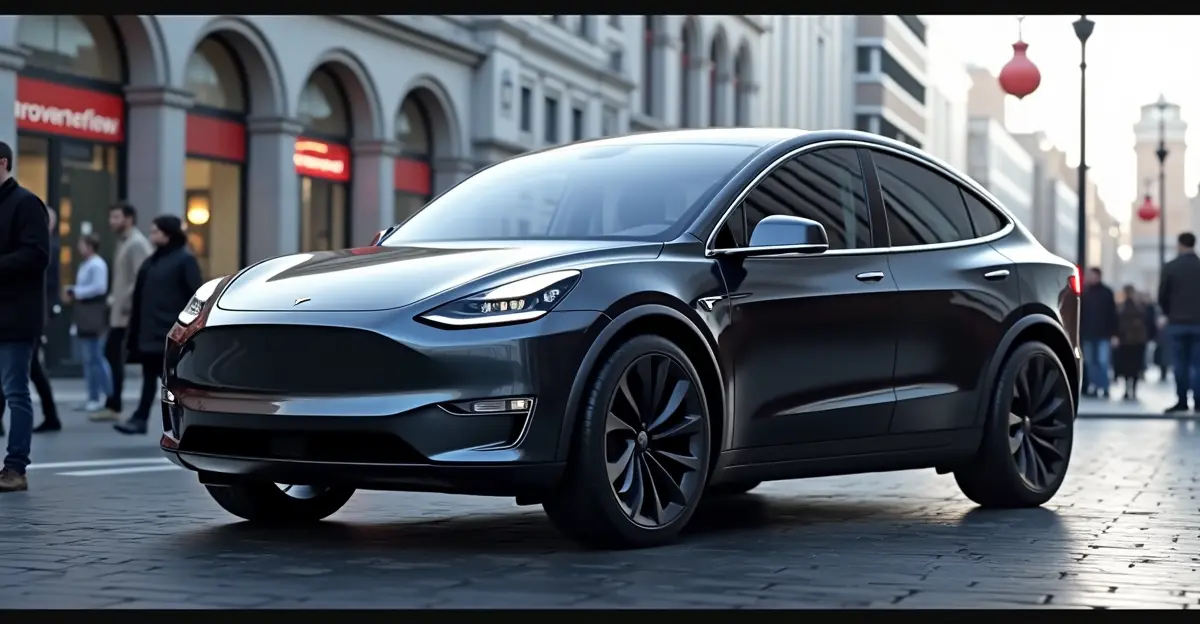
Tesla Optimus represents Elon Musk's ambitious pivot from electric vehicles to humanoid robotics, marking what experts call 'the largest industrial shift since the automobile.' As Tesla officially transitions from its SEXY vehicle lineup to focusing on EY (symbolizing the shift from cars to robots), the company is converting its historic Fremont factory into a dedicated robot production facility. According to robotics expert Bram Vanderborght, professor at Vrije Universiteit Brussel, 'This isn't just a strategic move—it's an alarm bell for the entire robotics industry.'
The Tesla Optimus Timeline: From Concept to Production
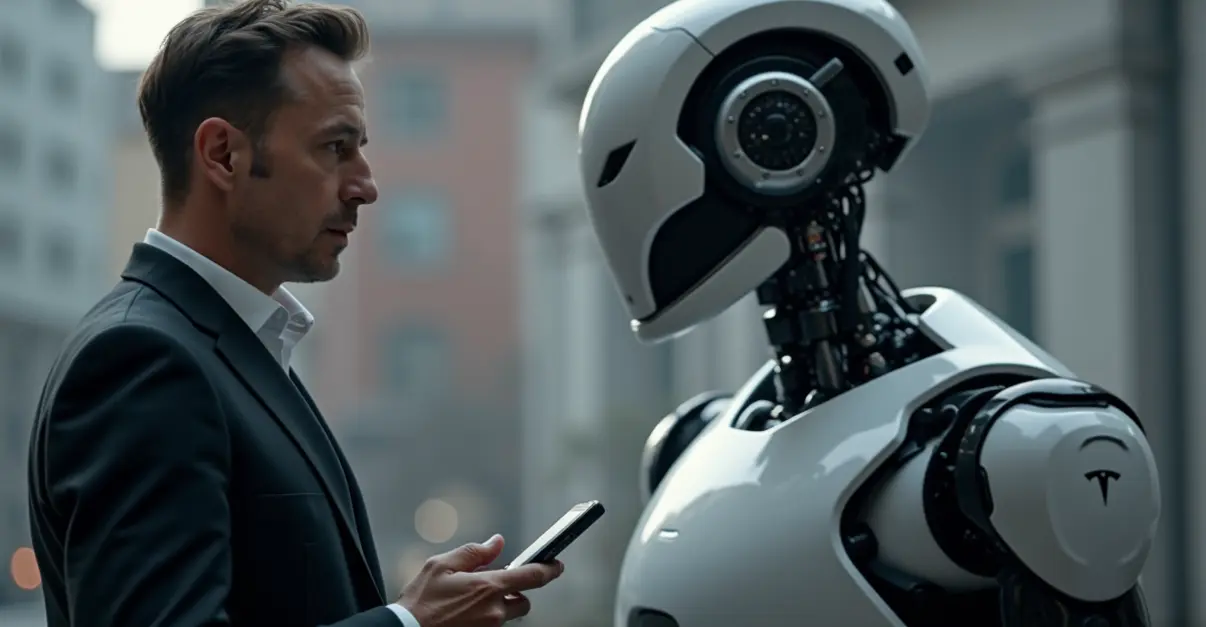
Elon Musk first unveiled the Tesla Bot concept in 2021, featuring a dancer in a lycra suit as a placeholder. Fast forward to 2026, and the Optimus 2.5 generation demonstrates remarkable capabilities including autonomous walking, kung fu movements, and self-charging functionality. The upcoming Optimus V3, expected in early 2026, promises to be so realistic that 'you'll need to touch it to believe it's not human,' according to Musk.
Key Production Milestones
- 2021: Initial Tesla Bot concept reveal
- 2024: Optimus Gen 2 with 11-degree-of-freedom hands
- 2025: Optimus 2.5 with advanced mobility and factory testing
- Early 2026: Optimus V3 production-intent prototype
- 2026 Target: 1 million units production capacity
- 2027: Consumer sales projected to begin
Why Tesla is Betting Everything on Humanoid Robots
Musk has stated that 80% of Tesla's future value will come from Optimus robots, with analysts at Morgan Stanley projecting a market exceeding 1 billion humanoids by 2050. The strategic advantages driving Tesla's pivot include:
1. Vertical Integration Advantage
Tesla's expertise in battery technology, motor design, AI data centers, and chip manufacturing provides a unique foundation for robot development. Unlike competitors who must source components externally, Tesla controls its entire supply chain—a critical advantage in the AI hardware manufacturing space.
2. Data Collection at Scale
With Optimus robots already testing in Tesla's own factories for logistics and repetitive tasks, the company is building an unprecedented dataset. 'Every robot doing something dumb today makes tomorrow's dataset better,' explains Professor Vanderborght, drawing parallels to Tesla's autonomous driving strategy.
3. Manufacturing DNA
Tesla's experience with mass production of vehicles, rockets, and Starlink satellites gives it a crucial edge in scaling robot production. The company aims to reduce costs from current estimates of $400,000 per unit (similar to early Japanese humanoids) to Musk's target of $20,000-$30,000.
The Chinese Challenge: Why Tesla Faces Fierce Competition
While Tesla makes bold claims, China has already established market dominance with nearly 90% of all humanoid robots sold globally in 2025 being Chinese. Key competitors include:
| Company | Country | 2025 Sales | Price Point | Key Advantage |
|---|---|---|---|---|
| Unitree | China | 5,500 units | €16,000 | Mass production scale |
| Agibot | China | 5,168 units | Not disclosed | Government support |
| Tesla Optimus | USA | ~150 units | $20k-$30k target | AI and software integration |
| Figure AI | USA | ~150 units | Not disclosed | BMW partnership |
China's advantages are structural: control over critical metals like neodymium for motors, massive engineering talent pools (BYD alone has 110,000 R&D engineers), and government-backed investment funds totaling 1 trillion yuan ($138 billion) for emerging technologies.
Market Impact and Future Projections
The global humanoid robot market is projected to grow from $3.93 billion in 2026 to $17.80 billion by 2031, representing a 35.26% compound annual growth rate. Asia-Pacific leads with a 53.2% growth rate, driven by national 'Humanoid 2025' investment programs. However, Tesla faces significant production challenges—Musk's 2025 target of 5,000 Optimus units has resulted in only 'several hundred' produced, putting pressure on his ambitious goal of 1 million units annually within a decade.
Frequently Asked Questions
When will Tesla Optimus be available for purchase?
Consumer sales are projected to begin in 2027, with production-intent prototypes expected in early 2026 and internal factory use expanding throughout 2026.
How much will Tesla Optimus cost?
Elon Musk targets a price of $20,000-$30,000, though current manufacturing costs remain significantly higher. This compares favorably to Chinese competitors like Unitree at €16,000 ($17,300).
What can Optimus robots actually do?
Current capabilities include autonomous walking, basic object manipulation, factory logistics tasks, and learning through repetition. Future applications target warehouse automation, elderly care, and dangerous industrial work.
Why is China leading in humanoid robotics?
China benefits from government support, mature supply chains, massive engineering talent, control over critical materials, and aggressive investment in AI and robotics infrastructure.
What does this mean for European robotics?
As Professor Vanderborght warns, 'If the robot revolution plays out between Silicon Valley and Chinese cities, Europe risks missing another industrial wave.' The shift requires urgent investment in both design and manufacturing capabilities.

Follow Discussion