


 Deutsch
 English
 Español
 Français
 Nederlands
 Português


 Share
Share




Tragedy in Eastern Uganda: School Bus Overturns, Killing 20 Pupils
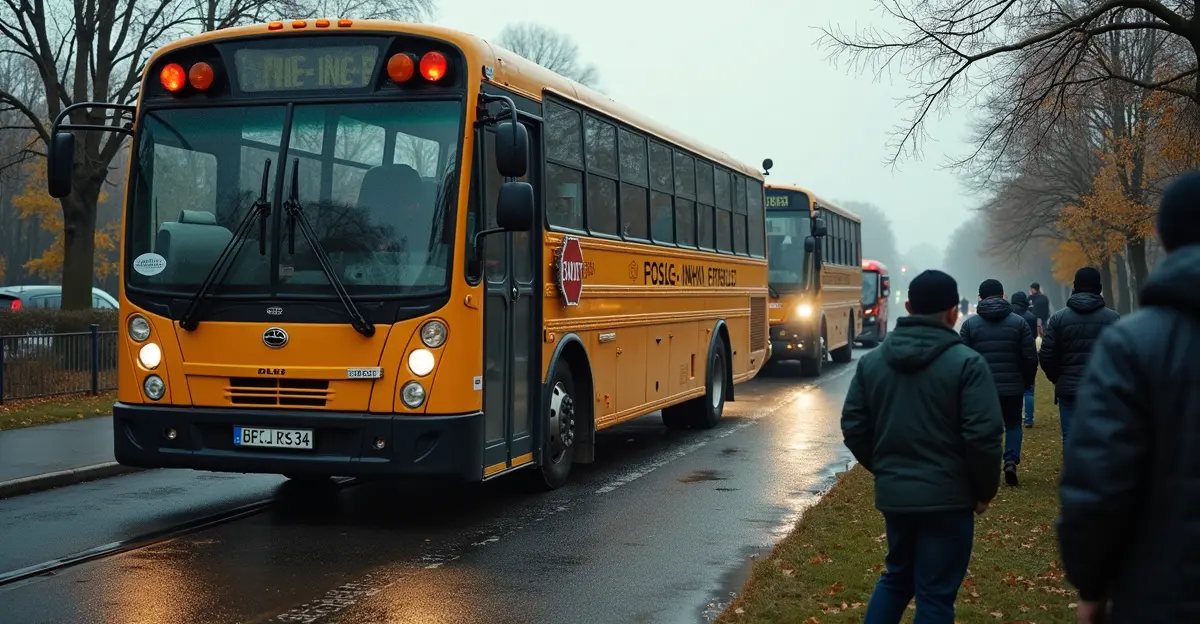
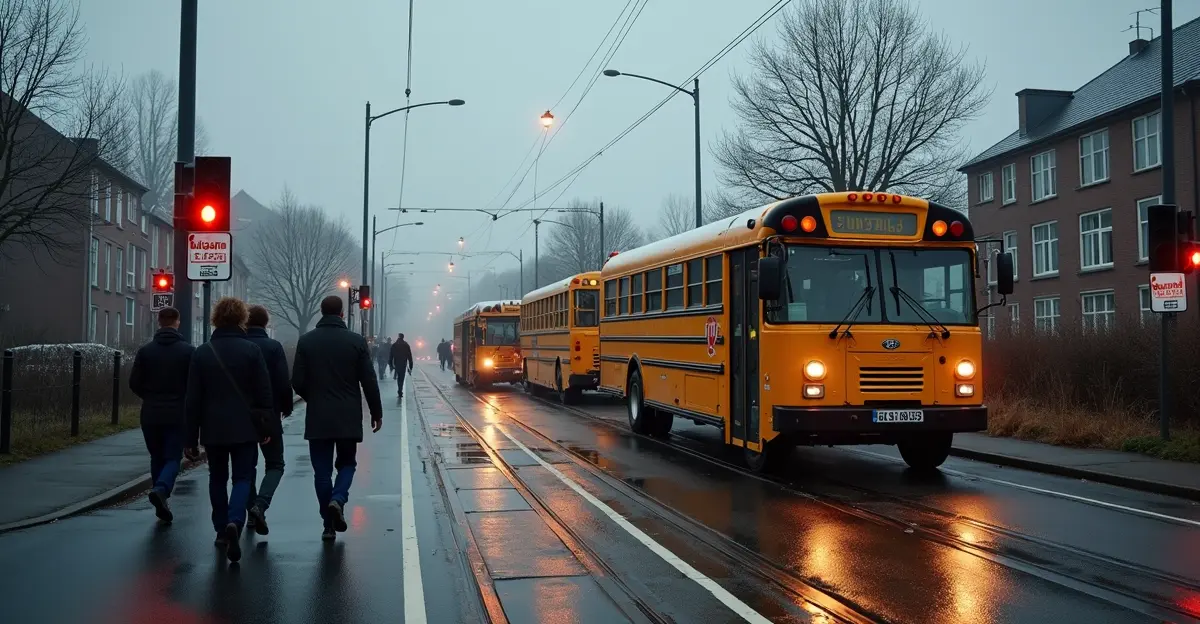
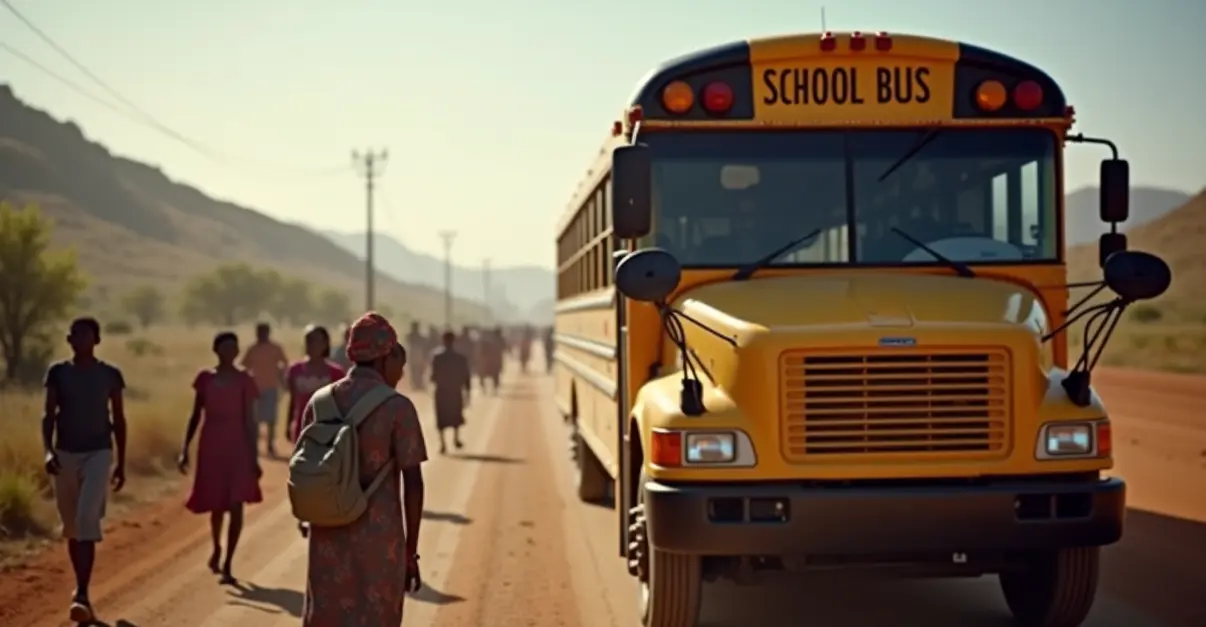
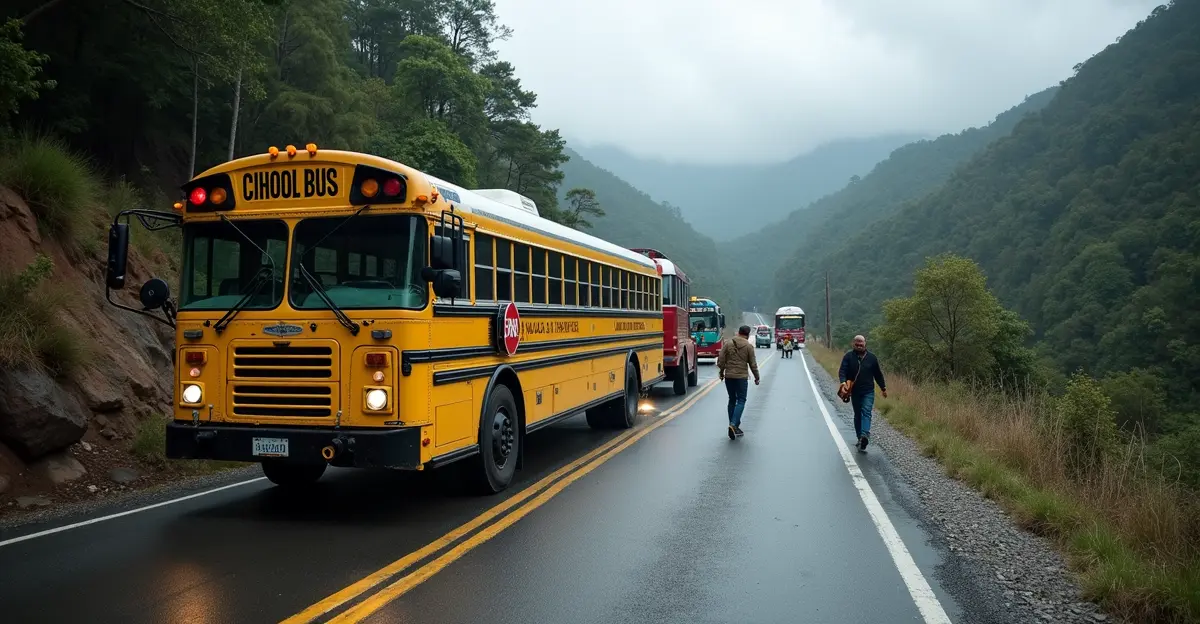
A devastating school bus accident in eastern Uganda has claimed the lives of at least 20 children and one adult, according to the Uganda Police Force. The crash occurred on Thursday evening, July 16, 2026, in Chekwatit Village, Kimawa Parish, Kawowo Sub-county, Kapchorwa District. The bus, an Isuzu model with registration number UA 108BQ, was returning from an educational tour to Sipi Falls when the driver lost control, causing the vehicle to veer off the road, strike a large stone, and overturn. The tragedy has sent shockwaves through the nation and prompted an immediate government ban on all school outings.
What Happened: Details of the Kapchorwa Bus Accident
The bus belonged to King David Junior School in Ndejje, Makindye Division, Kampala. It was carrying 107 of the 217 pupils who had participated in a three-day educational tour to Sipi Falls, a popular tourist destination approximately 300 kilometers from Kampala. Parents had paid 230,000 Ugandan shillings (about $62) for the trip. The deceased adult has been identified as Tadeo Ssekadde, the school's founder and proprietor. Three other adult males and dozens of children sustained injuries; at least 28 children were admitted to various hospitals, with nine reported in critical condition.
Local politician Balaam Barugahara Ateenyi visited the injured and praised local villagers for their swift response. “Their compassion, courage, and tireless efforts in rescuing and caring for the victims have been extraordinary,” he wrote on X (formerly Twitter). Preliminary police investigations indicate that the driver lost control of the vehicle, though the exact cause remains under investigation.
Uganda road safety statisticsGovernment Response: Nationwide Ban on School Tours
In the wake of the crash, Uganda's Acting Minister for Education, Dr. John Chrysostom Muyingo, ordered the immediate two-week closure of King David Junior School and announced a nationwide suspension of all school tours until further notice. The Ministry of Education is reviewing safety measures for school travel, including vehicle inspections, driver qualifications, and trip protocols. The government has also pledged to support the affected families and cover medical costs for the injured.
Impact on the Community
The loss of so many young lives has devastated the school community and the nation at large. King David Junior School, a private primary school, is now at the center of a national conversation about road safety and the regulation of school transportation. Many parents are demanding stricter oversight of school buses and tour operators. The incident has also reignited debates about the safety of educational field trips in Uganda, where road traffic accidents remain a leading cause of death.
school transportation safety regulationsRoad Safety in Uganda: A Persistent Crisis
Uganda has one of the highest road traffic fatality rates in the world. According to the World Health Organization, the African Region has the highest risk of road traffic death, at 26.6 per 100,000 population—nearly three times the global average. In 2024, Uganda recorded 5,144 deaths from 4,434 fatal collisions. The country's roads are often poorly maintained, vehicles are frequently overloaded, and enforcement of traffic laws remains weak. This tragedy follows other major incidents, including a 2025 collision between two buses on the Kampala-Gulu highway that killed 46 people.
Why Do School Bus Accidents Happen So Often in Uganda?
Several factors contribute to the high incidence of school bus accidents in Uganda:
- Poor road infrastructure: Many roads, especially in rural areas like Kapchorwa, are narrow, winding, and lack safety barriers.
- Vehicle condition: Many school buses are old, poorly maintained, and not equipped with seat belts or other safety features.
- Driver fatigue and error: Long distances and inadequate rest can lead to driver fatigue, a common factor in many crashes.
- Overloading: Buses often carry more passengers than they are designed for, exacerbating injury severity in crashes.
- Weak enforcement: Traffic laws are often not strictly enforced, allowing unsafe vehicles and drivers to operate.
What Is Being Done to Prevent Future Tragedies?
The government's ban on school tours is a first step, but long-term solutions require systemic changes. The Ministry of Works and Transport has announced plans to intensify road safety campaigns, increase vehicle inspections, and improve driver training. Civil society organizations are calling for the mandatory installation of seat belts in all school buses, speed governors, and regular vehicle fitness tests. The Uganda Police Force has also vowed to hold negligent operators accountable.
International organizations, including the World Health Organization and the World Bank, have supported Uganda's road safety efforts in the past, but funding and implementation remain challenges. The Kapchorwa crash has underscored the urgent need for comprehensive road safety reforms to protect the country's most vulnerable road users—its children.
Frequently Asked Questions (FAQ)
How many people died in the Uganda school bus crash?
Twenty children and one adult (the school's proprietor, Tadeo Ssekadde) died in the crash. Three adults and dozens of children were injured.
Where did the Uganda school bus accident happen?
The crash occurred in Chekwatit Village, Kimawa Parish, Kawowo Sub-county, Kapchorwa District, in eastern Uganda.
What caused the school bus to crash?
Preliminary police investigations indicate that the driver lost control of the vehicle, causing it to veer off the road, hit a large stone, and overturn. The exact cause is still under investigation.
Has the Ugandan government taken any action after the crash?
Yes, the government suspended all school tours nationwide indefinitely and ordered the two-week closure of King David Junior School. The Ministry of Education is reviewing school travel safety measures.
What is Uganda's road safety record?
Uganda has one of the highest road traffic fatality rates in the world, with 5,144 deaths recorded in 2024. The African Region has a road traffic death rate of 26.6 per 100,000 population, the highest globally.
Follow Discussion