


 Deutsch
 English
 Español
 Français
 Nederlands
 Português


 Share
Share




Deadly Explosion at Qatar's Ras Laffan Gas Terminal
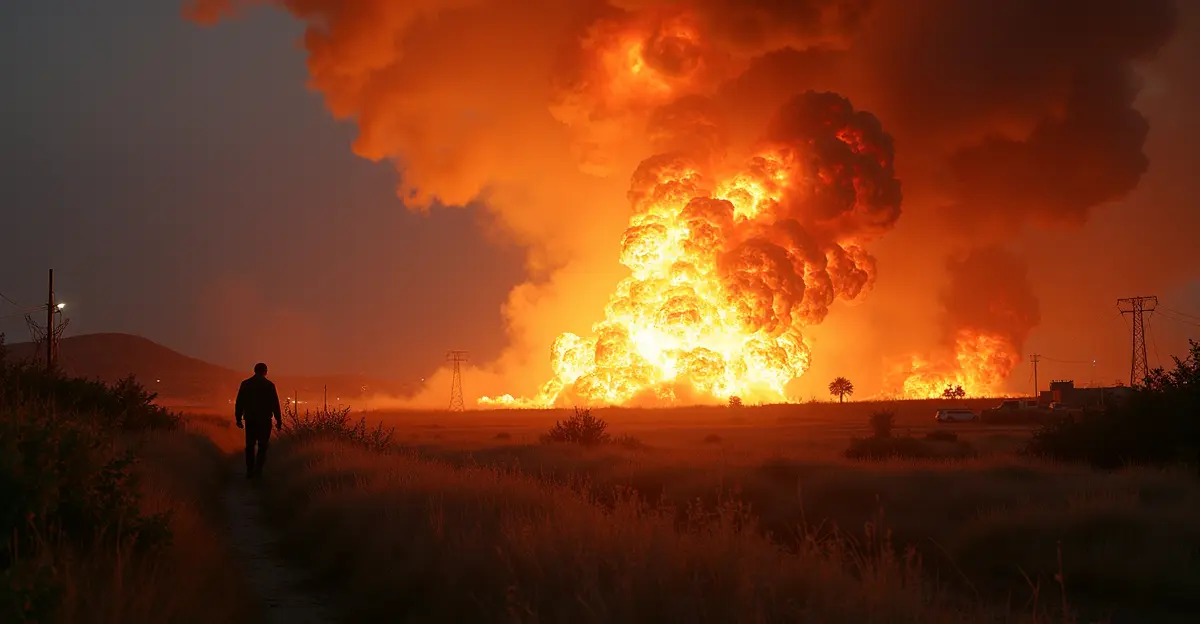
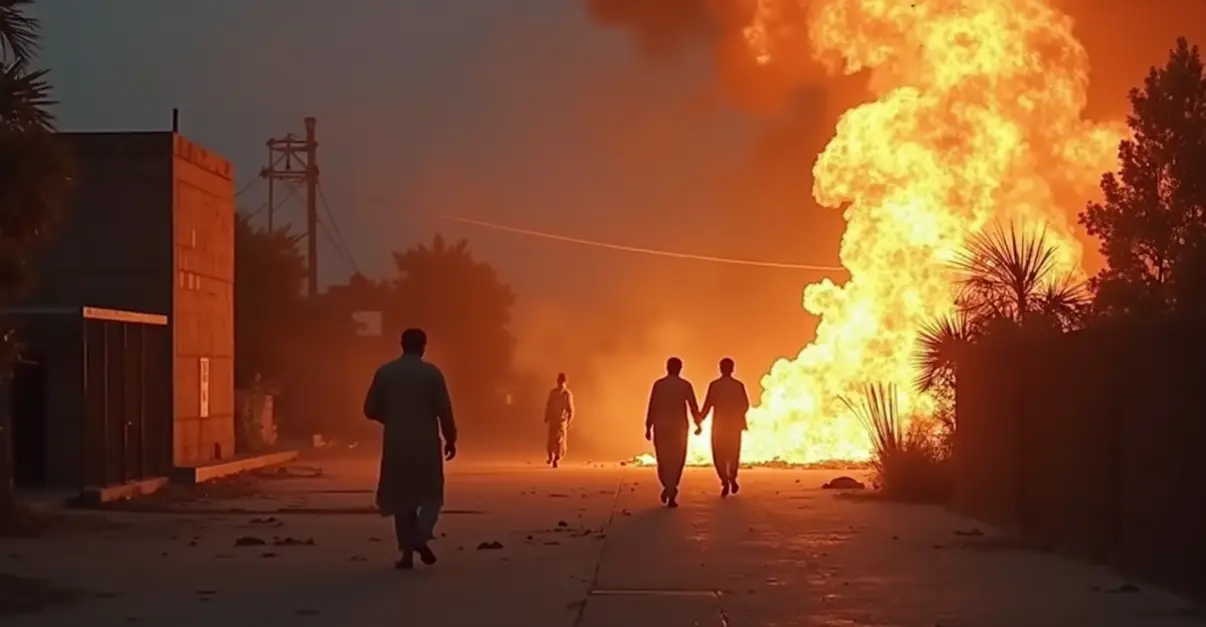
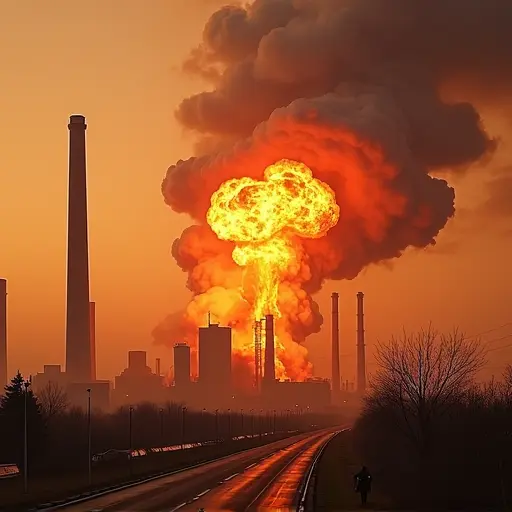
A major explosion at the Barzan gas plant in Qatar's Ras Laffan Industrial City has killed at least 13 people and injured 66 others, according to Qatari Energy Minister Saad Sherida al-Kaabi. The blast occurred on Sunday evening, June 21, 2026, as workers were restarting operations at the facility following a shutdown caused by earlier Iranian missile strikes. The victims include 12 Indian nationals and one Pakistani national, while the injured come from multiple countries including India, Pakistan, Bangladesh, Nepal, Kenya, Tanzania, Guinea, and Nigeria.
Context: A Facility Already Under Strain
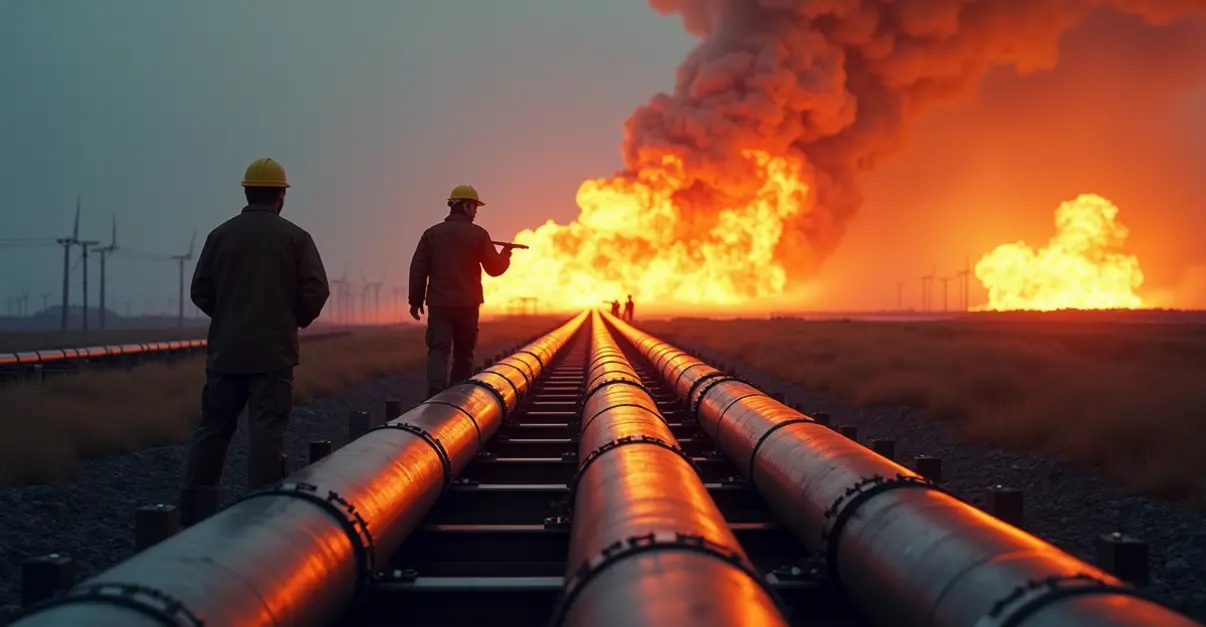
The Barzan plant, commissioned in 2022, supplies pipeline gas to local industries and Qatar's power generation sector, with a capacity of 1.4 billion standard cubic feet per day. The incident occurred during start-up operations—a phase that is statistically high-risk due to pressurization, purging, and instrumentation challenges. The facility had been shut down since March 2026, when Iran launched missile attacks on Ras Laffan as part of the broader 2026 Iran war, causing extensive damage to two LNG trains and a gas-to-liquids facility. The 2026 Iran war's impact on energy infrastructure has been severe, with Qatar's LNG production capacity slashed by approximately 17%.
Official Response: Accident, Not Sabotage
Energy Minister al-Kaabi confirmed that the explosion was a technical accident and ruled out any hostile action or sabotage. "This was an accident and not sabotage or hostile in nature," al-Kaabi stated. The minister emphasized that the incident will not affect Qatar's domestic gas supply or LNG exports, as the Barzan plant primarily serves the domestic market. Authorities have launched a full investigation into the exact cause of the blast. Qatar's Interior Ministry classified the event as a technical accident with no evidence of hostile action or public threat.
Casualty Details and International Response
The Indian Embassy in Doha expressed condolences and is coordinating with Qatari authorities to repatriate the mortal remains. Helpline numbers have been issued for families of affected workers. All 66 injured individuals are in stable condition, with none in life-threatening danger, according to the minister. The explosion was powerful enough to rattle windows across central Doha, more than 70 kilometers away from Ras Laffan.
Global Energy Implications
Ras Laffan Industrial City is one of the world's most significant energy hubs, operating 14 LNG trains capable of producing 77 million metric tons per annum—roughly 19% of global LNG trade. Qatar is the second-largest LNG exporter globally, with major customers including China, India, Pakistan, and European nations. While the Barzan plant's output is not directly tied to LNG exports, the incident highlights the fragility of global energy infrastructure amid geopolitical tensions. The global LNG market's vulnerability to supply disruptions remains a critical concern for energy security. The earlier Iranian attacks in March had already caused Brent crude to surge over 7% to $111 per barrel, and analysts warned of prolonged high energy prices.
Impact on Qatar's Energy Sector
QatarEnergy, the state-owned energy giant, had declared force majeure on March 2, 2026, halting all LNG production after initial strikes. The March 18 attack caused extensive damage to two of the facility's 14 production units, reducing LNG production capacity by 17%. Repair estimates suggest it could take three to five years to fully restore capacity, with revenue losses of approximately $20 billion per year. The Barzan explosion adds further operational challenges, though the minister confirmed no dangerous substances were released and no environmental contamination occurred. Qatar's LNG expansion plans and North Field development remain crucial for future global supply.
Frequently Asked Questions
What caused the explosion at Qatar's Ras Laffan gas terminal?
According to Qatari Energy Minister Saad al-Kaabi, the explosion was caused by a technical accident during start-up operations at the Barzan gas plant. Authorities have ruled out sabotage or hostile action. An official investigation is underway to determine the exact technical malfunction.
How many people were killed and injured in the Qatar gas terminal explosion?
The explosion killed 13 people—12 Indian nationals and one Pakistani national—and injured 66 others. The injured include nationals from India, Pakistan, Bangladesh, Nepal, Kenya, Tanzania, Guinea, and Nigeria. All injured are in stable condition.
Will the explosion affect Qatar's LNG exports?
No. The Barzan plant supplies pipeline gas for domestic use and power generation, not for LNG export. Energy Minister al-Kaabi confirmed that the incident has no impact on Qatar's LNG export capacity or domestic gas supply.
Was the Ras Laffan facility already damaged before the explosion?
Yes. On March 18, 2026, Iran launched missile attacks on Ras Laffan as part of the 2026 Iran war, causing extensive damage to two LNG trains and reducing Qatar's LNG production capacity by 17%. The Barzan plant had been shut down since those strikes and was being restarted when the explosion occurred.
What is the Barzan gas plant?
The Barzan gas plant is a domestic gas supply facility located in Ras Laffan Industrial City, commissioned in 2022. It can deliver 1.4 billion standard cubic feet per day of sales gas to power generation, water desalination plants, and local industries. It also produces ethane, condensate, LPG, and sulfur for local and export markets.
Sources
This article is based on reporting from NOS, Reuters, AP News, BBC News, Al Jazeera, CNBC, and official statements from QatarEnergy and the Qatari Ministry of Energy. Data on LNG capacity from the International Energy Agency and industry analysts.

Follow Discussion