


 Deutsch
 English
 Español
 Français
 Nederlands
 Português


 Share
Share




Breaking: 250+ Rohingya Refugees Missing After Boat Capsizes in Andaman Sea
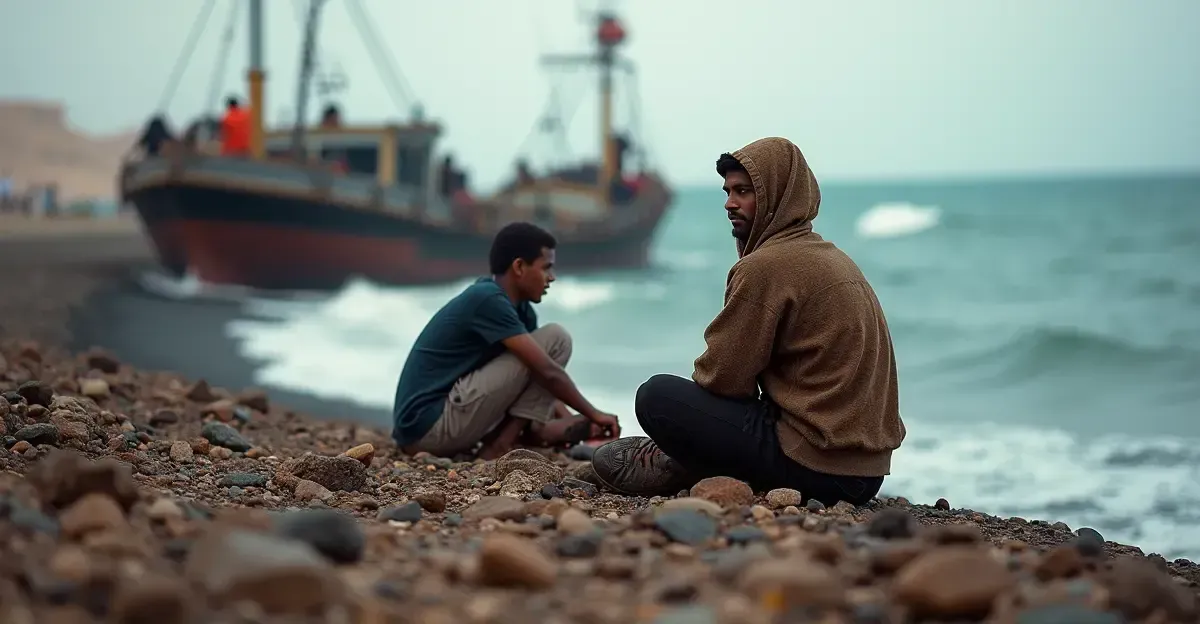
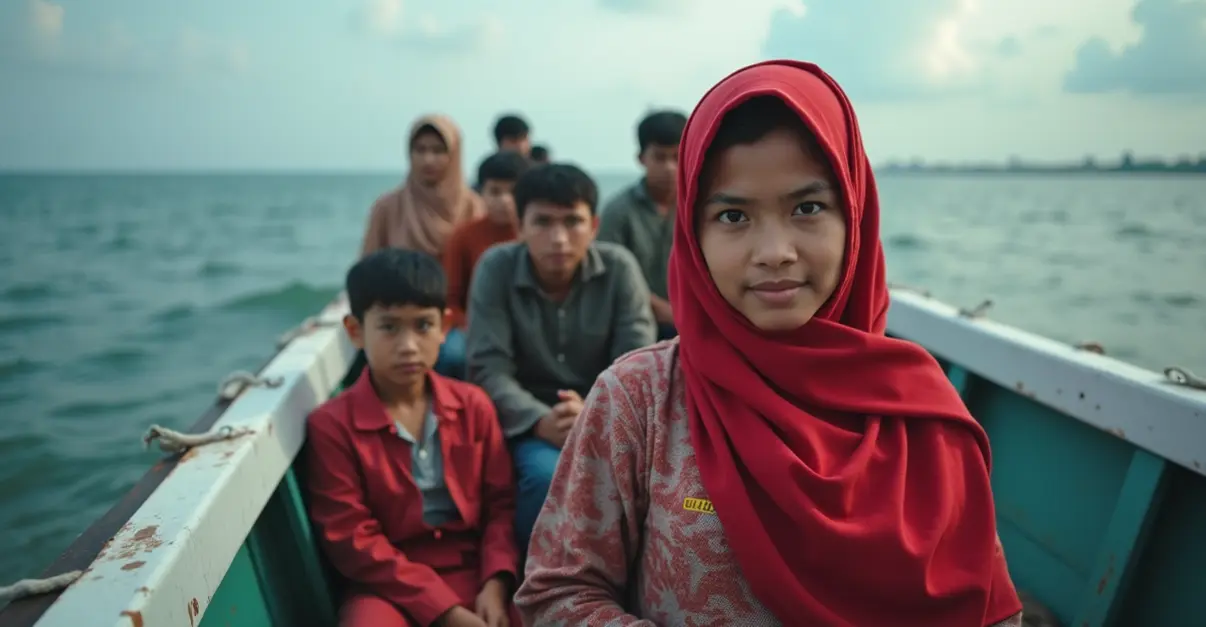
In a devastating maritime tragedy, more than 250 Rohingya refugees and Bangladeshi nationals are missing after their overcrowded boat capsized in the Andaman Sea on April 15, 2026. The vessel, which departed from Teknaf, Bangladesh en route to Malaysia, sank due to heavy winds and rough seas, highlighting the ongoing humanitarian crisis facing one of the world's most persecuted minorities.
What Happened in the Andaman Sea?
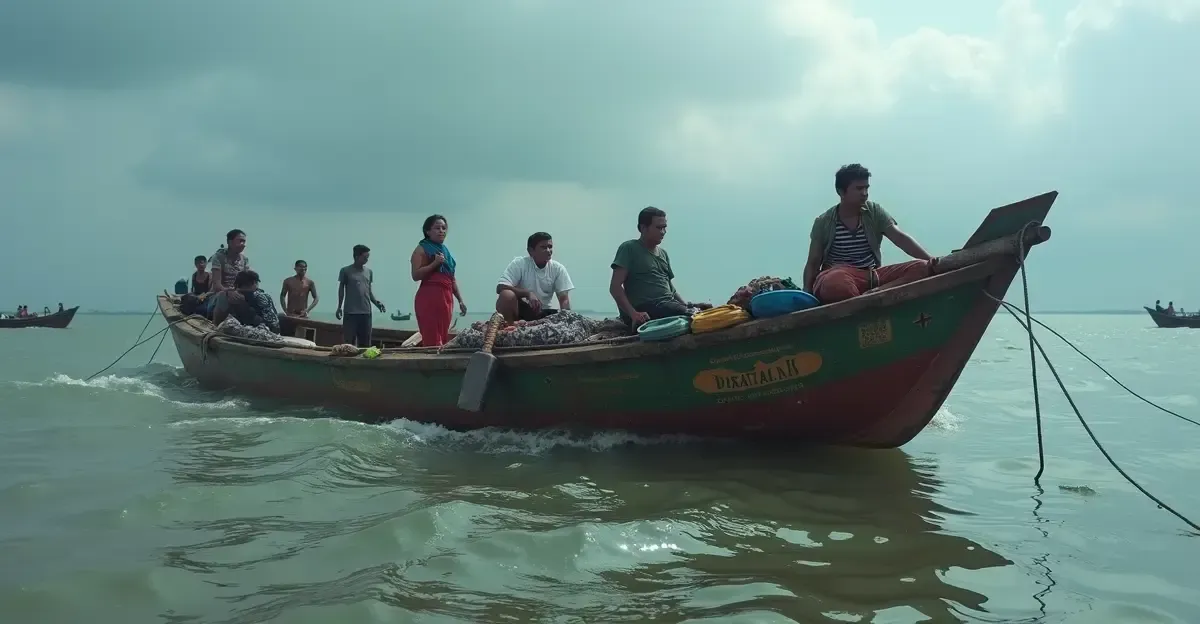
The fishing trawler was carrying approximately 280 people when it capsized in the Andaman Sea, with only nine survivors rescued by the Bangladesh Coast Guard on April 9. According to the United Nations High Commissioner for Refugees (UNHCR) and International Organization for Migration (IOM), the boat was dangerously overcrowded and succumbed to adverse weather conditions during its 2,000-kilometer journey to Malaysia.
'This tragedy highlights the dire consequences of protracted displacement and the urgent need for durable solutions for the Rohingya community,' stated a joint UNHCR-IOM release. Survivors reported horrific conditions aboard, with 25-30 people dying from suffocation in cramped storage compartments before the vessel even capsized.
The Rohingya Crisis: Background and Context
The Rohingya are a stateless Muslim minority from Myanmar's Rakhine State who have faced decades of persecution. Since 2017, over 740,000 Rohingya have fled to neighboring Bangladesh, creating the world's largest refugee settlement in Cox's Bazar. The Myanmar military persecution has been described by UN officials as ethnic cleansing, with the International Court of Justice hearing genocide allegations against Myanmar.
Currently, 1.3 million Rohingya refugees live in Bangladesh, with 88.8% of the total refugee population concentrated in overcrowded camps. The situation has worsened since Myanmar's 2021 military coup, with 3.7 million people now internally displaced within Myanmar and 19.9 million requiring humanitarian assistance.
Why Are Rohingya Risking Dangerous Sea Journeys?
Several factors drive Rohingya refugees to undertake perilous sea voyages:
- Statelessness: Rohingya are denied citizenship under Myanmar's 1982 nationality law
- Camp Conditions: Overcrowded camps in Bangladesh offer limited opportunities
- Violence in Rakhine: Ongoing conflict in Myanmar makes return impossible
- Economic Desperation: Lack of livelihood options in refugee camps
- Family Reunification: Many have relatives already in Malaysia
The Bangladesh refugee camps face chronic underfunding, with humanitarian assistance shrinking despite growing needs. This pushes refugees toward dangerous alternatives, including human trafficking networks that promise jobs in Malaysia.
Search and Rescue Operations
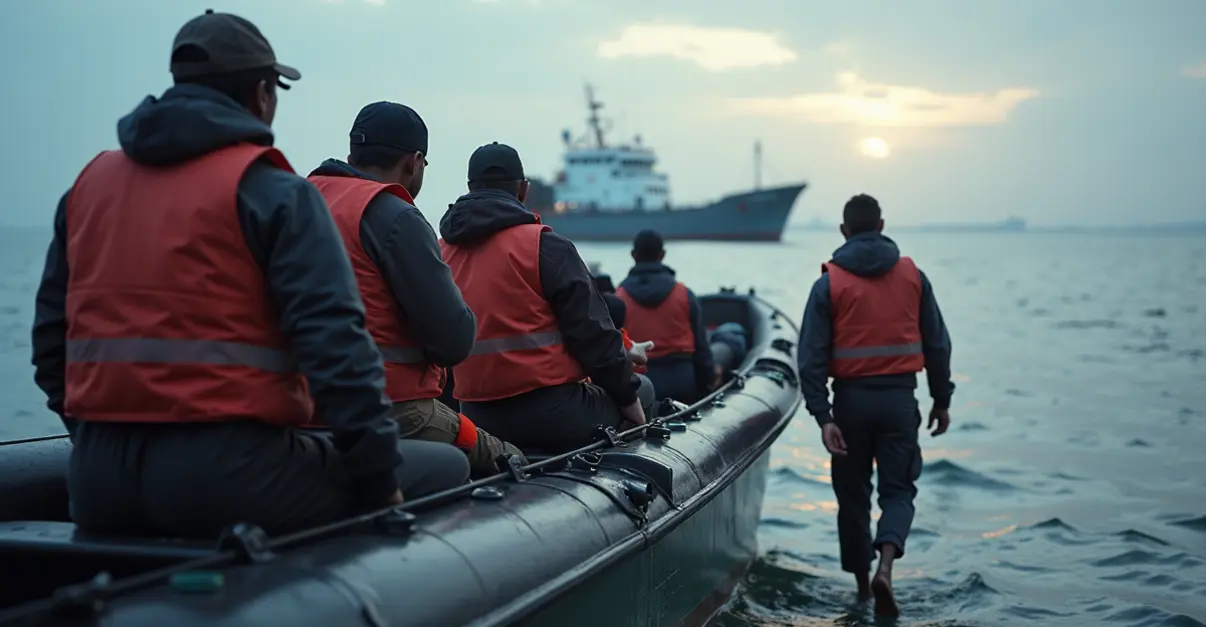
As of April 15, 2026, search operations continue in the Andaman Sea, though hopes are fading for the missing 250+ individuals. The Bangladesh Coast Guard rescued nine survivors who had been clinging to debris for nearly two days. Shockingly, six of those rescued were identified as traffickers who had organized the journey.
The UN agencies have called for enhanced search efforts and better coordination between regional coast guards. 'We urgently need international solidarity and funding to address the root causes of displacement,' emphasized UNHCR spokesperson Charlotte Garcia.
Comparison: Previous Rohingya Boat Tragedies
| Year | Location | Casualties | Cause |
|---|---|---|---|
| 2023 | Bay of Bengal | 180+ missing | Engine failure, starvation |
| 2020 | Andaman Sea | 130+ dead | Dehydration, boat abandonment |
| 2015 | Bay of Bengal | 200+ missing | Trafficker abandonment |
| 2026 (Current) | Andaman Sea | 250+ missing | Overcrowding, rough seas |
International Response and Implications
The tragedy has sparked renewed calls for international action on the Rohingya crisis. UN agencies emphasize that without addressing the root causes in Myanmar and improving conditions in Bangladesh camps, similar tragedies will continue. The ASEAN regional response has been criticized as inadequate, with Malaysia and Indonesia often turning back refugee boats.
Human rights organizations are urging:
- Increased humanitarian funding for Rohingya camps in Bangladesh
- Pressure on Myanmar to grant citizenship rights to Rohingya
- Enhanced regional search and rescue coordination
- Crackdown on human trafficking networks
- Durable solutions including safe, voluntary repatriation
Frequently Asked Questions (FAQ)
How many people are missing in the Andaman Sea boat disaster?
More than 250 Rohingya refugees and Bangladeshi nationals are missing after their boat capsized on April 15, 2026. Only nine survivors have been rescued.
Why do Rohingya refugees risk dangerous sea journeys to Malaysia?
Rohingya risk sea journeys due to statelessness in Myanmar, poor conditions in Bangladesh refugee camps, economic desperation, and family reunification hopes in Muslim-majority Malaysia.
What is being done to prevent future tragedies?
UN agencies call for increased humanitarian funding, pressure on Myanmar, better regional coordination, and crackdowns on trafficking networks to prevent future disasters.
How many Rohingya refugees are there worldwide?
Approximately 1.6 million Myanmar refugees exist globally, with 1.3 million being Rohingya refugees primarily in Bangladesh (88.8% of total).
What is the legal status of Rohingya in Myanmar?
Rohingya are denied citizenship under Myanmar's 1982 nationality law, making them the world's largest stateless population.

Follow Discussion