


 Deutsch
 English
 Español
 Français
 Nederlands
 Português


 Share
Share




Easter Tragedy Explained: Tree Falls on Egg Hunt in Germany, Baby Among 3 Dead
A devastating Easter Sunday tragedy unfolded in northern Germany on April 5, 2026, when a massive 30-meter tree toppled during an Easter egg hunt, killing three people including a 10-month-old baby and injuring several others. The fatal accident occurred near Flensburg, Schleswig-Holstein, as approximately 50 residents and staff from a nearby care facility were participating in what should have been a joyful holiday celebration.
What Happened During the German Easter Egg Hunt Tragedy?
At approximately 11:00 AM local time, strong wind gusts reaching up to 80 km/h (50 mph) caused a mature tree to collapse onto participants during an organized Easter egg hunt in a wooded area near Satrupholm, southeast of Flensburg. The group consisted of residents and caregivers from a state-funded residential facility for new mothers, pregnant women, and children.
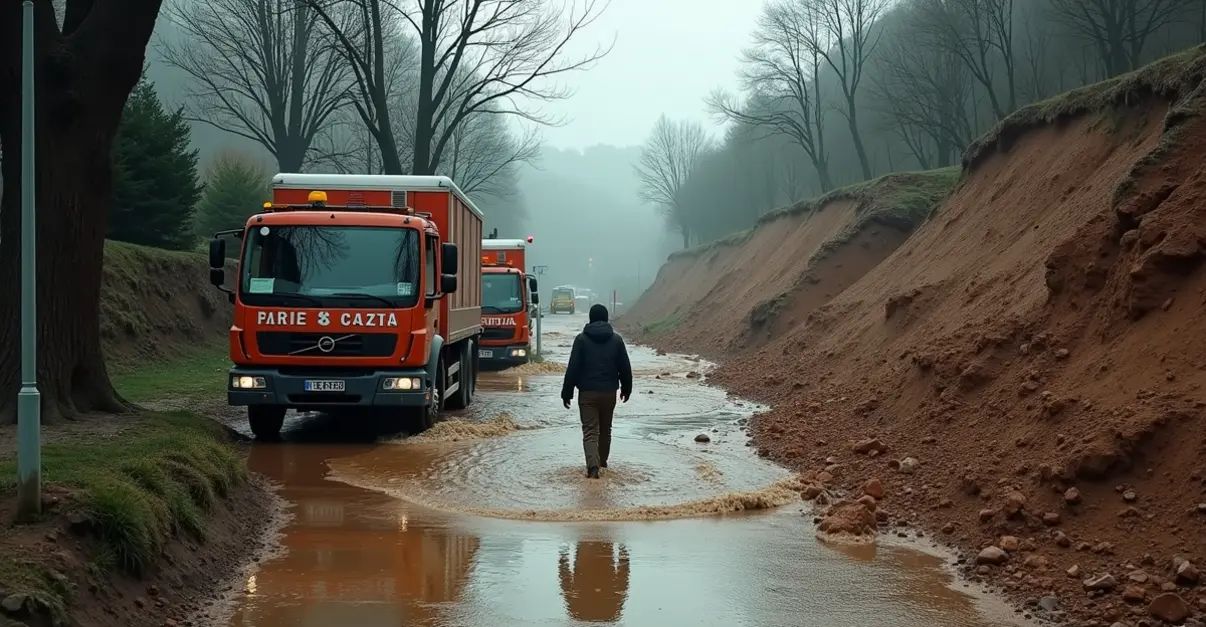
Emergency services responded immediately to the scene, with rescue helicopters airlifting critically injured victims to nearby hospitals. Police officers and firefighters worked desperately to free four people trapped beneath the fallen tree, but the rescue efforts proved tragically insufficient for three victims.
Victims and Casualties: A Family Tragedy
The fatalities included a 16-year-old girl and a 21-year-old woman who died at the scene. The woman's 10-month-old daughter sustained severe injuries and was transported by helicopter to a hospital, where she later succumbed to her wounds. An 18-year-old woman suffered serious injuries and was also airlifted for emergency medical treatment. Other participants sustained minor injuries during the chaotic incident.
"We are deeply shaken by this terrible tragedy," said government officials from the Schleswig-Holstein region, who dispatched grief counselors to support the affected community. The incident has raised urgent questions about outdoor event safety protocols during severe weather conditions.
Weather Conditions and Warning Systems
The German Weather Service (Deutscher Wetterdienst) had issued high wind warnings for northern Germany on Easter Sunday, predicting gusts of 65-80 km/h (40-50 mph) with stronger bursts in exposed areas. These conditions created the perfect storm for tree failures, particularly in forested areas where wind loading can exceed tree strength.
According to meteorological experts, trees are most vulnerable to windthrow during storms when several factors converge:
- Soil saturation from recent rainfall reduces root anchorage
- Strong, sudden gusts create maximum wind loading
- Open-grown trees have different structural characteristics than forest-grown specimens
- Previous damage or disease can weaken tree integrity
Investigation and Forest Management Questions
German authorities have launched a comprehensive investigation into the tragedy, with forest management officials examining whether the tree showed signs of disease, rot, or previous damage. The investigation will also assess whether proper tree inspection protocols were followed in the recreational area.
Forest Research studies indicate that trees acclimate to wind loading during growth, but extreme weather events can overwhelm even healthy specimens. The 30-meter (approximately 100-foot) tree that fell was likely a mature specimen with significant mass, making its collapse particularly devastating.
Safety Recommendations for Outdoor Events
In light of this tragedy, safety experts recommend several precautions for organizers of outdoor gatherings:
- Check Weather Forecasts: Monitor official weather warnings and have contingency plans for severe conditions
- Inspect Venue Thoroughly: Examine trees for signs of disease, dead branches, or structural weaknesses
- Establish Safe Zones: Designate areas away from potential hazards like large trees during high winds
- Have Emergency Plans: Ensure access for emergency vehicles and establish communication protocols
- Consider Alternative Locations: Move events indoors or to more protected areas during weather warnings
Broader Implications for Public Safety
This tragic incident highlights the often-overlooked dangers of severe weather during outdoor events. While Easter egg hunts are traditionally family-friendly activities, this disaster demonstrates how quickly conditions can turn dangerous. Similar incidents have occurred elsewhere, including a fatal tree collapse in Rotterdam during severe weather in 2018.
Climate research suggests that extreme weather events may become more frequent in some regions, potentially increasing risks for outdoor gatherings. The German Easter tragedy serves as a sobering reminder that event organizers must prioritize safety over tradition when weather conditions deteriorate.
Frequently Asked Questions (FAQ)
Where exactly did the Easter tree accident happen?
The tragedy occurred in a wooded area near Satrupholm, southeast of Flensburg in the Schleswig-Holstein region of northern Germany, close to the Danish border.
How many people were affected by the falling tree?
Three people were killed (a 16-year-old girl, 21-year-old woman, and her 10-month-old baby), one 18-year-old was seriously injured, and several others sustained minor injuries from the approximately 50 participants.
What were the weather conditions at the time?
The German Weather Service had issued warnings for wind gusts of 65-80 km/h (40-50 mph), with the strongest bursts reaching up to 80 km/h in exposed areas like the forest where the accident occurred.
Are Easter egg hunts being canceled in Germany?
While no nationwide cancellations have been announced, many communities are reviewing safety protocols and weather contingency plans for outdoor events following this tragedy.
What is being done to prevent similar accidents?
Authorities are investigating forest management practices, reviewing event safety guidelines, and examining whether additional warnings or restrictions should be implemented during severe weather conditions.




Follow Discussion