


 Deutsch
 English
 Español
 Français
 Nederlands
 Português


 Share
Share




Winter Storm Paralyzes Germany with Deadly Consequences
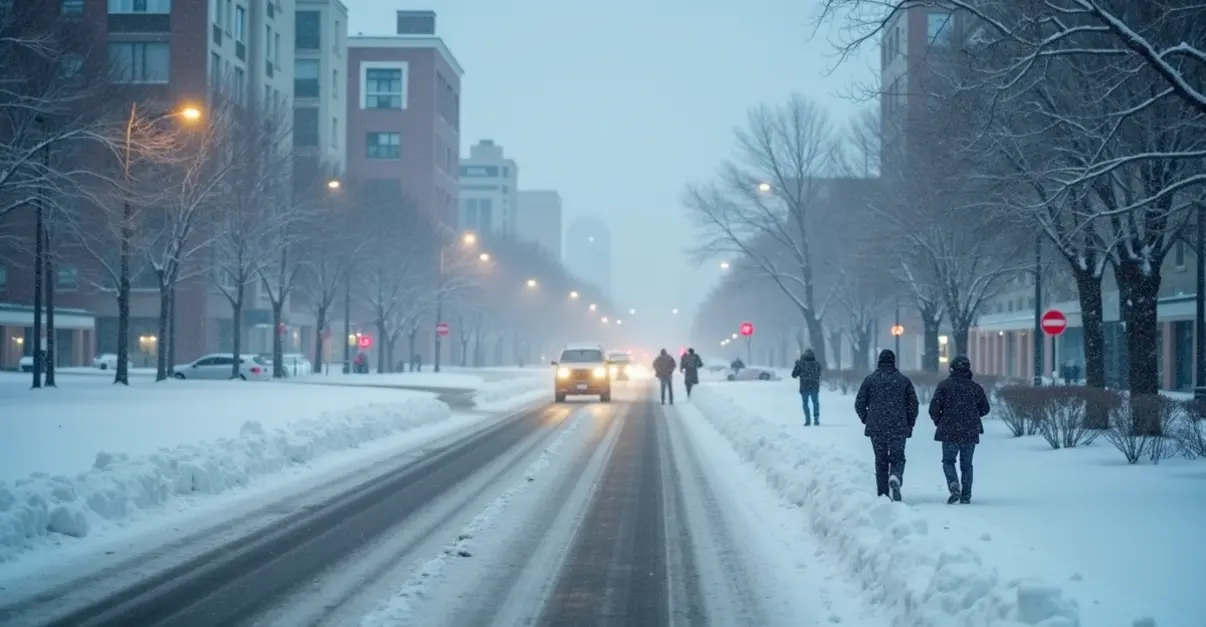
A severe winter storm has brought Germany to a standstill, resulting in at least one fatality, massive traffic gridlock, and widespread transport disruptions across the country. The extreme weather conditions, characterized by freezing rain and black ice, have created treacherous conditions that emergency services are struggling to manage.
Deadly Accidents and Massive Traffic Jams
In the state of Hessen, a tragic accident claimed the life of a 51-year-old van driver when a truck skidded off the road and collided with his vehicle. The incident highlights the dangerous conditions that have led to numerous accidents throughout Germany.
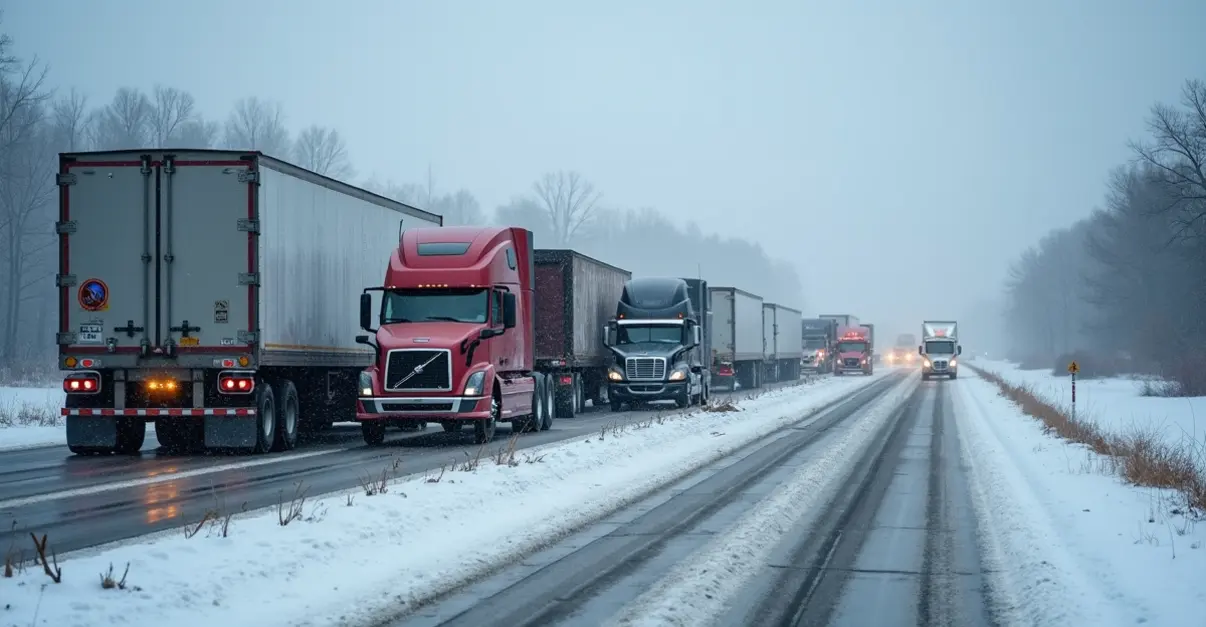
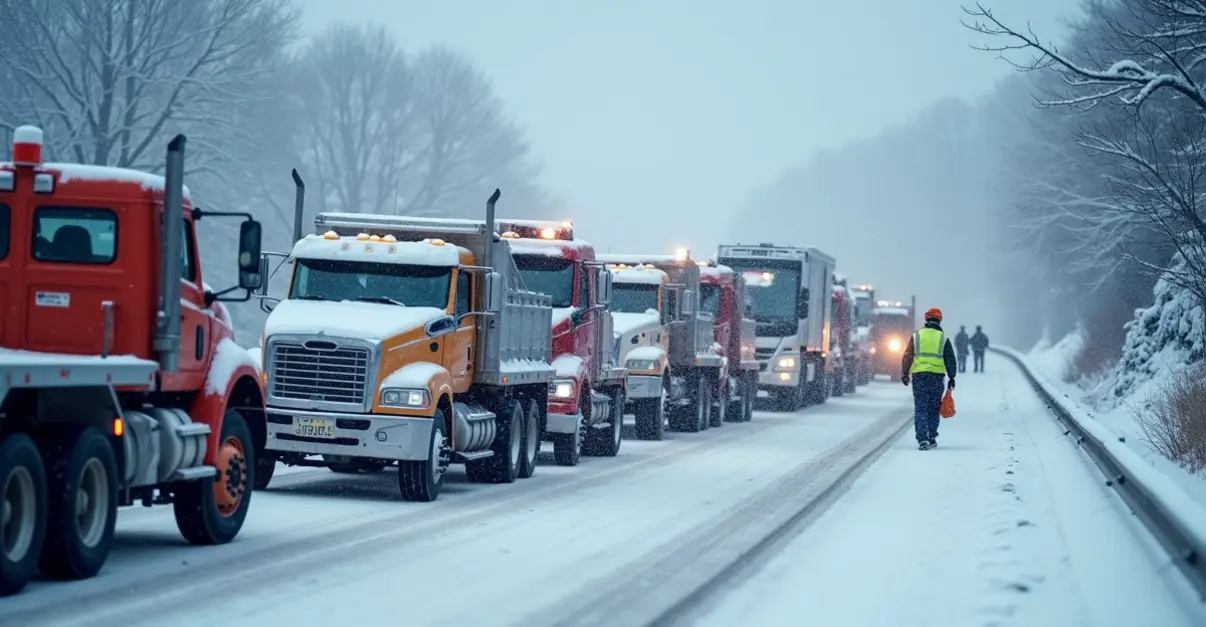
The most dramatic traffic situation unfolded on the Bundesstraße B49, a major German thoroughfare, where multiple trucks became stuck across the roadway. Weilburg mayor Johannes Hanisch documented the chaos on Instagram, revealing he was trapped for ten hours before being able to continue his journey. 'I've never seen anything like this in my 15 years as mayor,' Hanisch stated in his video post.
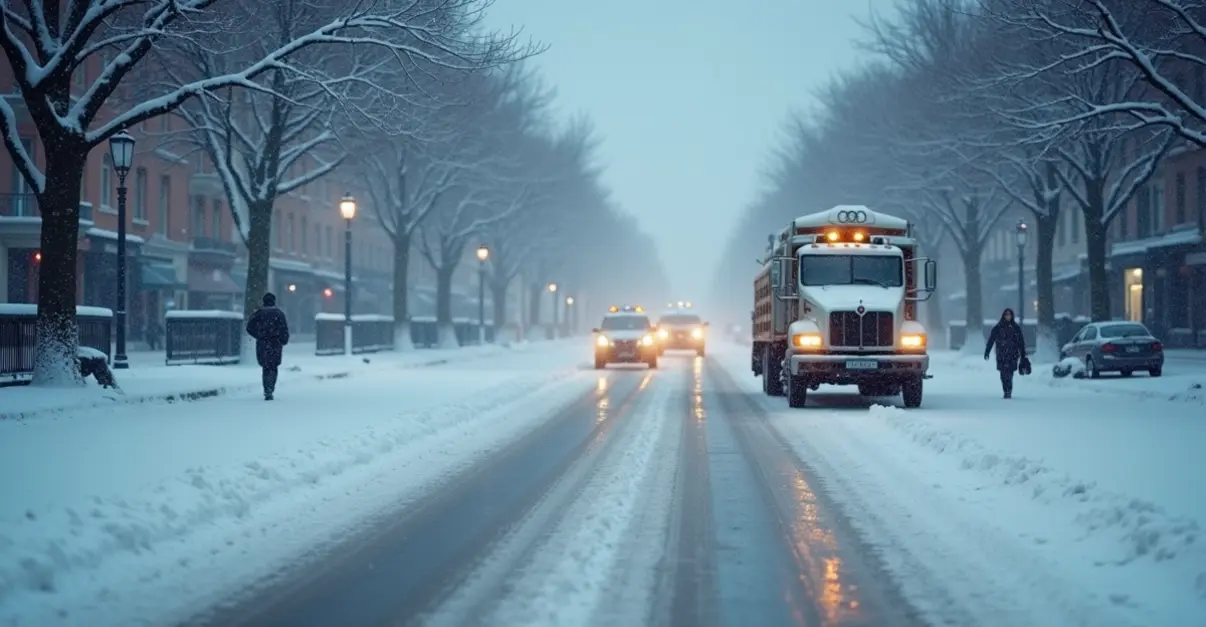
On the A3 motorway, a 30-kilometer traffic jam developed as trucks became immobilized by the icy conditions. Snowplows and salt spreaders are working around the clock in multiple federal states to keep roads passable, but the scale of the problem is overwhelming local resources.
Environmental Concerns vs. Public Safety
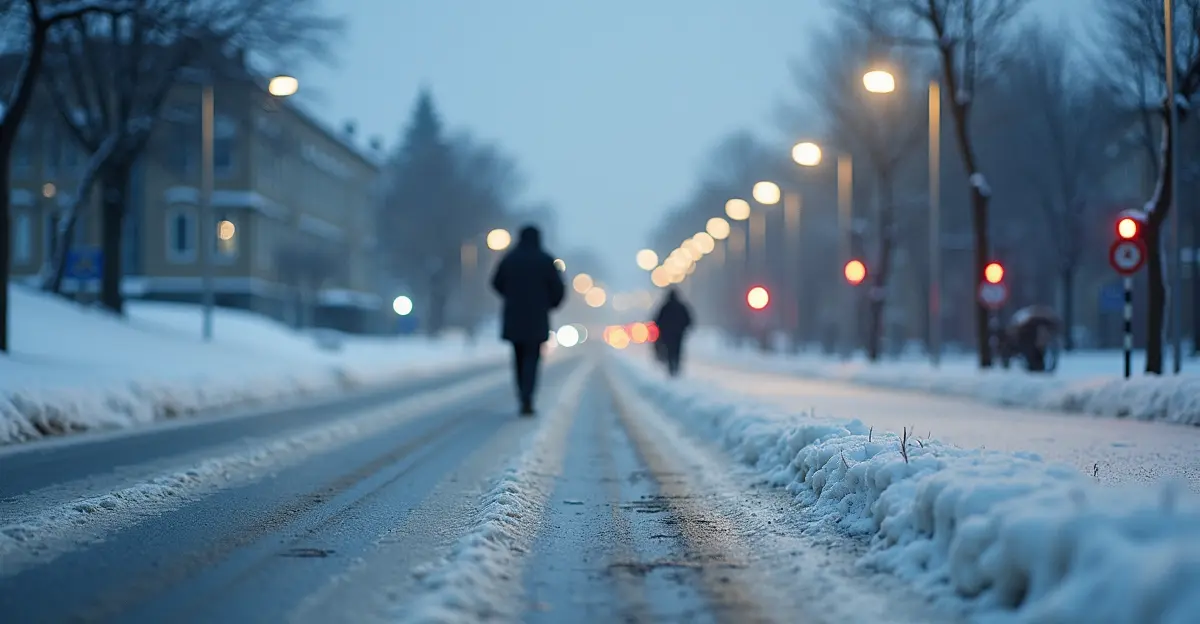
Germany's winter response has created a conflict between environmental protection and public safety. Normally, many German cities prohibit road salt due to its damaging effects on flora, fauna, and infrastructure. However, the current crisis has forced authorities to temporarily lift these bans.
According to environmental reports, Brandenburg has already used 90% of its 35,000-ton salt reserve this season. Cities like Berlin and Hamburg have implemented temporary exemptions from their salt bans, prioritizing pedestrian safety during what Hamburg is experiencing as its coldest January since 2010.
Rail Transport in Crisis
Deutsche Bahn, Germany's national railway operator, is facing severe disruptions to its services. Numerous long-distance trains have been canceled, including the ICE sprinter between Berlin and Bonn, and key connections to Cologne, Frankfurt, and Karlsruhe.
Regional services to Bremen, Oldenburg, Münster, and Aachen have been completely suspended. The freezing rain creates glaze ice on rail surfaces, forcing speed restrictions that cascade into delays and missed connections across the network. 'We're doing everything possible to restore services, but safety must come first,' a Deutsche Bahn spokesperson told reporters.
Record Freeze on Germany's Largest Lake
The extreme cold has even frozen Germany's largest inland lake, the Müritz, which covers 117 square kilometers in Mecklenburg-Vorpommern. The lake's complete freeze-over is a rare occurrence that underscores the severity of the current cold spell.
Weather experts from the German Weather Service (DWD) have issued their highest-level warnings (levels 3 and 4) for extreme snow and ice across multiple regions. The warnings follow recent severe weather from Storm Elli in early January 2026, which already caused flight cancellations, halted rail services, and resulted in fatalities.
Authorities are urging residents to avoid unnecessary travel and prioritize safety during what is expected to be several more days of hazardous conditions. Schools in several regions have switched to remote learning, while emergency services report being overwhelmed with assistance requests.

Follow Discussion