Nederlands
 English
 Deutsch
 Français
 Español
 Português
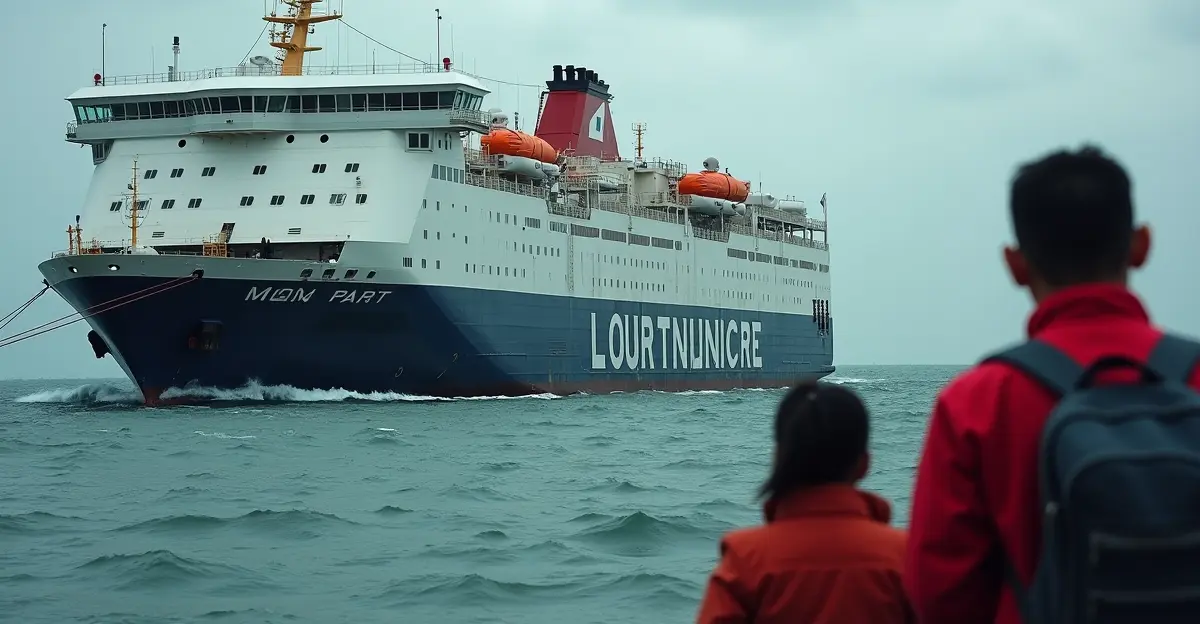





Major Ferry Disaster Strikes Southern Philippines
A passenger ferry carrying more than 350 people sank in the early hours of Monday, January 26, 2026, off the coast of Basilan province in the southern Philippines, resulting in at least 15 confirmed deaths and a massive rescue operation that saved hundreds of lives. The M/V Trisha Kerstin 3, operated by Aleson Shipping Lines, was traveling from Zamboanga City to Jolo Island when it encountered technical problems and sank around 1:50 AM local time.
Rescue Operations and Survivor Accounts
According to the Philippine Coast Guard, the vessel was carrying 332 passengers and 27 crew members when it went down. Rescue operations involving coast guard vessels, navy ships, surveillance planes, helicopters, and local fishing boats have saved at least 316 people so far. 'The ferry suddenly tilted to one side, throwing people into the dark sea,' recounted one survivor who lost his 6-month-old baby in the tragedy. 'It happened so fast, we had no time to react properly.'
Search efforts continue for those still missing, with 28 people unaccounted for as of Monday afternoon. The Philippine Coast Guard has deployed multiple assets to the area, including BRP Cabra and BRP Malabrigo patrol vessels, while the Philippine Air Force has provided aerial support.
Technical Problems and Investigation
Initial reports suggest the ferry may have sustained hull damage, developing a hole that allowed water to enter and causing rapid sinking. 'The vessel was cleared for departure and showed no signs of overloading,' stated Coast Guard spokesperson Commodore Armando Balilo. 'We are investigating the exact cause of the technical failure that led to this tragedy.'
The incident occurred near Baluk-baluk Island in generally good weather conditions, ruling out storm-related causes. This has raised questions about vessel maintenance and safety protocols in the Philippines' inter-island ferry system.
History of Maritime Disasters in the Philippines
Ferry accidents are unfortunately common in the Philippines, an archipelago nation where boats serve as essential transportation between its 7,641 islands. The country has experienced some of the world's deadliest maritime disasters, including the 1987 Doña Paz tragedy that claimed over 4,300 lives - the deadliest peacetime maritime disaster in history.
Maritime safety experts point to multiple factors contributing to these tragedies: aging fleets, poor maintenance, overcrowding, lax safety enforcement, and sometimes severe weather conditions. 'This latest incident highlights the urgent need for comprehensive maritime safety reforms,' said maritime safety analyst Dr. Maria Santos. 'While the Philippines has made some improvements since the Doña Paz disaster, systemic issues persist.'
Regional Context and Recent Incidents
The sinking comes just days after another maritime incident in the region. On January 23, 2026, a cargo ship with 21 crew members capsized in the South China Sea near a disputed sandbar, resulting in at least two deaths. That incident occurred in waters claimed by both the Philippines and China, highlighting the geopolitical tensions in the area.
The Philippine government has announced it will conduct a thorough investigation into the latest ferry disaster and review safety protocols across the maritime transportation sector. President Ferdinand Marcos Jr. expressed condolences to the victims' families and promised support for survivors.
As rescue operations continue, the international community watches closely, with several countries offering assistance. The tragedy serves as a stark reminder of the vulnerabilities in maritime transportation systems and the human cost when safety measures fail.