Nederlands
 English
 Deutsch
 Français
 Español
 Português
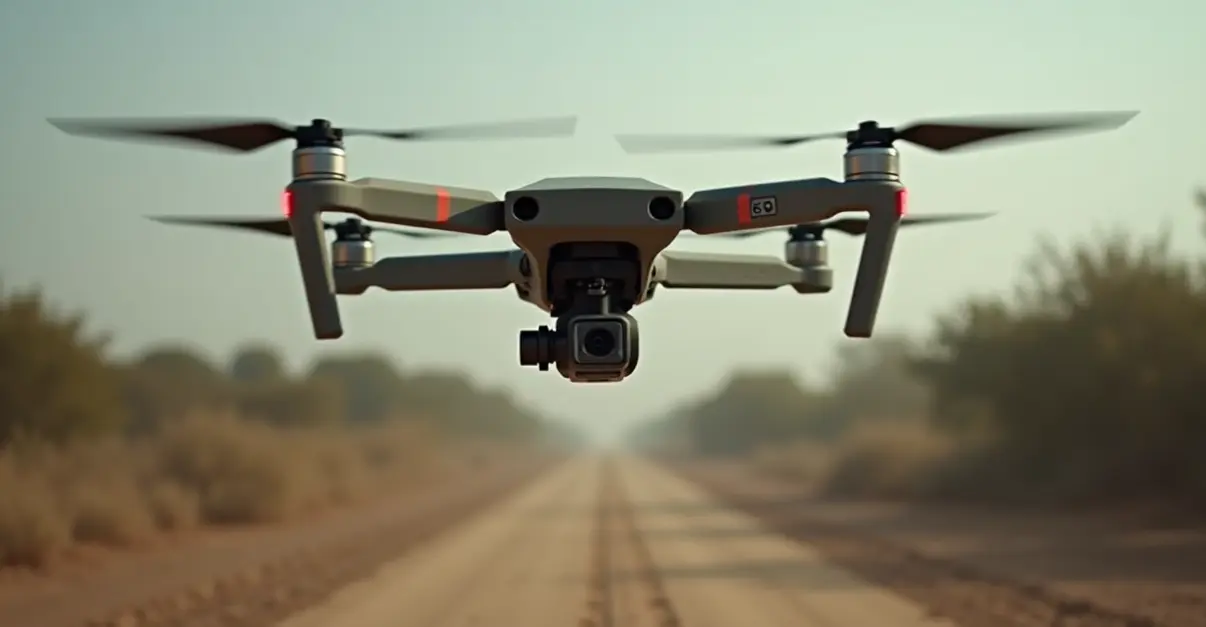





Drug Cartels Embrace Drone Technology in Escalating Border Conflict
Mexican drug cartels have dramatically escalated their technological capabilities, transforming from traditional criminal organizations into sophisticated paramilitary groups equipped with advanced drone technology. According to recent intelligence reports, cartels conducted approximately 60,000 drone flights along the U.S.-Mexico border over a six-month period in 2024-2025, representing a massive increase in aerial surveillance and operational capabilities.
From Smuggling Tools to Weaponized Systems
The evolution of cartel drone usage has been rapid and alarming. What began as simple surveillance tools for monitoring border patrol movements has evolved into sophisticated weaponized systems. 'Cartels have transitioned from crude bomb-dropping quadcopters to first-person view attack drones,' explains security analyst Maria Rodriguez. 'This represents a quantum leap in their operational capabilities.'
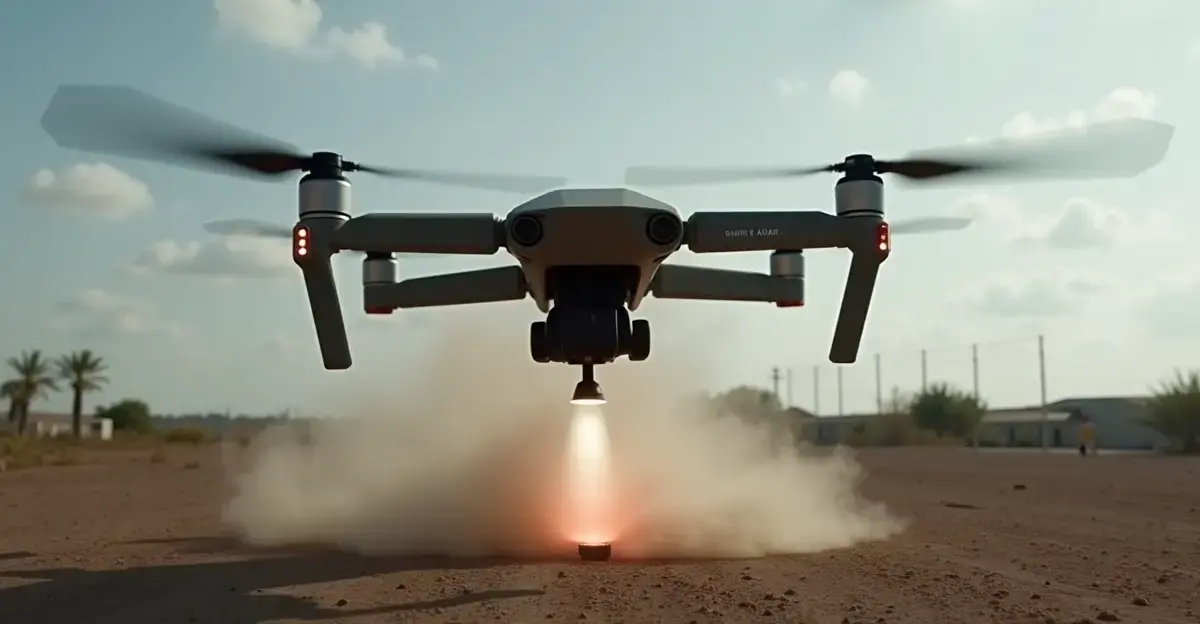
In April 2025, the Jalisco New Generation Cartel conducted Mexico's first confirmed FPV (First-Person View) drone attack, marking a significant technological milestone. These drones, originally developed for racing and adapted for warfare in Ukraine, offer cartels affordable, precise attack capabilities. Each FPV drone costs under $400, is highly maneuverable, and can carry explosive payloads for targeted attacks.
Border Security Under Siege
The sheer scale of cartel drone operations has created unprecedented challenges for U.S. border security agencies. According to a Border Report investigation, the 60,000 drone flights represent sophisticated, organized operations that exploit technological advantages to facilitate illegal border crossings and drug trafficking activities.
'We're seeing a technological arms race at the border,' says Border Patrol veteran John Martinez. 'Cartels use drones to monitor our movements, identify security gaps, and coordinate smuggling operations with precision we've never seen before.'
International Knowledge Transfer
Perhaps most concerning is evidence suggesting cartel operatives may have gained combat experience through Ukrainian International Legion training. According to the Atlantic Council, cartels have potentially accelerated their technological advancement by years through this knowledge transfer.
Security expert David Chen notes: 'The evidence suggests cartel operatives traveled to Ukraine to learn FPV drone tactics. This isn't just criminal innovation—it's international paramilitary knowledge transfer that poses serious national security risks.'
Escalating Violence and Countermeasures
Cartel drone attacks have increased from just 5 incidents in 2020 to 260 in 2023, with incidents now occurring almost daily in contested regions. In response to this growing threat, U.S. authorities have implemented several countermeasures:
1. Border Patrol agents are now required to carry first aid kits, tourniquets, wear body armor, and keep rifles readily available
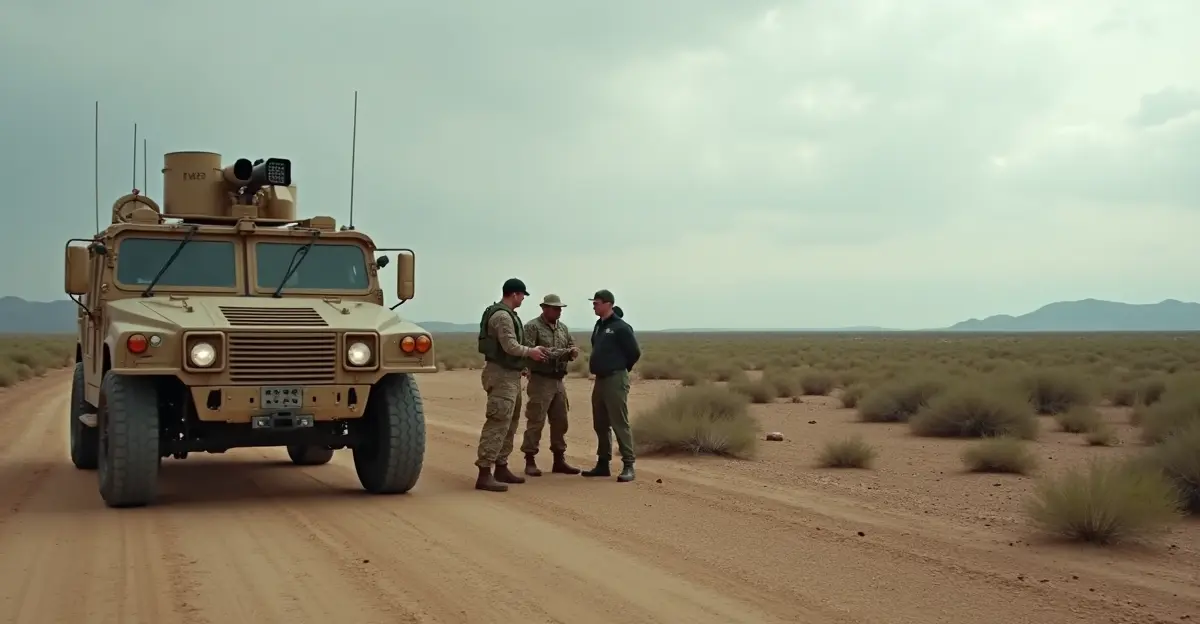
2. Stryker armored vehicle units have been deployed to monitor cartel drone activity in border regions
3. Legislative action through the Laken Riley Act and provisions in the 2025 National Defense Authorization Act specifically target cartel drone operations
The Economic and Security Implications
The affordability of drone technology has democratized aerial warfare capabilities for non-state actors. 'For under $400, cartels can deploy precision strike capabilities that would have required millions in military hardware just a decade ago,' explains technology analyst Sarah Johnson.
Cartels have also invested in expensive counter-UAS systems, with some units costing over $100,000, indicating they're preparing for drone-on-drone conflicts. This technological escalation moves cartels closer to being identified as paramilitary organizations rather than just transnational crime groups.
Future Outlook and Recommendations
Security experts recommend several strategies to counter this evolving threat:
• Enhanced intelligence cooperation between the U.S., Mexico, and Ukraine
• Investment in counter-drone defense systems along the border
• Disruption of supply chains for drone components
• Reframing cartels as hybrid threats requiring comprehensive security strategies
'We need to understand that we're no longer dealing with traditional criminal organizations,' concludes national security advisor Michael Thompson. 'These are technologically sophisticated paramilitary groups with global connections and increasingly advanced capabilities. Our response must evolve accordingly.'