


 Deutsch
 English
 Español
 Français
 Nederlands
 Português


 Share
Share




What is the El Paso Airport Closure Incident?
The Federal Aviation Administration (FAA) made an unprecedented decision on February 11, 2026, to close El Paso International Airport's airspace for ten days, citing 'special security reasons' related to Mexican cartel drones breaching U.S. airspace. The sudden closure, which was lifted just hours later, created chaos at the Texas border airport and sparked outrage among local officials who were not consulted about the decision. This incident represents one of the most significant border security drone incidents in recent U.S. history and highlights growing tensions between aviation safety and national security concerns.
Background: El Paso's Strategic Border Location
El Paso International Airport (IATA: ELP) serves as a critical transportation hub for West Texas, Southern New Mexico, and North Central Mexico, handling over 4 million passengers annually. Located just four miles northeast of downtown El Paso and adjacent to the U.S.-Mexico border, the airport's proximity to Fort Bliss military base and the international boundary makes it particularly vulnerable to cross-border security incidents. The airport has historically served as a key connection point between the United States and Mexico, with its strategic location making it both economically vital and security-sensitive.
The 2026 Drone Invasion Incident
Initial FAA Announcement and Closure
On the morning of February 11, 2026, the FAA announced that El Paso International Airport would remain closed until February 20, 2026, grounding all commercial, cargo, and private flights within an 18-kilometer (approximately 11-mile) radius. The agency cited 'special security reasons' and indicated that government forces might use 'deadly force' if aircraft posed a direct threat. This radius included Fort Bliss military base, creating significant disruption to both civilian and military operations.
Department of Defense Anti-Drone Technology
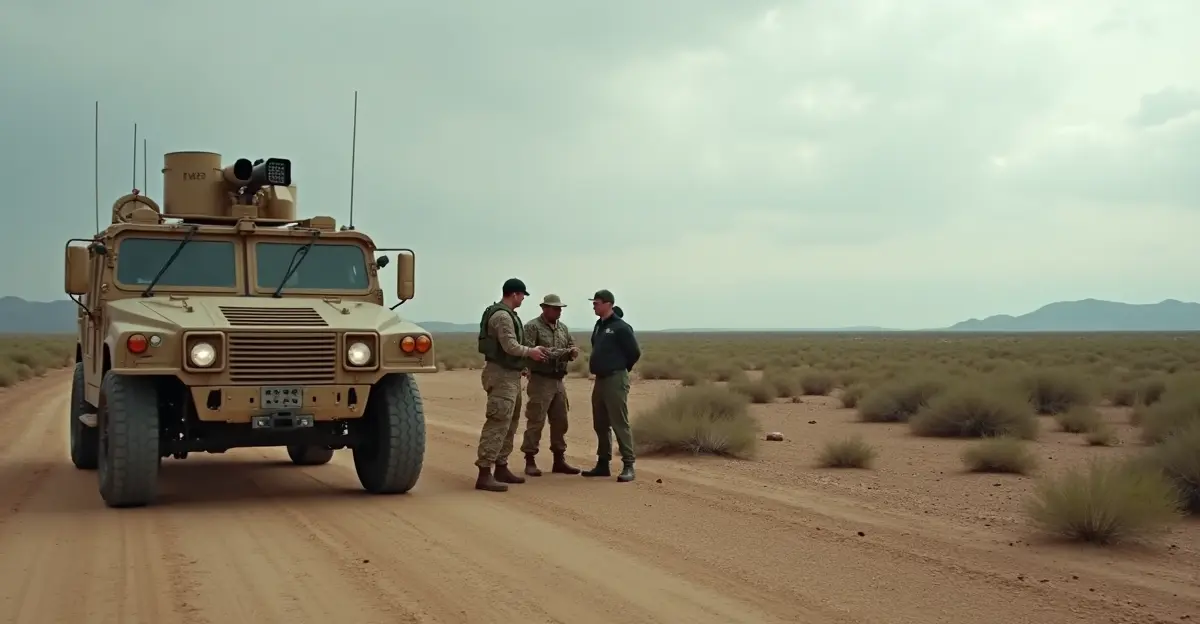
According to multiple sources, the closure resulted from a dispute between the Pentagon and FAA over the use of laser systems to counter cartel drones. The military wanted to deploy high-energy laser technology to disable drones operated by Mexican cartels along the border, but the FAA raised concerns about aviation safety and potential risks to commercial aircraft. 'This was about protecting our airspace from cartel drones, but we must balance security with aviation safety,' said an anonymous Department of Defense official.
Rapid Reversal and Confusion
Just hours after announcing the ten-day closure, the FAA lifted the flight restrictions, stating there was 'no current threat to commercial air travel.' This abrupt reversal left local authorities confused and angry. El Paso Mayor Renard Johnson stated at a press conference: 'Our community was frightened because someone decided to close our airspace. You can't just do that without consulting us.' Medical evacuation flights were diverted, and the airport descended into chaos during the brief closure period.
Drone Statistics and Border Security Trends
The incident occurred against a backdrop of increasing drone activity along the U.S.-Mexico border. According to congressional testimony from late 2024, approximately 27,000 drones were detected flying near the border during the last six months of 2024 alone. Mexican cartels have increasingly used drones for surveillance, smuggling operations, and potentially more nefarious purposes. The drone border security challenges have prompted significant investment in counter-drone technology, including the laser systems that reportedly caused the FAA's concern.
Key Statistics:
- 27,000 drones detected near U.S.-Mexico border (last 6 months of 2024)
- 10-day initial closure announced (February 11-20, 2026)
- 18-kilometer closure radius affecting Fort Bliss military base
- 4+ million annual passengers at El Paso International Airport
- 0 advance notice given to local authorities
Political and Community Response
The incident sparked immediate political backlash. U.S. Representative Veronica Escobar (D-Texas) called the FAA's action 'unprecedented and unacceptable,' criticizing the lack of communication with local officials. Transportation Secretary Sean Duffy took to social media platform X to explain that the FAA and Department of Defense were responding to a 'cartel drone invasion,' though Mexican President Sheinbaum denied having any information about drones at the border.
Local hospitals reported significant disruptions to medical transport services, with emergency flights being rerouted to other facilities. The aviation security protocols came under scrutiny as officials questioned whether proper procedures were followed in making the closure decision without consulting affected stakeholders.
Implications for Aviation Security and Border Policy
The El Paso airport closure incident raises critical questions about the intersection of aviation safety, national security, and interagency coordination. As drone technology becomes more accessible and sophisticated, similar incidents may become more frequent along vulnerable border regions. The incident highlights several key issues:
- Communication Breakdown: The failure to notify local authorities before closing critical airspace
- Technology vs. Safety: Balancing advanced anti-drone systems with aviation safety requirements
- Border Security Evolution: Adapting to new threats posed by drone technology
- Interagency Coordination: Improving collaboration between FAA, DOD, and local authorities
Frequently Asked Questions (FAQ)
Why was El Paso Airport closed in February 2026?
The FAA closed El Paso International Airport due to concerns about Mexican cartel drones breaching U.S. airspace and a dispute over anti-drone laser technology deployment.
How long was the airport supposed to be closed?
The initial announcement indicated a 10-day closure from February 11-20, 2026, but restrictions were lifted just hours after being implemented.
Were local authorities notified about the closure?
No, El Paso city officials, the airport authority, and local hospitals were not consulted or notified in advance of the airspace closure decision.
What caused the FAA to reverse its decision?
The FAA lifted restrictions after determining there was no current threat to commercial aviation, though the exact reasons for the rapid reversal remain unclear.
How common are drone incursions at the U.S.-Mexico border?
Extremely common - 27,000 drones were detected near the border in just the last six months of 2024, indicating a significant and growing security challenge.

Follow Discussion