Nederlands
 English
 Deutsch
 Français
 Español
 Português





Red Sea Shipping Crisis Intensifies as Naval Operations Expand
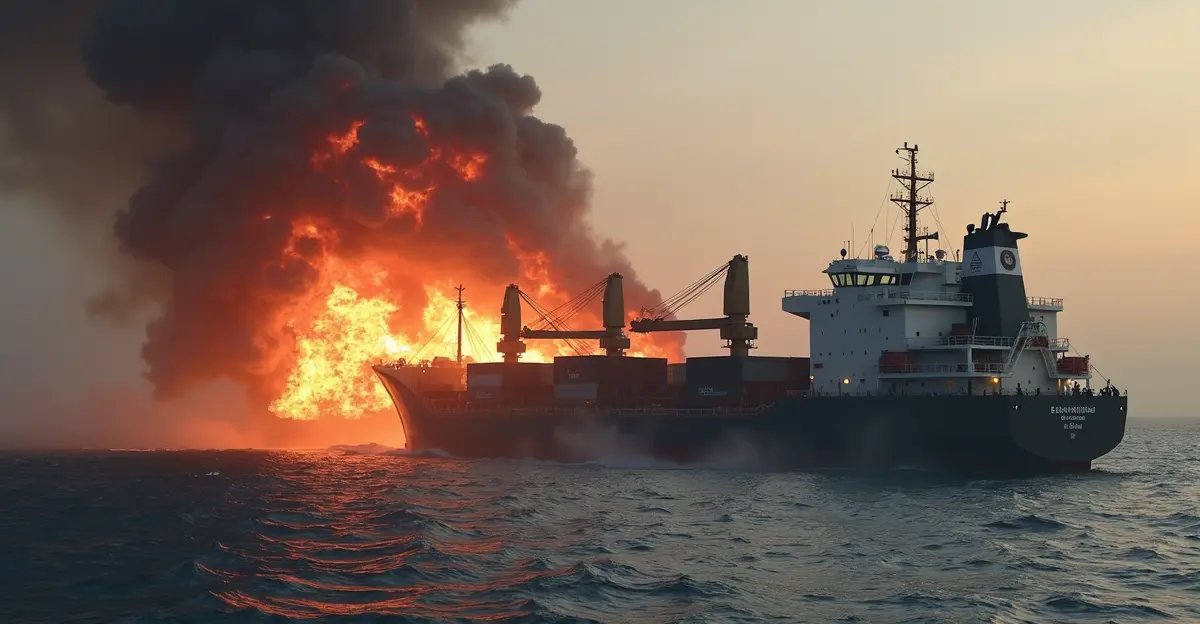
The strategic waters of the Red Sea have become a global flashpoint, with international naval coalitions scrambling to protect vital shipping lanes while insurance costs skyrocket for commercial vessels. Since October 2023, Houthi attacks from Yemen have transformed this crucial maritime corridor into one of the world's most dangerous shipping routes, forcing dramatic changes in global trade patterns.
'We're seeing insurance premiums double or even triple for vessels transiting the Red Sea,' says maritime insurance analyst Sarah Chen from Lloyd's of London. 'Some underwriters are refusing coverage altogether for certain flagged ships, creating a two-tier market where only the largest operators can afford the risk.'
International Naval Response: Operation Prosperity Guardian and EU's Aspides
In response to the escalating threat, two major international operations have been established. Operation Prosperity Guardian, launched in December 2023, involves U.S. and allied forces from over a dozen nations including the UK, Australia, Canada, and European partners. The operation has conducted numerous airstrikes against Houthi targets while providing naval escorts for commercial vessels.
Simultaneously, the European Union launched Operation ASPIDES under its Common Security and Defense Policy. This defensive mission focuses on protecting freedom of navigation through maritime situational awareness, vessel accompaniment, and protection against multi-domain attacks at sea.
'The naval presence has reshaped risk calculations but hasn't normalized shipping,' explains security analyst Marcus Johnson. 'Insurers are pricing not just interception probability but escalation pathways and attribution ambiguity. The financial-logistics system is responding faster than military operations can secure the area.'
Massive Rerouting Around Africa's Cape of Good Hope
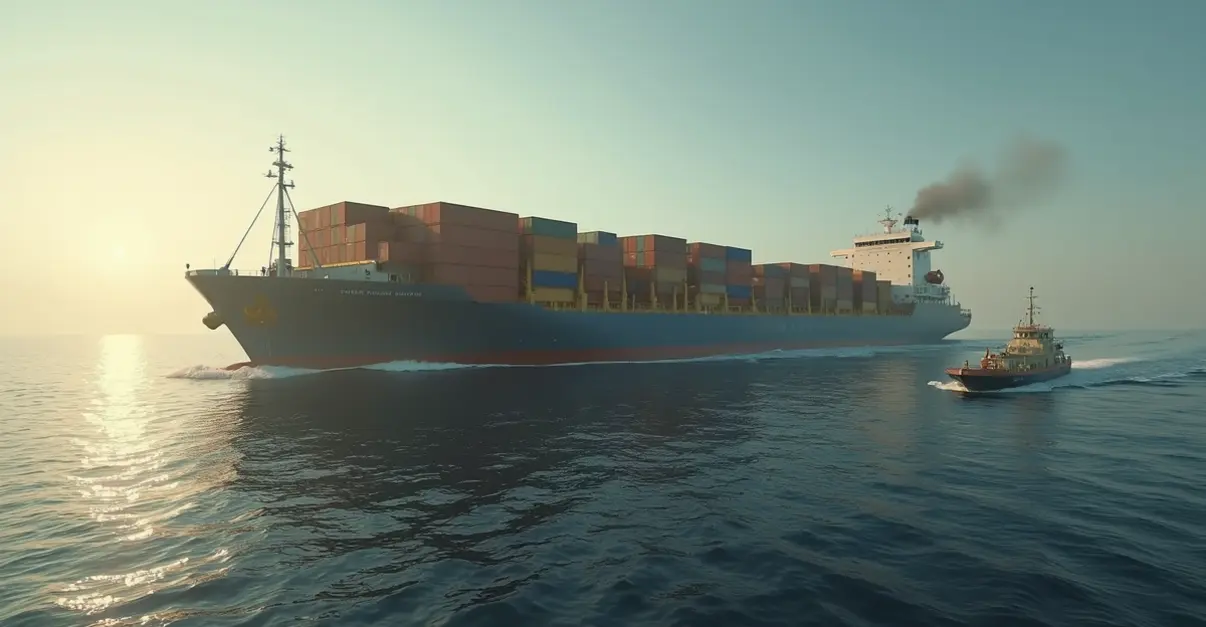
The security situation has forced major shipping companies to implement extensive rerouting strategies. According to industry reports, over 190 attacks by October 2024 have reduced Suez Canal traffic by 57.5%, with hundreds of vessels opting for the longer route around Africa's Cape of Good Hope.
This detour adds 10-14 days to Asia-Europe journeys, increasing fuel consumption by approximately 30% and creating significant supply chain delays. Egypt has reported staggering losses of $800 million in monthly Suez Canal revenues, highlighting the economic impact on regional economies.
'The choice between expensive insurance or longer alternative routes is forcing exporters to completely rethink their logistics,' notes shipping executive David Müller of Maersk. 'For some commodities, the additional transit time makes certain trade routes economically unviable.'
Insurance Costs Skyrocket: War-Risk Premiums Double
The financial impact on shippers has been severe. War-risk insurance premiums have more than doubled, surging from approximately 0.3% to 0.7-1.0% of vessel value per voyage. For a typical container ship valued at $100 million, this translates to an additional $700,000 to $1 million in insurance costs per Red Sea transit.
Industry reports indicate some insurers have raised premiums by up to 80% following recent security incidents near the Bab el-Mandeb Strait. The increased insurance burden is being passed on through higher freight rates, affecting charterers, shippers, and ultimately consumers worldwide.
'This represents one of the clearest economic signals of escalating instability,' says financial analyst Elena Rodriguez. 'When insurance becomes unavailable or uneconomical, shipping halts occur well before physical interdiction. The market is telling us this corridor remains highly volatile.'
Industry Adaptation and Future Outlook
Shipping companies are implementing various mitigation strategies. Larger firms are negotiating collective insurance packages and forming informal convoys to share security resources. Enhanced onboard security measures, including armed guards and advanced monitoring systems, have become standard for vessels still transiting the Red Sea.
The crisis has also accelerated investment in alternative trade routes and security technologies. However, analysts warn that continued premium increases could force smaller operators out of the market, potentially leading to industry consolidation.
With a 2025 U.S.-Houthi ceasefire establishing some stability, major shipping corporations like Maersk have cautiously resumed Red Sea routes. Yet the volatile situation means many companies maintain contingency plans for rapid rerouting should security deteriorate again.
The Red Sea shipping crisis demonstrates how minimal kinetic action by non-state actors can create disproportionate economic leverage by targeting insurance and logistics systems optimized for stability rather than ambiguity. As global trade adapts to this new reality, the long-term implications for maritime security, insurance markets, and supply chain resilience continue to unfold.