


 Deutsch
 English
 Español
 Français
 Nederlands
 Português


 Share
Share




Winter Terror: Russia Launches Largest Air Assault of 2026
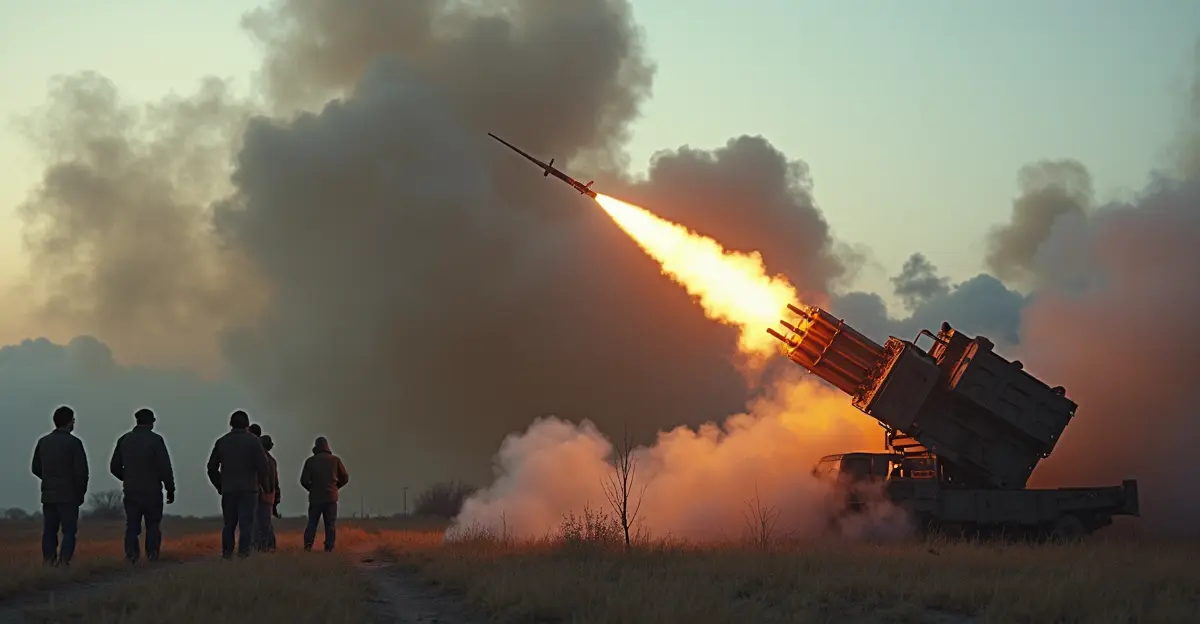
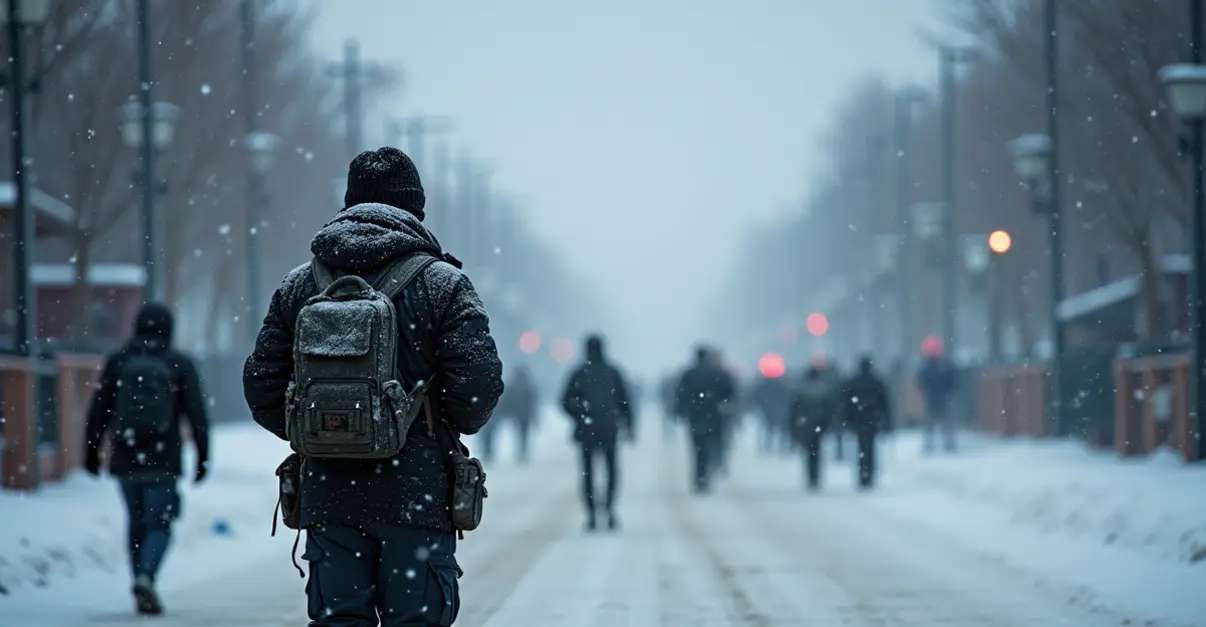
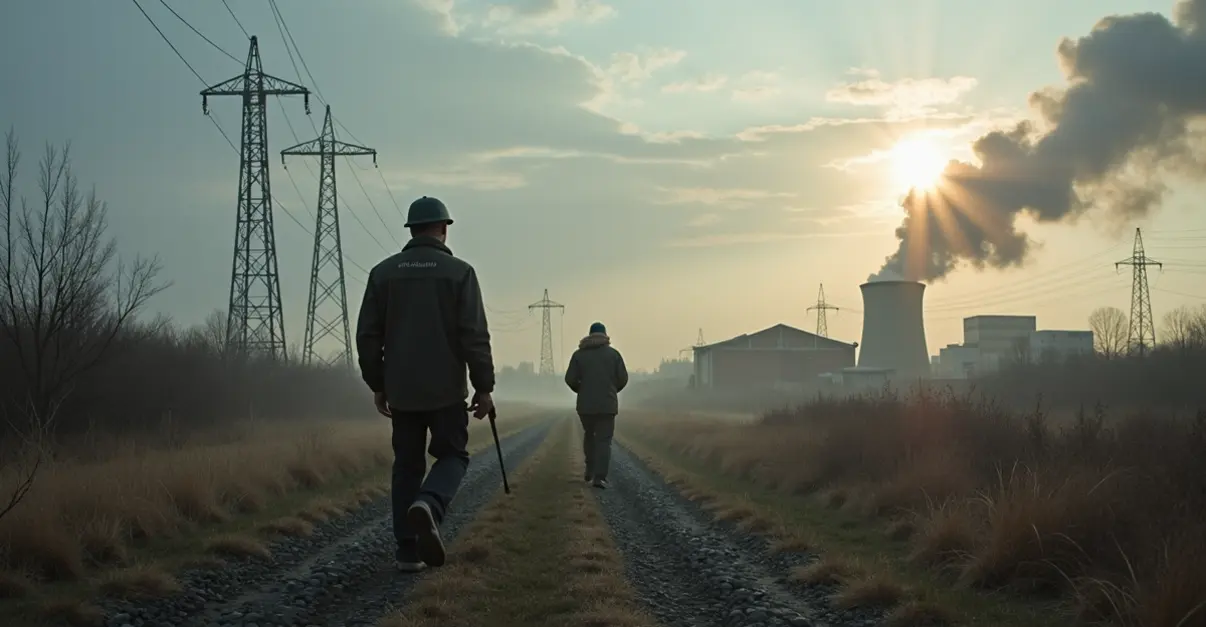
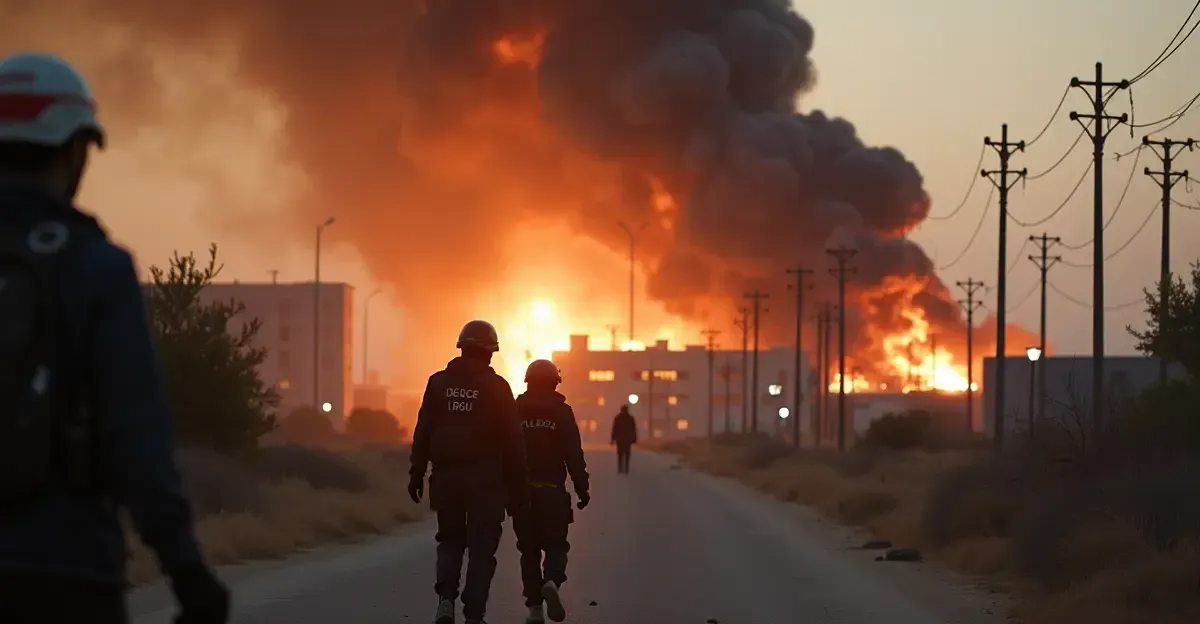
Russia unleashed one of its most devastating aerial attacks of the winter on Ukraine overnight, firing approximately 450 drones and 70 missiles including ballistic weapons across multiple regions. The assault targeted energy infrastructure and civilian areas during extreme cold weather, with temperatures plunging to -20°C in some areas. Ukrainian President Volodymyr Zelenskyy described the attack as 'another attempt at winter genocide' aimed at terrorizing civilians when they are most vulnerable.
Widespread Destruction and Humanitarian Crisis
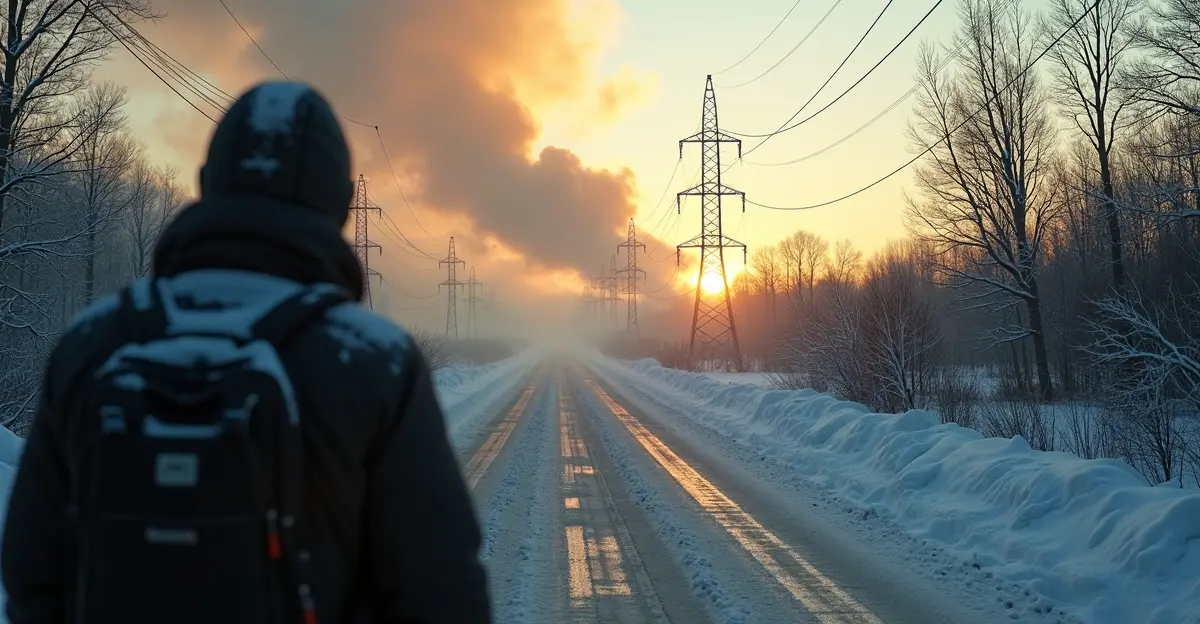
The attacks struck cities hundreds of kilometers from the front lines, including Kyiv, Kharkiv, Dnipro, Sumy, and Odesa. At least nine people were injured, and hundreds of thousands of families were left without heating and electricity during the brutal winter conditions. Ukrainian Energy Minister Denys Shmyhal stated on social media that 'Russia has bombed apartment buildings, thermal power plants, and combined heat and power plants that were operating exclusively to provide communities with heat. These were not military targets, but purely civilian targets.'
Kharkiv Mayor Ihor Terekhov reported that over 800 buildings in his city lost power and heating, forcing technicians to shut down the heating system for repairs. 'I understand how difficult this is with temperatures around -20 degrees, but this unforeseen attack leaves us no other choice,' Terekhov said.
NATO Chief's Surprise Visit Amidst Crisis
Just hours after the attacks, NATO Secretary General Mark Rutte made an unannounced visit to Kyiv, demonstrating the alliance's solidarity with Ukraine. Rutte, who became NATO's chief in October 2024 after serving as Dutch prime minister, laid flowers at a memorial for fallen soldiers alongside President Zelenskyy and addressed the Ukrainian parliament.
In his speech, Rutte revealed that '75 percent of all missiles used by Ukraine, and 90 percent of deployed air defense are paid for with resources from NATO's support package.' He emphasized that ending the war would require 'difficult choices' and discussed with Zelenskyy the need for more American air defense systems and increased weapons production within European borders.
Peace Talks and Political Context
The massive attack comes just before scheduled peace talks in Abu Dhabi on February 4-5, where Ukraine, Russia, and the United States are set to resume negotiations. These US-mediated talks represent continued diplomatic efforts to end the nearly four-year conflict, though key territorial issues regarding Ukraine's Donbas region remain unresolved.
The timing of the attack appears strategic, occurring after US President Donald Trump had reportedly secured a promise from Russian President Vladimir Putin to avoid attacking Kyiv for one week and to refrain from targeting energy infrastructure due to extreme cold. However, Kremlin spokesperson Dmitry Peskov had indicated this promise would expire on Sunday, just before the latest assault.
DTEK, Ukraine's largest private energy company, reported this was the most severe attack on the electricity network this year, with nine major assaults on its facilities since October causing significant damage. The company's infrastructure has become a frequent target in Russia's campaign to cripple Ukraine's energy sector during winter months.
International Response and Future Outlook
The international community has condemned the attacks, with European leaders expressing outrage at what many describe as war crimes against civilian infrastructure. Sweden and Denmark recently announced a joint $290 million procurement of Tridon air defense systems for Ukraine, while the EU has shown openness to discussing a customs union with the UK as part of broader security cooperation.
As Ukraine prepares for the Abu Dhabi talks, President Zelenskyy has stated he expects to hear what compromises Russia is willing to make. However, with continued attacks on civilian infrastructure and no clear diplomatic breakthrough in sight, the path to peace remains uncertain while Ukrainian civilians endure another brutal winter under fire.
Follow Discussion