Nederlands
 English
Russian attacks on Ukraine's energy infrastructure leave hundreds of thousands without power and water during winter. Strikes targeted Dnipropetrovsk and Zaporizhzhia regions, with 800,000 people affected. International organizations condemn the attacks as war crimes.
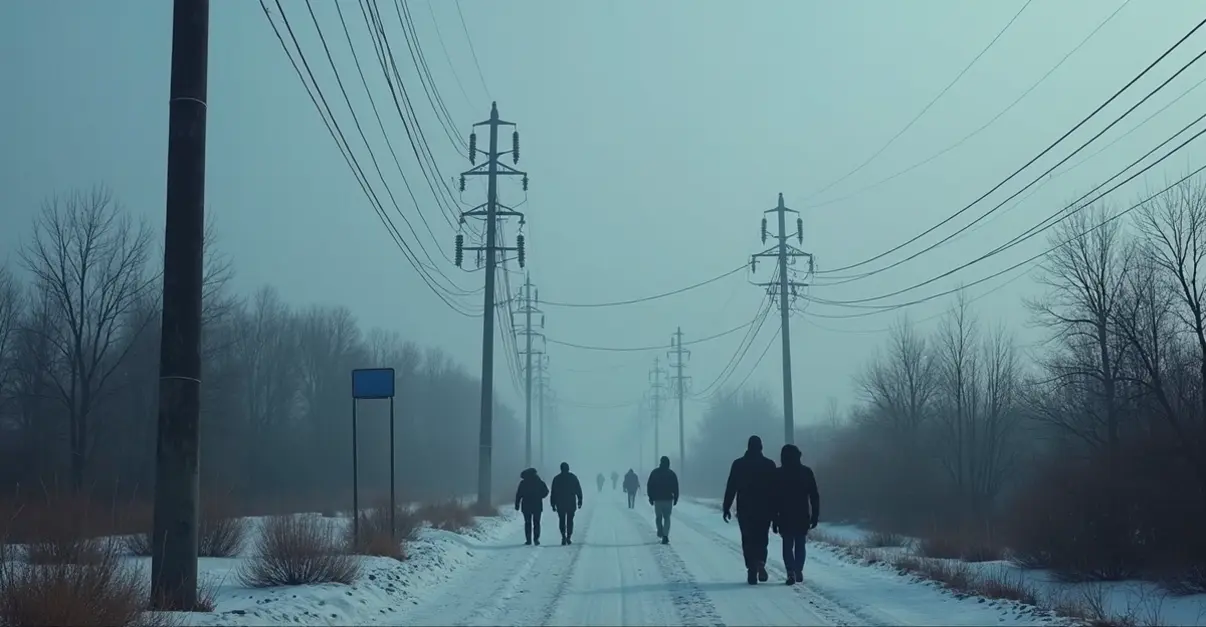
Winter Crisis Deepens as Russia Targets Ukrainian Energy Infrastructure
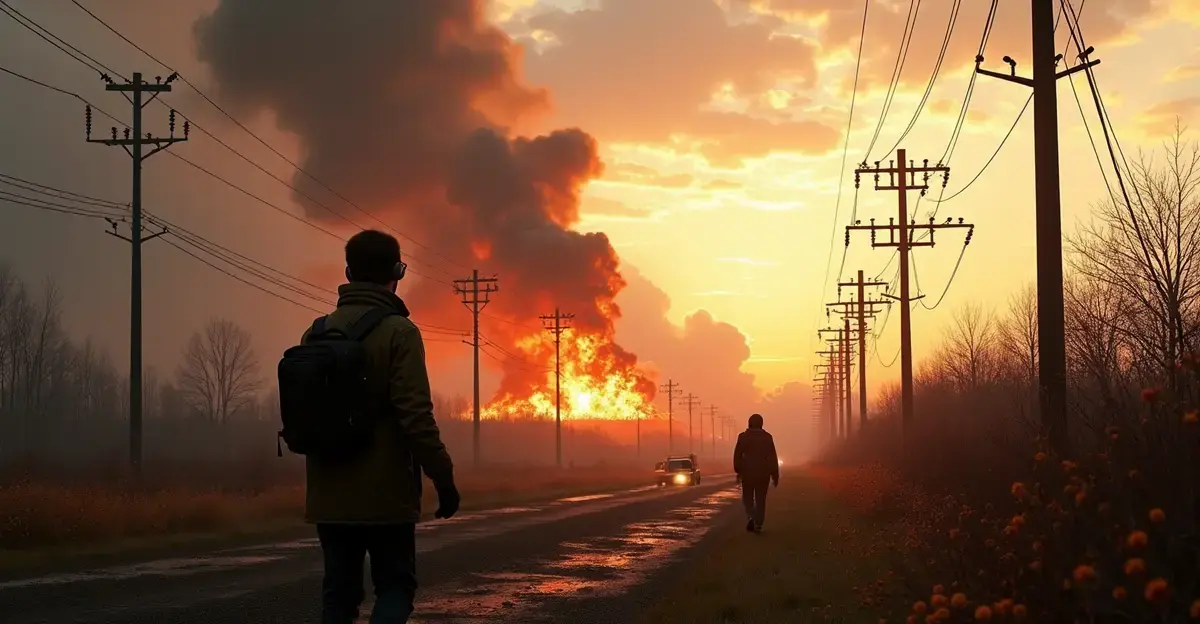
Hundreds of thousands of Ukrainians are facing a brutal winter without electricity, heating, or water following a new wave of Russian attacks on critical energy infrastructure. The overnight strikes on January 7-8, 2026, targeted regions near the front lines, leaving approximately 800,000 people in the Dnipropetrovsk region without power and disrupting water supplies across multiple areas.
Regional Impact and Emergency Response
The attacks caused what local officials described as the worst blackout in years for the Zaporizhzhia region, though power was restored there within seven hours. 'Zaporizhzhia hasn't experienced such a blackout in years, but fortunately administrators responded quickly,' said regional governor Ivan Fedorov. 'It was a difficult night for the region, but light will always win.'
In Dnipropetrovsk, the situation remains dire with over 1 million people affected by the strikes. Eight mines in the region were left without power, though miners were successfully evacuated. Emergency crews are working around the clock to restore services, prioritizing critical infrastructure like hospitals and water facilities.
Strategic Targeting of Civilian Infrastructure
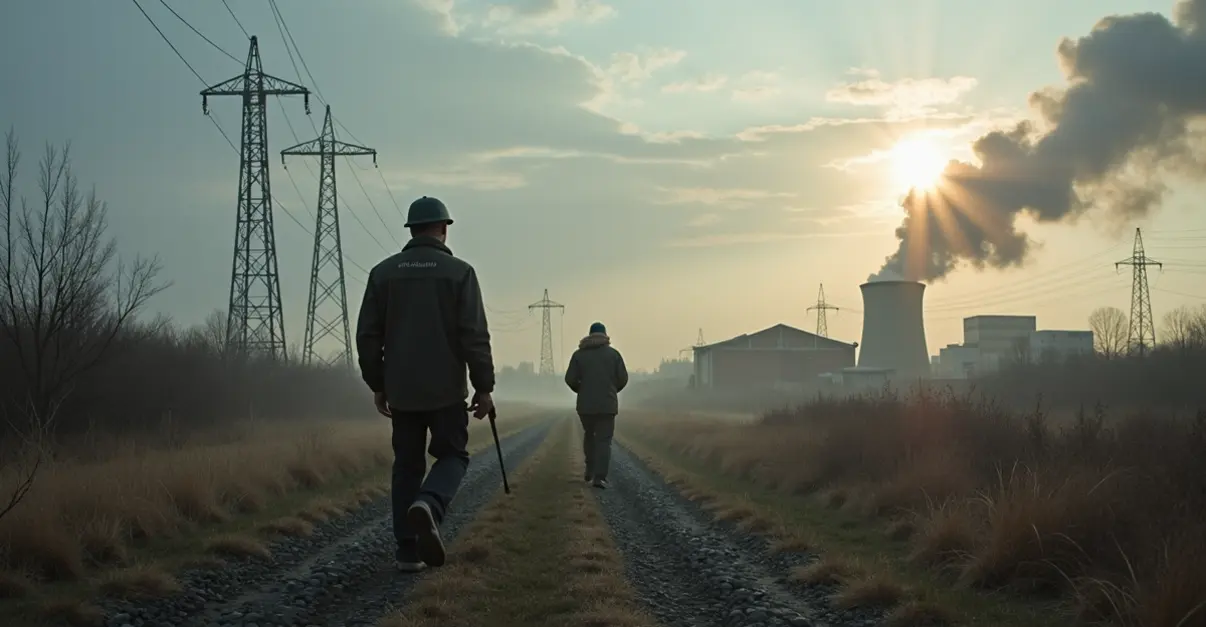
These attacks represent a continuation of Russia's strategy to target Ukraine's energy grid during winter months, a tactic widely condemned by international organizations. According to a UN Human Rights report, Russian attacks have destroyed around 9 gigawatts of generation capacity - equivalent to half of Ukraine's winter needs - and damaged 73% of thermal power units.
Ukrainian President Volodymyr Zelensky responded angrily on social media: 'There is absolutely no military reason to carry out such attacks on the energy supply, leaving ordinary people without heat and power in winter.' He described the strikes as 'deliberate torment' aimed at breaking civilian morale.
International Condemnation and Humanitarian Concerns
The timing of these attacks is particularly concerning as Ukraine faces an approaching cold front. The strikes come just weeks after similar attacks left more than a million people in Kyiv without heating after Christmas. 'This is the biggest attack on a nation's health since World War II,' according to humanitarian assessments of Russia's energy infrastructure targeting.
Western leaders have condemned the attacks, with NATO Secretary General Jens Stoltenberg previously calling similar strikes 'horrific and indiscriminate.' The European Commission has described such attacks as 'barbaric.' Meanwhile, Russia's Defense Ministry claimed the strikes targeted 'energy and port infrastructure of the Ukrainian military,' though provided no evidence for this assertion.
Broader Context and Energy Crisis
According to Wikipedia documentation, Russia has been systematically targeting Ukraine's energy infrastructure since October 2022, with waves of missile and drone attacks that have reduced the country's electricity generating capacity to just one-third of pre-war levels. These attacks are considered war crimes under international law.
DTEK, Ukraine's largest private energy provider, has stated they are in permanent crisis mode due to relentless Russian strikes. CEO Maxim Timchenko noted they 'just don't have time to recover' from the frequent attacks, as reported by BBC News.
As emergency crews work to restore services, Ukrainian officials are urging residents to limit electricity consumption to prevent further blackouts. The humanitarian impact is expected to worsen with the approaching winter weather, putting vulnerable populations including older persons, people with disabilities, and displaced persons at particular risk.