Deutsch
 English
 Español
 Français
 Nederlands
 Português

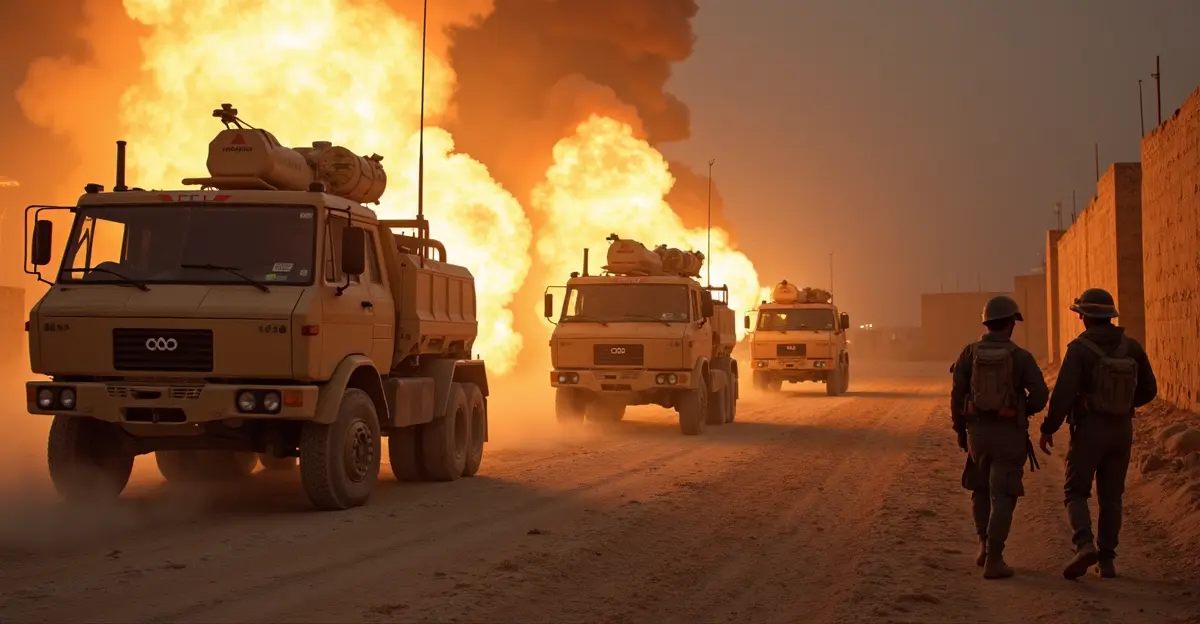





Joint Airstrike Targets IS Weapons Cache Near Palmyra
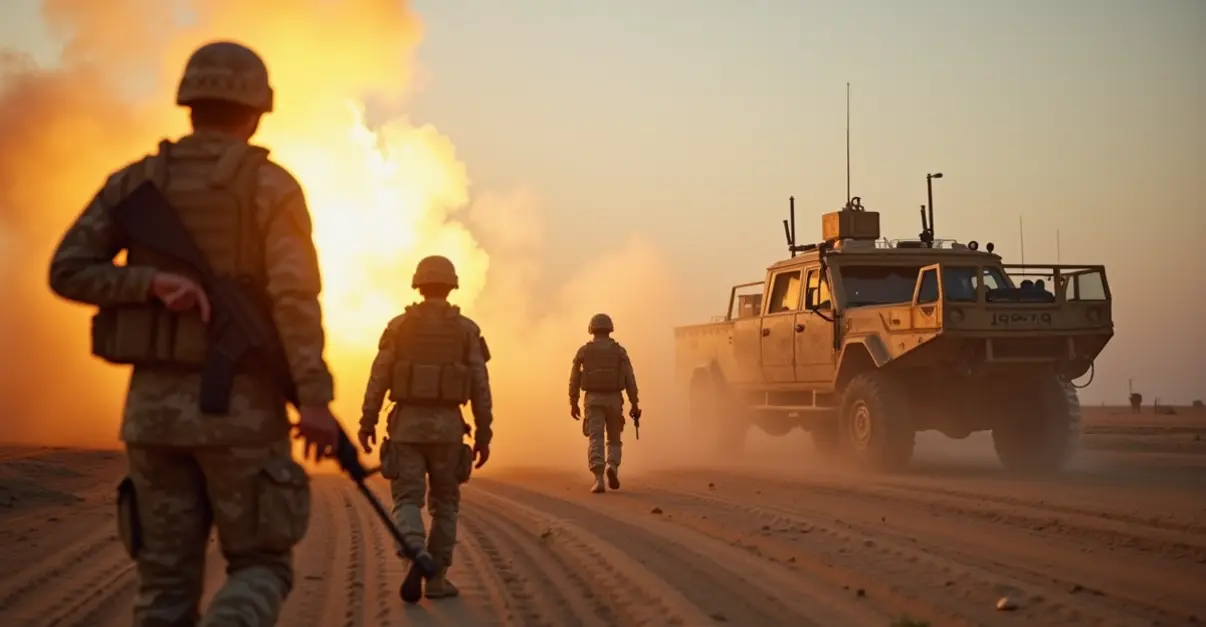
British and French military forces conducted a coordinated airstrike on Saturday evening, targeting an underground Islamic State (IS) weapons storage facility in the mountains north of Palmyra, Syria. The operation, which involved RAF Typhoon FGR4 jets supported by a Voyager refuelling tanker, successfully destroyed access tunnels to the complex using Paveway IV guided bombs.
According to the UK Ministry of Defence, the facility was believed to contain weapons and explosives stored by the terrorist group. 'Initial indications are that the target was engaged successfully, with no risk to civilians,' stated the ministry in their official release. The area surrounding the complex was described as 'devoid of civilian habitation,' ensuring minimal collateral damage.
Strategic Importance of the Operation
The strike comes at a critical time as intelligence reports indicate IS is attempting to rebuild its operational capabilities in Syria and Iraq. Despite losing territorial control in 2019, the group maintains an estimated 5,000-7,000 fighters in the region and has intensified its guerrilla campaign in recent months.
UK Defence Secretary John Healey emphasized the operation's significance: 'This action demonstrates our leadership and determination to work with allies to prevent any resurgence of this terrorist movement. We stand shoulder to shoulder with our partners to keep the British people safe and eliminate dangerous terrorists who threaten our way of life.'
The joint operation was reportedly planned after intelligence identified the underground facility during reconnaissance flights over areas previously controlled by IS. BBC News reported that the strike specifically targeted access tunnels to prevent the facility from being used again.
Regional Context and Security Concerns
This military action follows a December 13, 2025 ambush near Palmyra that killed two US soldiers and an interpreter, highlighting ongoing security challenges in the region. According to Al Jazeera analysis, IS has shifted from territorial control to destabilization tactics, targeting security forces and foreigners to undermine fragile state relationships.
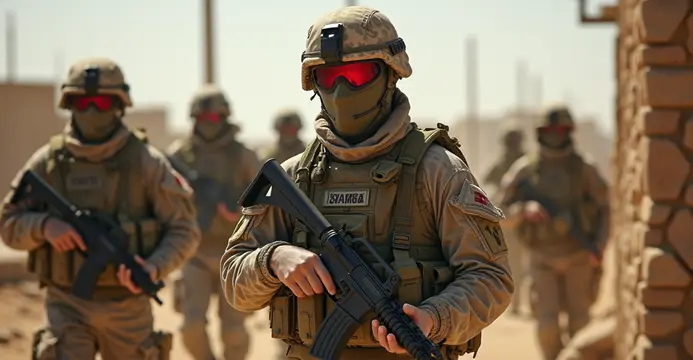
Western nations continue to conduct patrols in parts of Syria that IS controlled until 2019. The Guardian reported that this strike represents ongoing efforts to prevent the terrorist group from regaining momentum in the Middle East.
French participation in the operation marks continued European involvement in counter-terrorism efforts in Syria, though French authorities had not issued an official statement at the time of reporting.
Historical Significance of Palmyra
The targeted area holds particular historical significance. Palmyra, an ancient city and UNESCO World Heritage site, was captured by IS in 2015 and suffered extensive damage to its archaeological treasures before being liberated in 2017. The terrorist group's presence in the region has been a persistent concern for both cultural preservation and regional security.
According to Wikipedia, IS occupied significant territory in Iraq and Syria between 2013-2019, proclaiming itself a worldwide caliphate and committing numerous atrocities before being militarily defeated. The group has since reverted to insurgency tactics from remote hideouts.
Future Implications
Security analysts suggest this strike demonstrates Western powers' commitment to preventing IS from reestablishing territorial control. 'This coordinated action sends a clear message that the international community remains vigilant against terrorist threats in the region,' commented Middle East security expert Dr. Sarah Jenkins.
The operation also highlights the evolving nature of counter-terrorism efforts, with increased emphasis on precision strikes against specific targets rather than large-scale military engagements. All aircraft involved in Saturday's operation returned safely to their bases.
As IS continues to adapt its tactics, Western nations face the ongoing challenge of balancing military intervention with diplomatic efforts to stabilize the region. This latest strike represents both a tactical success and a strategic statement about continued Western engagement in Middle Eastern security matters.