Deutsch
 English
 Español
 Français
 Nederlands
 Português






Latest Attack Claims Two Lives as Controversial Campaign Continues
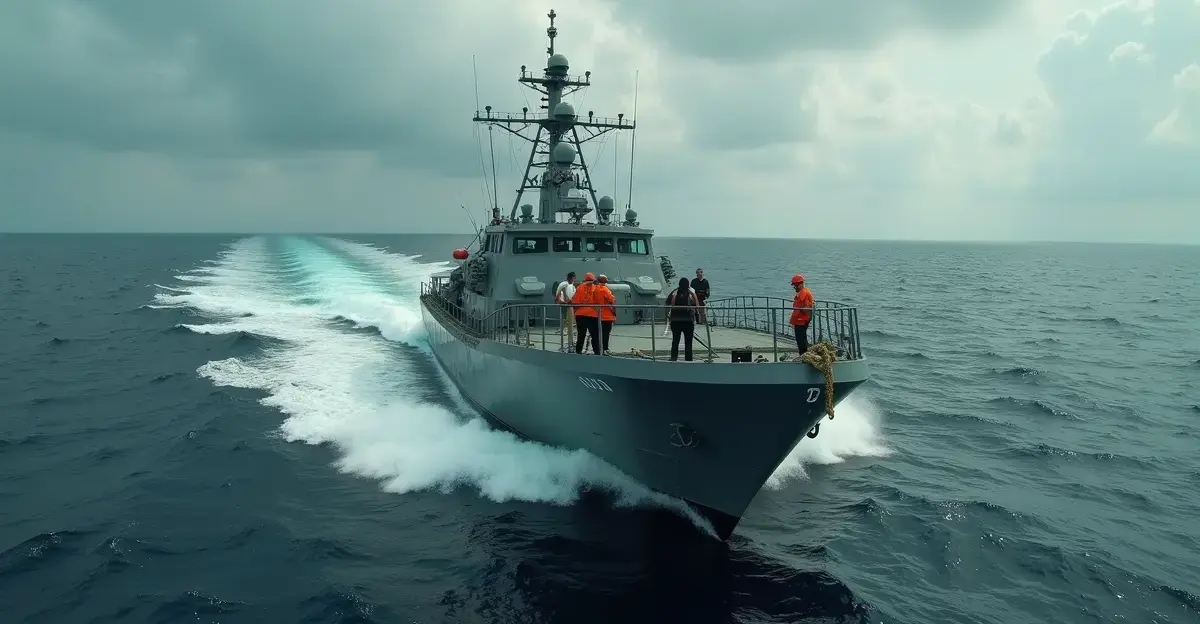
The United States military has conducted another lethal strike against an alleged drug trafficking vessel in the eastern Pacific Ocean, killing two people and bringing the total death toll from these controversial operations to at least 107. The December 29, 2025 attack marks the latest escalation in Operation Southern Spear, a military campaign that has transformed traditional drug interdiction into what critics call an unlawful armed conflict.
The Attack and Official Justification
According to U.S. Southern Command, the strike targeted a vessel 'operated by Designated Terrorist Organizations in international waters' that was 'transiting along known narco-trafficking routes in the Eastern Pacific.' The military released a brief video showing the attack, stating that 'two male narco-terrorists were killed' and no U.S. forces were harmed.
Secretary of War Pete Hegseth, who has been directing these operations, defended the strike as necessary to combat drug trafficking. 'We will continue to take decisive action against those who threaten American communities with deadly narcotics,' Hegseth stated in a recent briefing.
However, the Trump administration has yet to provide concrete evidence that the targeted vessels were actually involved in drug smuggling. As one congressional aide, speaking on condition of anonymity, told reporters: 'We've seen intelligence briefings, but the connections between these boats and actual drug shipments remain circumstantial at best.'
Operation Southern Spear: A New Military Approach
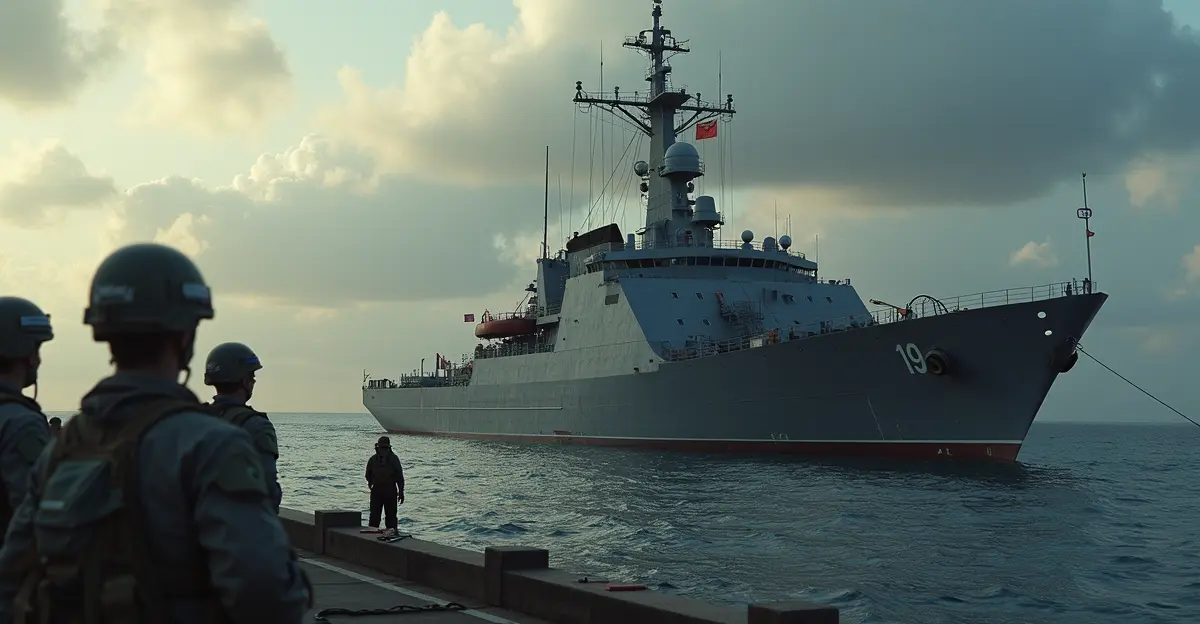
Operation Southern Spear represents a significant shift in U.S. counter-narcotics policy. What began as a Navy initiative in January 2025 to deploy 'robotic and autonomous systems' for surveillance has evolved into a full-scale military campaign involving lethal strikes. According to the Wikipedia entry on the operation, the campaign aims to 'detect, disrupt, and degrade transnational criminal and illicit maritime networks.'
The operation has expanded dramatically since September 2025, with strikes now occurring in both the Caribbean and eastern Pacific. The U.S. has designated several Latin American criminal groups as terrorist organizations, including Venezuela's Tren de Aragua and Colombia's National Liberation Army, providing legal justification for military action under the administration's interpretation of counter-terrorism authorities.
Mounting Criticism and Legal Concerns
The strikes have drawn condemnation from multiple fronts. United Nations High Commissioner for Human Rights Volker Türk has been particularly vocal, stating that the attacks violate international human rights law. 'These lethal attacks amount to extrajudicial killing,' Türk said in October 2025, calling for their immediate cessation.
Human Rights Watch has echoed these concerns, with their senior researcher noting: 'The U.S. is bypassing normal law enforcement procedures and conducting what appear to be summary executions on the high seas. This sets a dangerous precedent for how nations can act against suspected criminals.'
Legal experts question whether the U.S. has the right to use military force against these vessels under international law. The administration claims it's engaged in a 'non-international armed conflict' with drug cartels, but many international law scholars dispute this characterization. As noted in a Just Security analysis, these operations 'deviate from normal maritime law enforcement practices' and raise serious questions about presidential authority.
Regional Tensions and Political Context
The strikes occur against a backdrop of heightened tensions between the U.S. and Venezuela. The Trump administration has designated the Maduro government as a Foreign Terrorist Organization and has expanded military pressure in the region. Some analysts believe that removing Nicolás Maduro from power is an unstated objective of Operation Southern Spear.
Regional governments have expressed alarm at the U.S. actions. Colombia, despite being a traditional U.S. ally, has accused the U.S. of 'extrajudicial murder,' while Venezuela has denounced the strikes as 'imperial aggression.' Mexico has also voiced concerns about the precedent being set for military intervention in what have traditionally been law enforcement matters.
Domestically, the operations have faced scrutiny from Congress. The Republican-controlled Senate has twice rejected resolutions to limit Trump's authority to continue these military actions, but bipartisan concern is growing. Democratic Senator Elizabeth Warren recently stated: 'The president cannot unilaterally declare war on drug traffickers. These strikes require congressional authorization and proper oversight.'
The Human Cost and Future Implications
With at least 107 people killed in approximately 30 strikes since September, the human cost of Operation Southern Spear continues to rise. The administration has provided limited information about the victims, typically referring to them as 'narco-terrorists' without offering identification or evidence of their alleged crimes.
As the campaign enters 2026, questions remain about its effectiveness in reducing drug flows to the United States and its long-term implications for international law. The transformation of drug interdiction from a law enforcement operation to a military campaign represents what one former State Department official called 'a fundamental shift in how America confronts transnational crime—with potentially far-reaching consequences for global norms and U.S. foreign policy.'
The latest strike suggests the administration has no intention of scaling back these operations despite mounting criticism. With the death toll now exceeding 100 and legal challenges mounting, Operation Southern Spear appears poised to remain a contentious feature of U.S. foreign policy in the Western Hemisphere.