


 Deutsch
 English
 Español
 Français
 Nederlands
 Português


 Share
Share




Deadly Attacks Rock Colombia's Security Forces
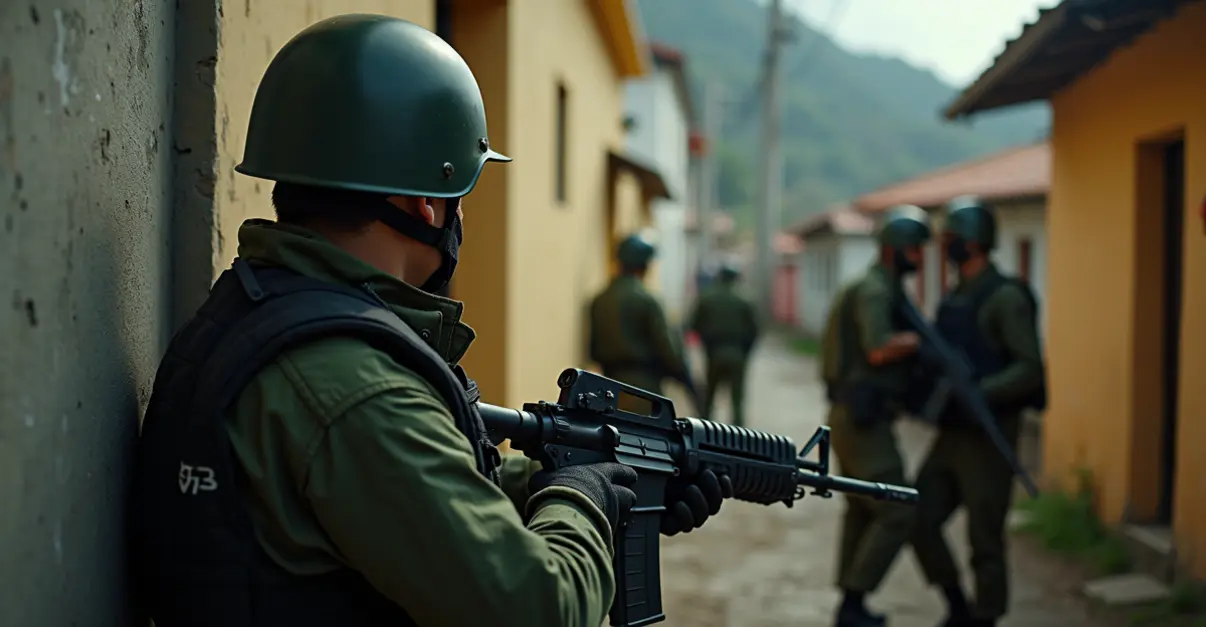
In a devastating series of coordinated attacks, at least eighteen people have been killed and dozens injured in assaults on Colombian security forces. The attacks targeted a police helicopter and a military flight school, marking one of the most significant security challenges for President Gustavo Petro's administration.
Helicopter Attack in Antioquia
Twelve police officers lost their lives when their helicopter was attacked by a drone while en route to destroy coca leaf plantations in northern Antioquia department. According to Governor Andrés Julián, the drone strike caused a fire that led to the aircraft's crash. The mission was part of ongoing efforts to combat drug production in the region.
Military School Bombing in Cali
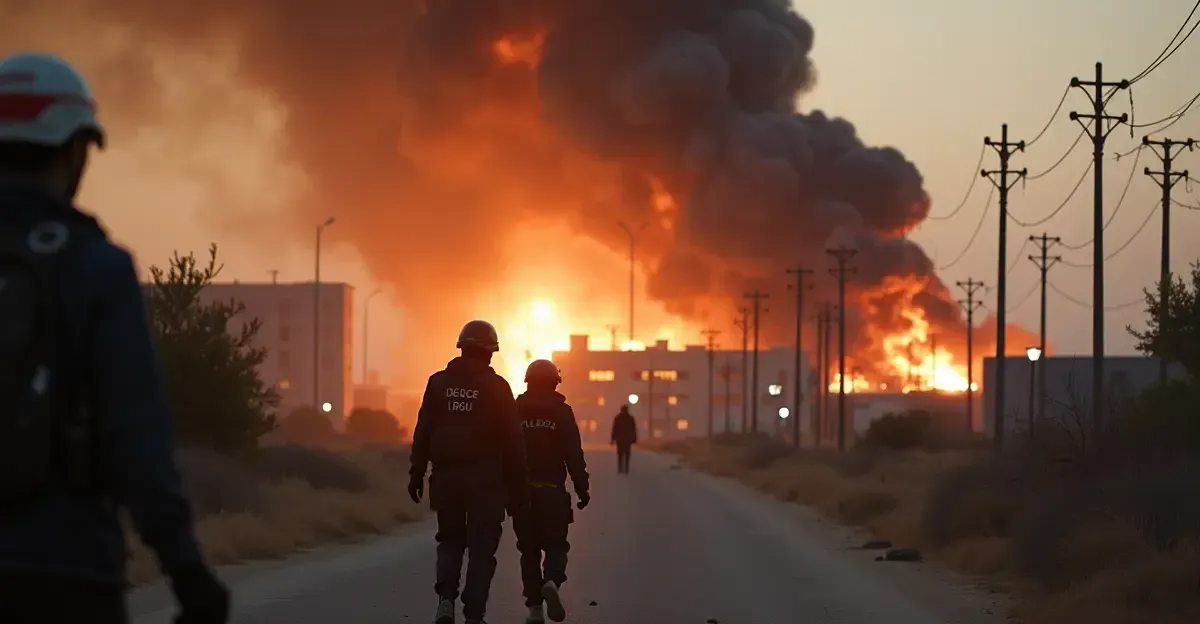
Hours later, a truck loaded with explosives detonated outside a military flight school in Cali, killing six people and injuring over seventy. The explosion caused significant damage to the facility and surrounding areas, with emergency services working throughout the night to rescue survivors.
Attribution and Political Response
President Petro initially attributed the helicopter attack to the notorious Gulf Clan drug cartel, suggesting it was retaliation for recent cocaine seizures. However, he later stated that both attacks were carried out by FARC dissidents—former guerrillas who rejected the 2016 peace agreement. Both groups maintain strong presence in Antioquia and are heavily involved in drug trafficking operations.
Background: Ongoing Conflict
Colombia continues to face security challenges from various armed groups despite the historic peace agreement with FARC. Dissident factions and drug cartels have filled power vacuums in remote regions, maintaining control through violence and drug production. The government's efforts to combat these groups have been complicated by their adaptation to new technologies, including drone warfare.
International Concerns
The attacks have raised concerns about regional stability and the effectiveness of counter-narcotics operations. Colombia remains one of the world's largest cocaine producers, and violence linked to drug trafficking continues to challenge security forces despite decades of U.S.-backed initiatives like Plan Colombia.
Follow Discussion