


 Deutsch
 English
 Español
 Français
 Nederlands
 Português


 Share
Share




The 2025 Global Shipping Crisis: How Geopolitical and Climate Pressures Are Reshaping Global Trade
The global shipping industry faces unprecedented volatility in 2025 as simultaneous geopolitical conflicts, climate disruptions, and trade policy shifts converge to create the most severe supply chain crisis since the COVID-19 pandemic. With the Red Sea shipping corridor disrupted by ongoing conflicts, the Panama Canal suffering from severe drought restrictions, and a 20% shift in manufacturing away from China accelerating, companies worldwide are forced to fundamentally rethink their logistics strategies. This perfect storm of challenges has created 10-15 day route extensions around Africa, equipment shortages, and severe port congestion in key hubs like Singapore and Rotterdam, threatening global economic stability and inflation pressures.
What is the 2025 Global Shipping Crisis?
The 2025 global shipping crisis represents a convergence of three major disruptions affecting maritime trade: geopolitical conflicts in the Red Sea region, climate-induced restrictions at the Panama Canal, and strategic manufacturing shifts away from China. This triple threat has created what experts call the most complex supply chain environment in decades, with global port congestion reaching crisis levels in June 2025, reporting delays surging 300% above normal. The crisis affects approximately 12% of global trade that typically transits through the Suez Canal and 5% through the Panama Canal, creating ripple effects across all major shipping lanes.
Geopolitical Disruptions: The Red Sea Crisis
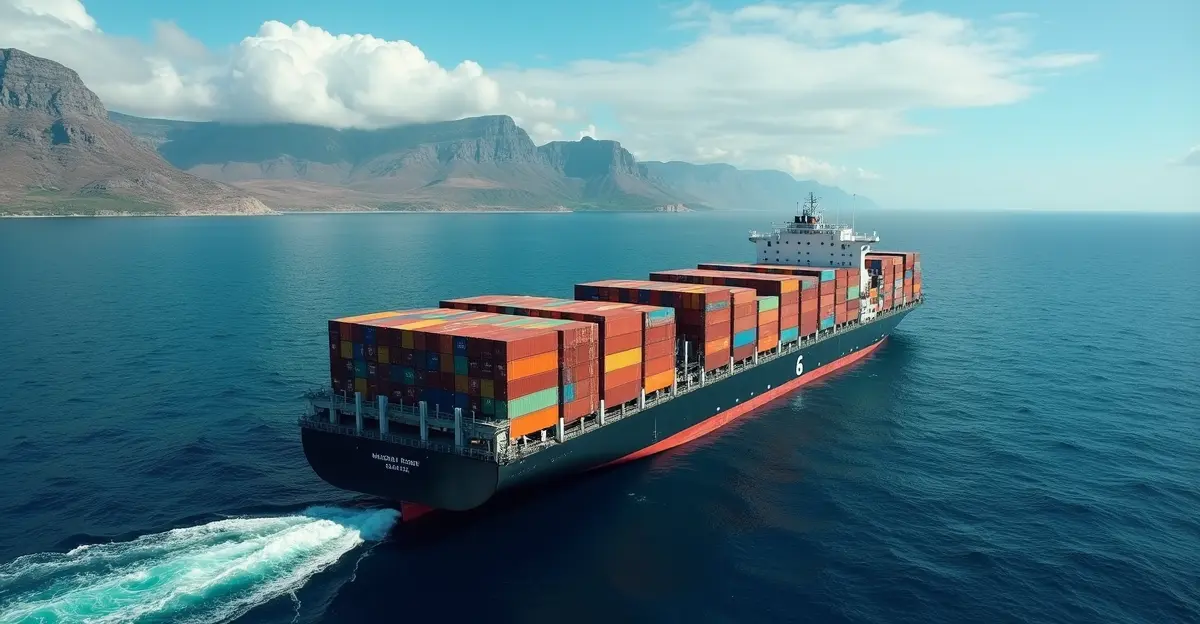
The Red Sea shipping corridor, a critical maritime route connecting Europe and Asia via the Suez Canal, has become a flashpoint for global trade disruption. Since November 2023, over 190 Houthi attacks have forced major shipping companies to reroute vessels around Africa's Cape of Good Hope, adding 10-14 days to Asia-Europe journeys. This has caused a dramatic 57.5% reduction in Suez Canal traffic, forcing 80% of container ships to take the longer route around Africa.
Economic Impact of Route Diversions
The rerouting around Africa adds approximately $1 million in extra costs per voyage, with fuel costs increasing by 40-50%. Shipping companies face operational challenges that mirror those seen during the COVID-19 supply chain crisis, but with added geopolitical complexity. The extended transit times have created equipment shortages as containers remain in transit longer, while insurance premiums for vessels traveling through the region have skyrocketed. This situation has prompted international naval coalitions like Operation Prosperity Guardian and Operation Aspides to form, though attacks persist, highlighting the vulnerability of major maritime chokepoints.
Climate Pressures: Panama Canal Drought Restrictions
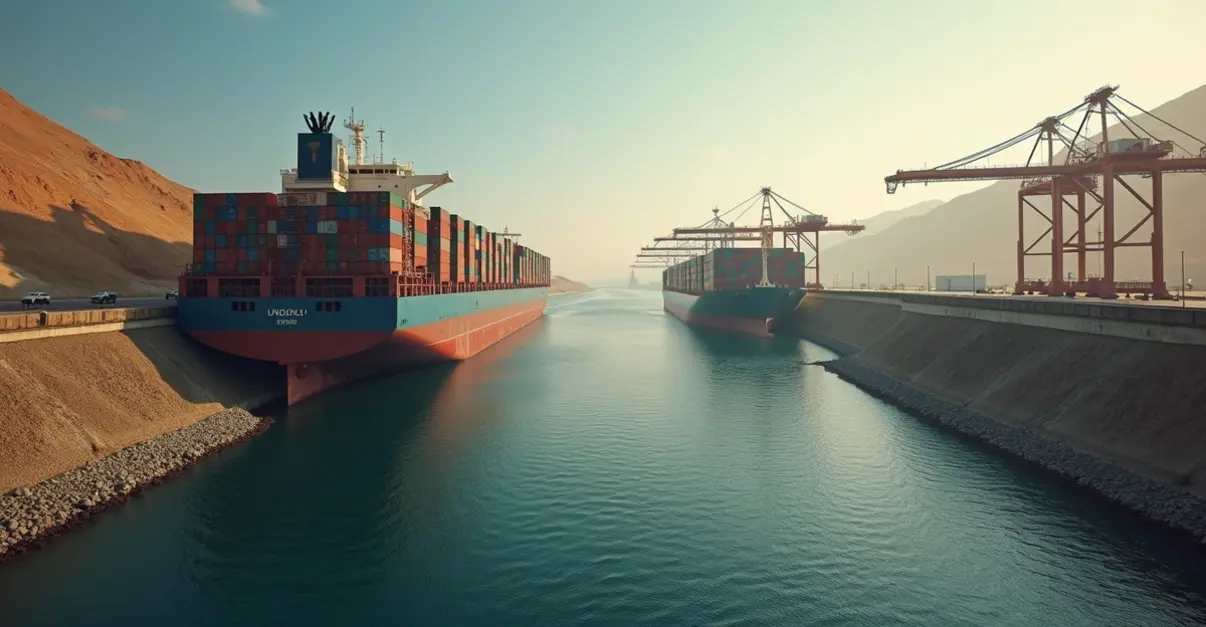
Simultaneously, the Panama Canal faces its most severe drought since 2016, with climate-driven dry seasons reducing water levels in Lake Gatun to critical lows. The canal authority has implemented significant restrictions: vessel draft limits reduced to 44.0 feet (from 45.5 feet), daily transits cut from 23 to just 14 slots, and cargo load limits imposed. These measures have caused severe congestion with vessel queues peaking at 162 ships and 20+ day wait times.
Long-term Climate Implications
According to research from Northeastern University, the Panama Canal faces increasing vulnerability to drought due to climate change. Under high greenhouse gas emission scenarios, Panama will experience reduced rainfall and increased evaporation, leading to more frequent and severe water shortages. The canal handles $270 billion in annual cargo, with U.S. trade representing 73% of traffic, making these disruptions particularly impactful for North American supply chains. The restrictions are expected to persist through late 2025, testing global supply chain resilience and prompting companies to diversify routes and increase transshipment capacity.
Manufacturing Shifts: The 20% Move Away from China
Compounding these logistical challenges, multinational corporations are implementing aggressive 'China Plus One' strategies, with approximately 20% of manufacturing capacity shifting away from China in 2025. This strategic transformation aims to enhance supply chain resilience, reduce geopolitical risks, and lower operational costs. Major companies leading this transition include Apple, which increased iPhone production in India with 76% year-on-year export growth to the U.S., and HP Inc., planning to manufacture 90% of North American products outside China by year-end.
Emerging Manufacturing Hubs
Key emerging manufacturing destinations include Mexico (leveraging proximity and USMCA benefits), Vietnam (with competitive labor and free trade agreements), and India (leveraging skilled workforce and government incentives). This diversification creates new shipping patterns and logistics challenges, as companies must establish supply chains in regions with varying infrastructure capabilities. The shift represents a fundamental rethinking of global manufacturing strategies that began during the 2021-2023 supply chain crisis but has accelerated dramatically in 2025.
Port Congestion and Equipment Shortages
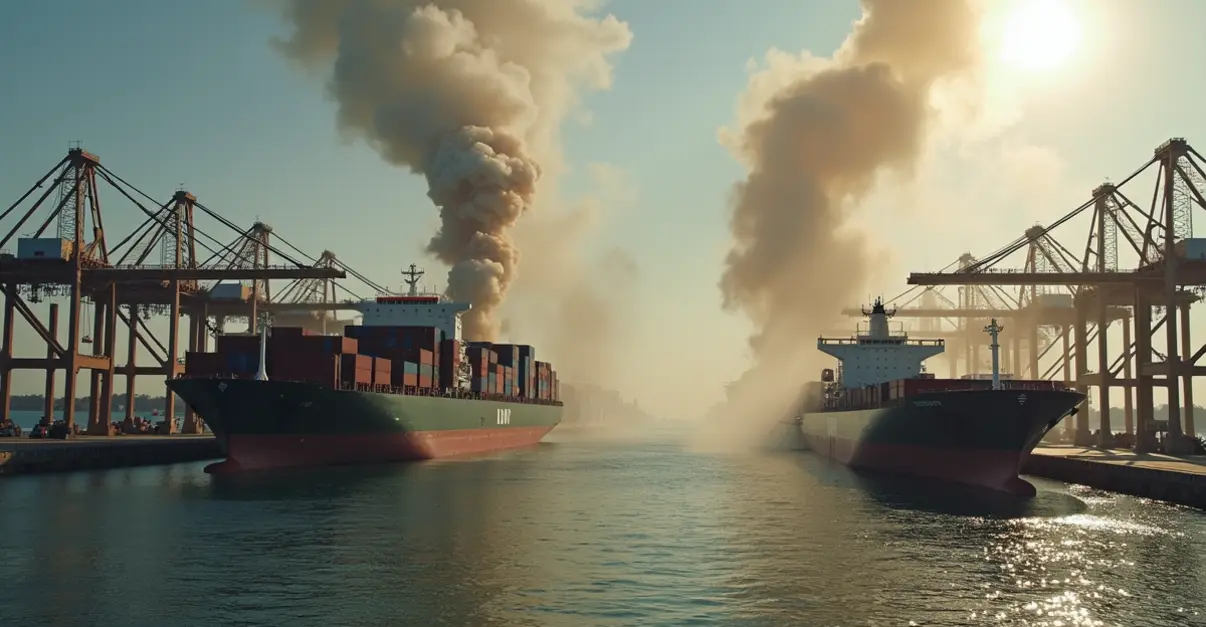
The convergence of these pressures has created severe bottlenecks at major global ports. In June 2025, 96% of major container ports reported operational disruptions, with critical hubs like Rotterdam, Cape Town, and Singapore experiencing extreme delays of 6-10+ days. Singapore faces 4-6 day delays with yard congestion at 85% capacity, while Rotterdam has reached 9.1-day dwell times with vessels waiting up to a week for berths.
Economic Consequences
The port congestion crisis has significant economic implications: demurrage charges of $75-$300 per container daily, trade losses in the multimillions, and supply chain disruptions forcing retailers to add 3-5 weeks of buffer stock. Only 58.7% of global vessels are arriving on time - the lowest reliability in two years. This situation has created equipment shortages as containers remain stuck in transit or at congested ports, further exacerbating the crisis.
Strategic Implications for Global Trade
The 2025 shipping crisis is forcing companies to fundamentally rethink their sourcing strategies, inventory management, and logistics partnerships. The traditional just-in-time manufacturing model, already strained during previous crises, is proving particularly vulnerable to these extended disruptions. Companies are implementing several strategic responses:
- Diversified Routing: Developing backup routing plans and utilizing alternative ports
- Inventory Buffering: Increasing safety stock from weeks to months of inventory
- Nearshoring Acceleration: Shifting production closer to end markets
- Technology Investment: Implementing AI-driven forecasting and real-time tracking systems
- Partnership Reevaluation: Developing deeper relationships with logistics providers
Expert Perspectives on the Crisis
Supply chain experts warn that the 2025 crisis represents a structural shift rather than a temporary disruption. 'We're witnessing the most complex convergence of challenges in modern shipping history,' notes one industry analyst. 'The combination of geopolitical instability, climate impacts, and manufacturing relocation creates a perfect storm that requires fundamental rethinking of global logistics strategies.' The crisis has prompted calls for greater investment in supply chain resilience and diversification, with particular focus on building redundancy into critical shipping routes.
FAQ: 2025 Global Shipping Crisis
What is causing the 2025 shipping crisis?
The crisis results from three simultaneous pressures: geopolitical conflicts in the Red Sea forcing route diversions, severe drought at the Panama Canal restricting transits, and a 20% manufacturing shift away from China creating new logistics patterns.
How long will shipping delays last?
Most experts predict disruptions will persist through late 2025, with Panama Canal restrictions expected to continue and Red Sea tensions showing no immediate resolution. Companies should plan for extended transit times through at least 2026.
What are the cost impacts for consumers?
Shipping costs have increased 12-15% globally, with specific routes seeing 40-50% fuel cost increases. These costs typically translate to 3-7% price increases for consumer goods, contributing to ongoing inflation pressures.
Which industries are most affected?
The automotive, electronics, and retail sectors face the most severe impacts due to their reliance on just-in-time manufacturing and complex global supply chains. Energy shipments through the Panama Canal have also been significantly disrupted.
What strategies can companies implement?
Companies should diversify shipping routes, increase inventory buffers, accelerate nearshoring initiatives, invest in supply chain visibility technology, and develop stronger logistics partnerships to build resilience.
Future Outlook and Conclusion
The 2025 global shipping crisis represents a watershed moment for international trade, exposing vulnerabilities in global supply chains that have developed over decades of optimization for efficiency over resilience. As climate change continues to impact critical waterways and geopolitical tensions persist in key shipping corridors, companies must adopt more flexible, diversified approaches to logistics. The crisis has accelerated trends toward regionalization, inventory buffering, and technology adoption that will likely define global trade for years to come. While challenging in the short term, these disruptions may ultimately lead to more resilient, sustainable supply chains better equipped to handle future uncertainties.

Follow Discussion