


 Deutsch
 English
 Español
 Français
 Nederlands
 Português


 Share
Share




Red Sea Shipping Insurance Crisis Hits Global Trade
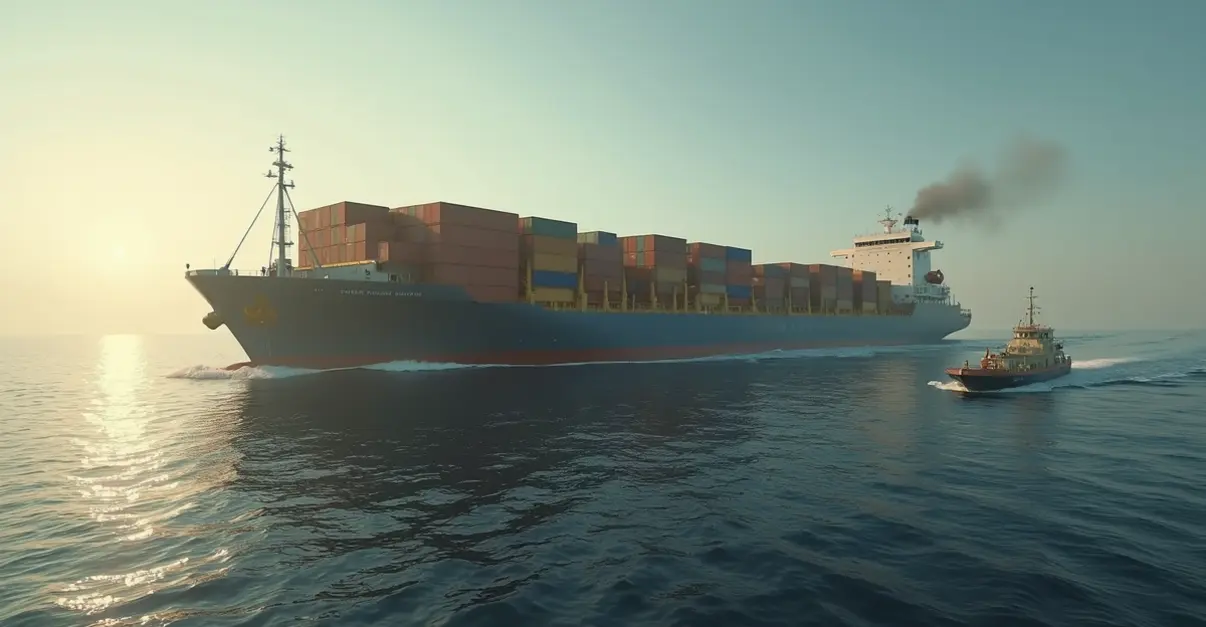
The vital Red Sea shipping corridor, which handles approximately 12% of global trade, has become a flashpoint for maritime security concerns, triggering a dramatic surge in insurance premiums that's sending shockwaves through global supply chains. Following renewed attacks by Houthi rebels in Yemen, war-risk insurance rates have jumped from 0.2-0.3% to about 1% of a ship's value, returning to levels last seen during the peak of regional tensions about a year ago.
Escalating Threats and Insurance Response
The Bab el-Mandeb Strait, the narrow 26-kilometer passage connecting the Red Sea to the Gulf of Aden, has become increasingly dangerous for commercial shipping. Recent attacks that sank two cargo ships and killed sailors have forced marine insurers to reclassify the region as a high-risk war zone. 'We're seeing underwriter concerns about dangers in this crucial waterway linking Europe and Asia reach levels not witnessed in over a year,' says maritime insurance analyst Sarah Chen from Insurance Journal.
The Houthi militant group, which controls parts of Yemen, began targeting commercial vessels in November 2023 in response to Israel's war in Gaza. Their campaign has intensified in 2025, with ships associated with the US, UK, Israel, or previous targeting facing even higher insurance costs. 'The attacks have significantly increased maritime security risks in the region, prompting insurers to raise rates substantially,' notes a Reuters report from July 2025.
Impact on Shipping Companies and Global Trade
Major shipping companies like Maersk and MSC are facing difficult choices: pay the soaring insurance premiums or reroute vessels around Africa's Cape of Good Hope. The detour adds 1-2 weeks to transit times and increases sailing distances by over 25%, creating a cascade of economic consequences. Shipping rates on Asia-Europe routes have doubled or tripled compared to early 2023, with additional costs from higher fuel consumption and carrier surcharges.
'This has forced shipping companies to either pay substantially higher insurance costs or reroute vessels around Africa, adding significant time and expense to global supply chains,' reports the Financial Times. The disruptions have evolved from a regional security threat into a structural shock reshaping global trade patterns.
Broader Economic Consequences
The insurance surge is creating ripple effects across multiple sectors. Retailers face extended lead times and volatile freight budgets, automotive manufacturers struggle with just-in-time component deliveries, and energy markets experience price volatility. According to Economic Lens, 'Red Sea shipping disruptions have evolved from a regional security threat into a structural shock reshaping global trade, freight costs, and inflation.'
Manufacturers are reassessing just-in-time supply models and accelerating efforts to diversify suppliers and increase inventory buffers. The crisis highlights how geopolitical risk has become a constant variable in global trade, forcing supply chains to prioritize resilience over efficiency even at higher costs.
Long-term Implications and Industry Response
The situation represents a fundamental shift in how maritime insurance and shipping routes are evaluated. 'We're witnessing a regime shift where freight rates now reflect security risk rather than pure demand cycles,' explains trade economist Michael Rodriguez. The disruptions are unlikely to reverse quickly as risk perception has permanently shifted, creating a new logistics equilibrium where security now defines trade routing rather than efficiency alone.
Companies are increasingly considering nearshoring and dual sourcing initiatives to build resilience against future disruptions. Some are exploring alternative routes, including increased use of air cargo and rail options, though these come with their own cost implications. The insurance industry itself is adapting with more sophisticated risk assessment models that account for geopolitical volatility in key maritime chokepoints.
The Red Sea insurance crisis serves as a stark reminder of how interconnected global trade remains vulnerable to regional conflicts. As shipping companies navigate these treacherous waters—both literally and financially—the entire global economy feels the impact of decisions made in boardrooms and insurance offices thousands of miles away from the actual conflict zone.


Follow Discussion