


 Deutsch
 English
 Español
 Français
 Nederlands
 Português


 Share
Share




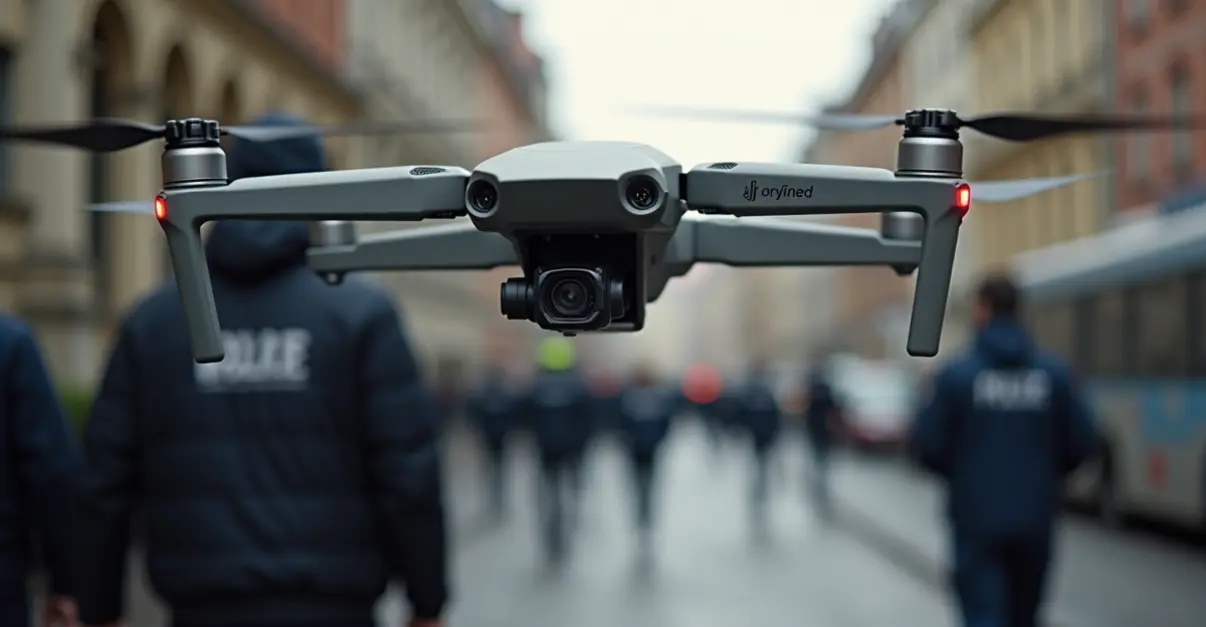
Dutch police will expand drone traffic enforcement nationwide after a successful Amsterdam pilot that targeted serious violations such as ignoring red cross signals and reversing on motorways. The Public Prosecution Service has approved the method, meaning aerial surveillance could soon monitor roads across the country.
What is drone traffic enforcement?
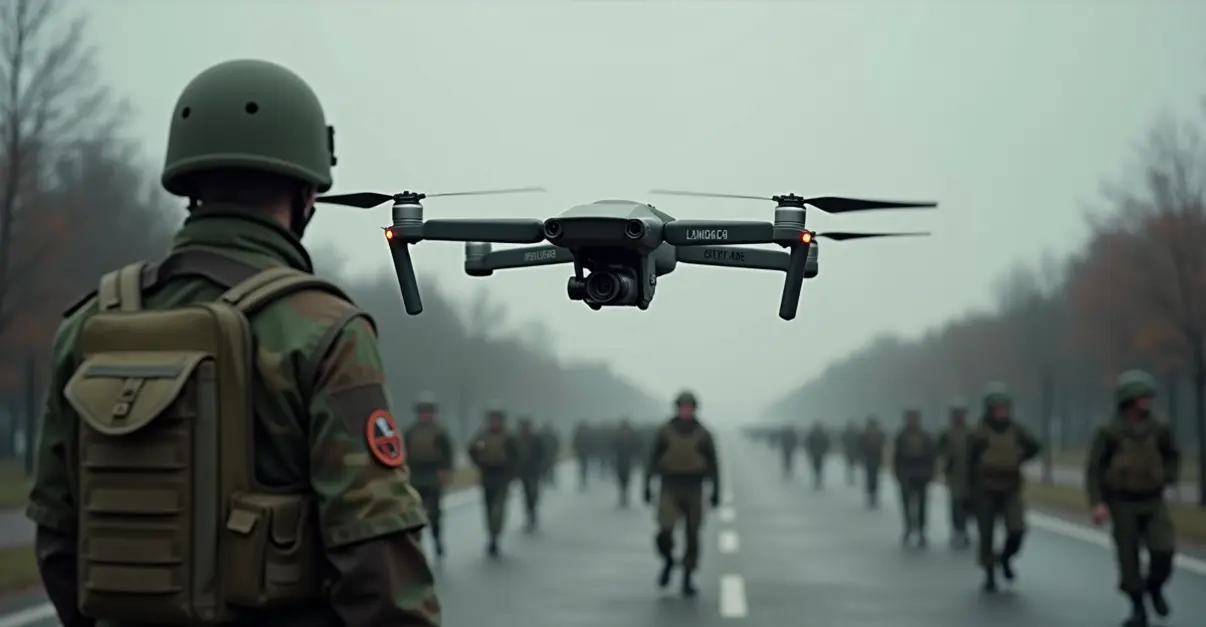
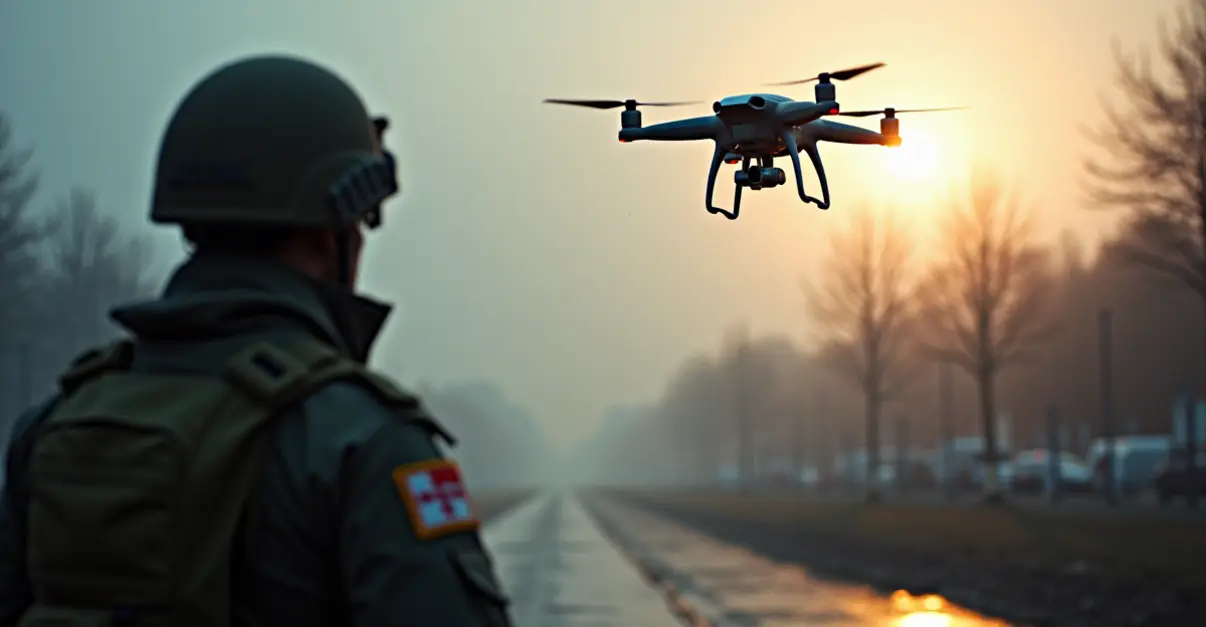
Drone traffic enforcement uses unmanned aerial vehicles equipped with high-resolution cameras and optical zoom to detect road offences from the air. Instead of relying on officers at the roadside, police pilots monitor traffic from kilometres away, photograph violations and attach the footage to a formal report. The nationwide rollout builds on earlier Dutch police drone surveillance pilots near the Belgian border, where aerial units monitored motorists visiting fireworks stores.
How the Amsterdam pilot worked
The Amsterdam trial involved a large drone operated by two pilots. One controlled the drone's movement while the other operated the camera. "It is a big drone, that gives more risk," said pilot Giovanni. "My colleague handles the drone and its movements, and I operate the camera. I have to make sure the violations are captured properly."
A violation is photographed only when the pilot personally sees it happen. This mirrors existing rules: an officer or Rijkswaterstaat inspector must also witness an offence before a fine can be issued. Unlike fixed roadside speed cameras, the drone method requires a human pilot to directly witness each offence before enforcement.
Which violations will drones target?
- Ignoring a red cross (lane closure signal)
- Reversing on a motorway
- Crossing hatched markings or gore areas
Why police say drones are needed
According to Tine Polmans of Amsterdam traffic police, red crosses are frequently ignored. "Now officers who, for example, provide assistance after an accident are also burdened with ticketing drivers who do that. By deploying a drone, emergency responders on location no longer have to deal with that," she explained.
The drone's bird's-eye view lets police reach locations needing oversight much faster than patrol cars or foot patrols, improving enforcement speed and flexibility in high-violation areas.
Privacy concerns and criticism
The new approach was announced on Instagram with the slogan "Jij ziet ons niet, wij jou wel" (You don't see us, we see you), drawing hundreds of reactions. Some praised the initiative, but others used terms like "police state", "worrying" and "Big Brother is watching us".
Polmans rejected that characterisation. "That is not correct. We only keep an eye on you if you actually commit a violation," she said, adding that people who follow the rules are not recorded. Drone pilot Giovanni agreed: "If you follow the rules, you have nothing to worry about."
Impact for Dutch drivers
The Amsterdam pilot has been completed and declared successful, and the Public Prosecution Service has approved the method for national use. Drivers should expect increased aerial monitoring on Dutch motorways, particularly around accident scenes and lane closures. The decision aligns with high-tech law enforcement trends across Europe, where congested urban areas are reducing the effectiveness of traditional patrols.
Motorists can avoid fines by strictly observing red cross signals, staying in lane and never reversing on a motorway. Because drones can operate discreetly from long distances, violations previously missed by ground patrols are now more likely to be caught.
FAQ
Are Dutch police drones legal for traffic enforcement?
Yes. The Dutch Public Prosecution Service has approved the drone method after the Amsterdam pilot, allowing its use nationwide.
What violations can police drones detect?
Drones focus on serious offences such as ignoring red cross signals, reversing on motorways and crossing hatched markings.
Do I need to worry if I follow traffic rules?
No. Police say they only record drivers who actually commit a violation. Law-abiding motorists are not photographed.
Can drone footage be used as evidence?
Yes. Photographs taken by the drone are added to the official police report and can be used in prosecution.
Where will drones be deployed next?
The method has been approved nationwide, with deployment expected in high-traffic, high-violation areas across the Netherlands.
Follow Discussion