
 Deutsch
 English
 Español
 Français
 Nederlands
 Português






EU Age Verification App Explained: Complete Guide to Europe's Child Safety Push
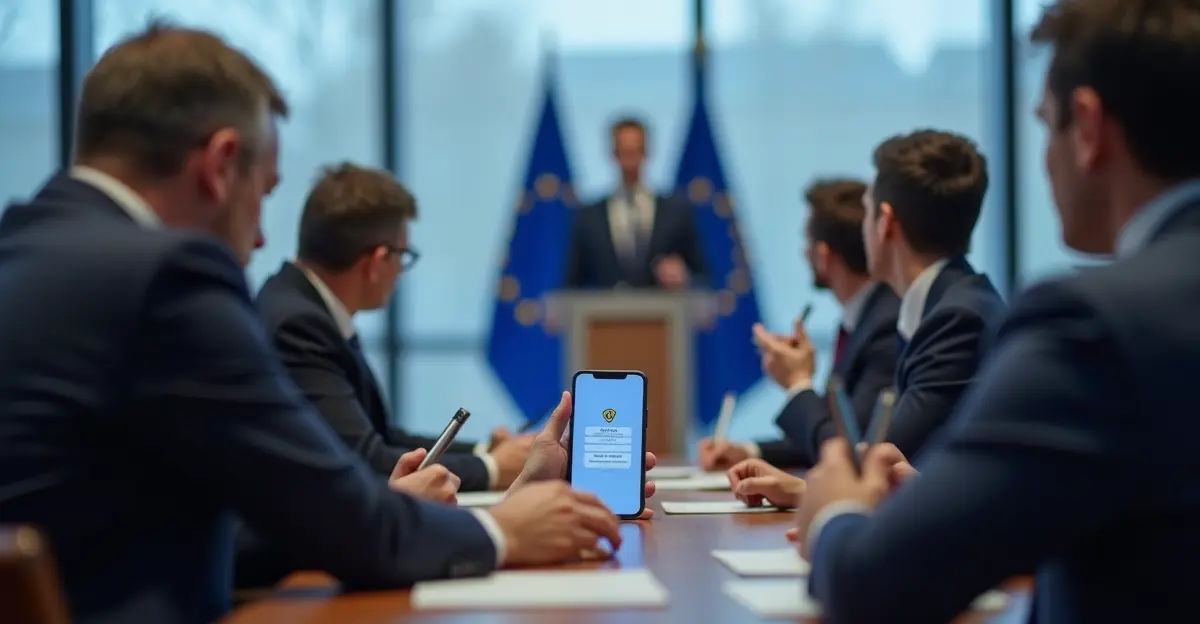
The European Commission has announced its groundbreaking age verification application is 'technically ready' for rollout, marking a significant milestone in the EU's efforts to create safer online environments for children. This comprehensive guide explores what the EU age verification app means for parents, platforms, and privacy in 2026.
What is the EU Age Verification App?
The EU age verification app represents a major technological advancement in child protection online. Unlike simple 'I am 18' click-through buttons that currently dominate adult websites, this new system requires actual proof of age through government-verified documents. European Commission President Ursula von der Leyen stated platforms now have 'no more excuses' for inadequate child protection measures.
The app uses zero-knowledge proof technology, a cryptographic method that allows users to verify their age without revealing any personal identity information to websites. This means platforms only receive confirmation that a user meets age requirements, without accessing names, addresses, or other sensitive data. The system builds on the same infrastructure used for EU digital identity wallets, creating a harmonized approach across member states.
How the Age Verification System Works
Technical Implementation
The verification process follows three simple steps:
- Users download the age verification app from their national provider or an EU-approved company
- They scan their passport, national ID card, or use other trusted verification methods (bank verification, school credentials)
- The app generates an anonymous proof of age that can be presented to websites requiring age verification
Seven EU countries have already piloted the system: France, Spain, Italy, Greece, Denmark, and others. These nations plan to integrate the technology into their national digital identity wallets, creating a seamless user experience similar to the COVID-19 vaccination certificate system.
Privacy Protection Features
The EU has emphasized privacy as a core design principle. The zero-knowledge proof technology ensures that:
- No personal data is shared with websites
- Age verification occurs locally on the user's device
- Platforms cannot track or profile users based on verification requests
- All cryptographic operations are transparent and auditable
Google recently open-sourced its zero-knowledge proof libraries to support this initiative, demonstrating how major tech companies are aligning with EU digital regulations.
Why Europe Needs Stronger Age Verification
The Current Problem
Current age verification methods on adult websites, social media platforms, and gambling sites are notoriously ineffective. Simple pop-up banners asking users to confirm they're over 18 provide virtually no protection for children. According to EU statistics:
- One in six children online experiences cyberbullying
- One in eight children engages in bullying others online
- Screen time for minors has reached unprecedented levels
- Exposure to harmful content increases with time spent online
European Commission President von der Leyen noted: 'Children have never spent so much time on their screens. The more time minors spend online, the greater the chance they will be exposed to harmful or illegal content.'
Legal Framework and Enforcement
The age verification app operates within the broader context of the Digital Services Act (DSA), which empowers the EU to:
- Investigate platforms for child protection failures (as seen with recent Snapchat investigations)
- Impose fines up to 6% of global turnover for violations
- Require platforms to implement effective age assurance measures
- Coordinate enforcement across member states
The app represents a 'minimum standard' rather than a mandatory requirement. Platforms can choose alternative verification methods, but they must demonstrate equivalent effectiveness. Those failing to protect children adequately face significant penalties under the DSA framework.
Implementation Timeline and Challenges
Rollout Schedule
The European Commission expects the first age verification apps to be available in pilot countries by the end of 2026. The rollout will proceed as follows:
| Phase | Timeline | Details |
|---|---|---|
| Technical Readiness | April 2026 | System declared technically ready |
| Pilot Integration | Mid-2026 | Seven countries integrate into national wallets |
| Full Availability | Late 2026 | Apps available to citizens across EU |
| Platform Compliance | 2027 | Major platforms expected to implement support |
Technical and Practical Challenges
Despite the technological readiness, several challenges remain:
- VPN Circumvention: Users can bypass verification by using VPN services to appear as if accessing from non-EU countries
- Shared Accounts: Minors could use accounts verified by adults
- Implementation Costs: Smaller platforms may struggle with integration costs
- User Adoption: Convincing users to download and use the app
The European Commission acknowledges these limitations but argues they're preferable to the current ineffective system. 'That is unavoidable,' officials stated regarding potential circumvention methods.
Broader EU Child Protection Initiatives
The age verification app is part of a comprehensive EU strategy to protect children online. Other initiatives include:
- Expert Panel on Social Media Age Limits: Convened by von der Leyen to recommend EU-wide minimum ages for social media access
- National Restrictions: France moving to ban social media for under-15s, Greece planning similar measures
- Platform Investigations: Ongoing DSA investigations into Snapchat, TikTok, and adult platforms
- Mobile Phone Bans: France implementing mobile phone bans in high schools
These measures reflect growing concern about the impact of social media on youth mental health, with research showing significant correlations between screen time and psychological well-being issues.
Frequently Asked Questions
Is the EU age verification app mandatory?
No, the app itself isn't mandatory for users. However, platforms must implement effective age verification methods, and the EU app provides a standardized, privacy-preserving option that meets DSA requirements.
How does the app protect my privacy?
The app uses zero-knowledge proof technology, meaning websites only receive confirmation that you meet age requirements without accessing any personal data. All verification occurs locally on your device.
When will the app be available in my country?
Seven pilot countries (France, Spain, Italy, Greece, Denmark, and others) will have access first in late 2026. Other EU member states will follow based on their national digital identity infrastructure readiness.
Can children still access adult content with VPNs?
Yes, technically savvy minors could use VPN services to bypass geographic restrictions. However, the EU considers this a limitation of any verification system rather than a fatal flaw.
What happens to platforms that don't implement proper age verification?
Platforms failing to protect children adequately face DSA investigations and potential fines up to 6% of their global annual turnover, along with requirements to implement effective measures.
Sources
European Commission Age Verification Blueprint
Politico EU: Age Verification App Technically Ready






Follow Discussion