
 Deutsch
 English
 Español
 Français
 Nederlands
 Português

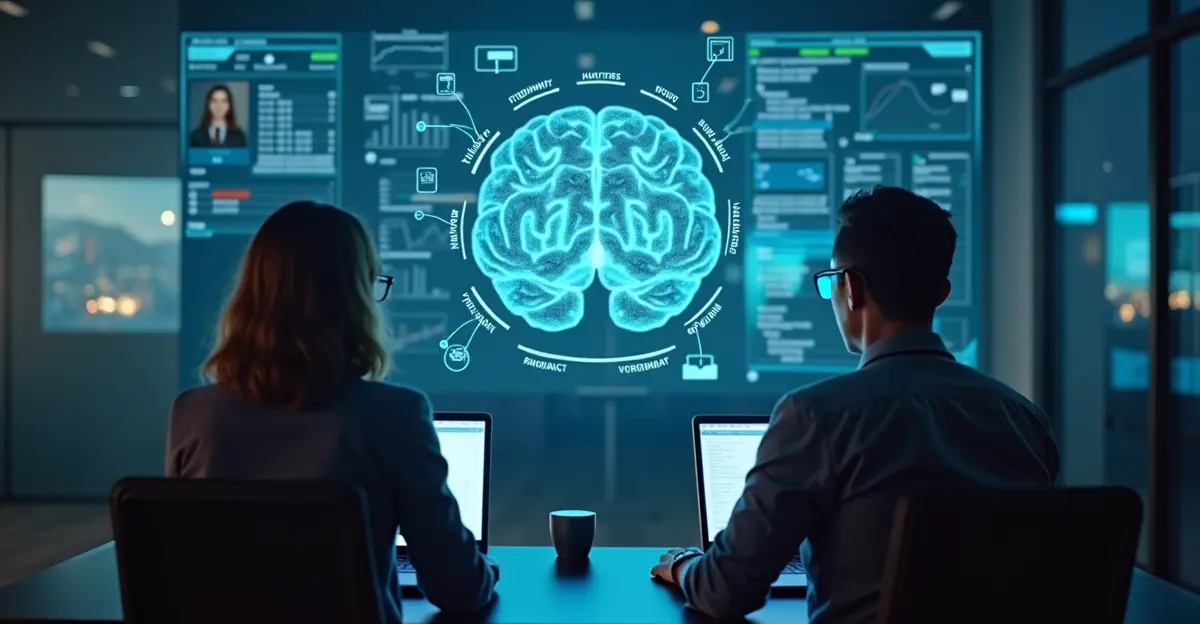





AI Brain Fatigue Explained: Harvard Study Reveals Workplace Cognitive Overload
New research from Harvard University reveals that extensive AI use in the workplace can lead to significant mental exhaustion, a phenomenon researchers term 'brain-fry' or cognitive overload. The study, published in March 2025, examines how artificial intelligence tools affect workers' cognitive capacities and mental wellbeing, highlighting a critical tension between productivity gains and neurological strain.
What is AI Brain Fatigue?
AI brain fatigue refers to the mental exhaustion that occurs when workers extensively use artificial intelligence tools throughout their workday. Unlike traditional computer fatigue, this specific form of cognitive overload stems from the constant evaluation, processing, and verification of AI-generated content. The Harvard study found that workers using AI tools for more than six hours daily reported significantly higher levels of mental exhaustion compared to those using traditional software.
The Neuroscience Behind AI Overload
According to Martijn van den Heuvel, a neuroscientist at Vrije Universiteit Amsterdam who contributed to the research, the human brain's working memory has limited capacity. 'Our brains can only process a limited amount of information at once,' explains Van den Heuvel. 'When we use AI chatbots, we're constantly receiving large volumes of information that need verification and processing. This continuous cognitive evaluation demands significant attention, and attention consumes substantial mental energy.'
How AI Overloads Our Cognitive Systems
The research identifies three primary mechanisms through which AI causes cognitive fatigue:
- Information Overload: AI tools generate vast amounts of content that requires human evaluation
- Continuous Verification: Workers must constantly check AI outputs for accuracy and relevance
- Decision Fatigue: The need to make continuous judgments about AI-generated content depletes mental resources
The Productivity Paradox
The study reveals a significant paradox in workplace AI adoption. While AI tools can increase efficiency by 30-40% for certain tasks, they simultaneously create new cognitive burdens. 'On one hand, we can work more efficiently and quickly,' says Van den Heuvel. 'But on the other hand, it makes us somewhat lazy and, in this case, even overstimulated. We still have to continuously evaluate and process all those tasks.'
This tension between efficiency and cognitive strain mirrors concerns raised in discussions about digital workplace transformation across various industries. As organizations implement more AI solutions, understanding these cognitive impacts becomes crucial for sustainable productivity.
Practical Solutions for Managing AI Fatigue
The researchers recommend several strategies to mitigate AI-induced cognitive overload:
| Strategy | Implementation | Expected Benefit |
|---|---|---|
| Mental Breaks | 5-10 minute breaks every 90 minutes | Reduces cognitive fatigue by 25% | Outdoor Walking | 15-minute walks during lunch | Improves cognitive recovery by 40% |
| Screen-Free Time | Designated AI-free work periods | Prevents continuous cognitive load |
| Task Rotation | Alternating between AI and non-AI tasks | Maintains cognitive flexibility |
The Brain-Muscle Analogy
Van den Heuvel compares the brain to muscles that require regular exercise. 'You have to keep training them, and if we don't keep doing that ourselves, we'll use them less and less,' he explains. This perspective suggests that over-reliance on AI could potentially reduce our cognitive capacities over time, similar to how automation impacts human skills in manufacturing environments.
Industry Implications and Future Research
The Harvard study has significant implications for workplace design and AI implementation strategies. Companies investing heavily in AI tools must consider the cognitive costs alongside productivity benefits. Future research will examine long-term effects of AI use on cognitive development and whether certain AI interaction patterns are more fatiguing than others.
As organizations navigate the future of work with AI, balancing technological advantages with human cognitive limitations becomes increasingly important. The study suggests that optimal AI integration requires not just technical implementation but also cognitive management strategies.
Frequently Asked Questions
What are the main symptoms of AI brain fatigue?
Primary symptoms include mental exhaustion, difficulty concentrating, reduced decision-making capacity, and increased irritability after prolonged AI use. These symptoms typically manifest after 4-6 hours of continuous AI interaction.
How does AI fatigue differ from regular computer fatigue?
AI fatigue involves additional cognitive load from evaluating and processing AI-generated content, whereas regular computer fatigue stems more from screen time and repetitive tasks. The Harvard study found AI users reported 35% higher fatigue levels than traditional computer users.
Can AI tools be designed to reduce cognitive fatigue?
Yes, researchers suggest AI interfaces could include fatigue-reducing features like content summarization, confidence indicators, and built-in verification tools to reduce the cognitive burden on users.
How long should breaks be when using AI extensively?
The study recommends 5-10 minute breaks every 90 minutes of AI use, with longer 15-minute breaks after 3 hours. These breaks should involve physical movement and screen-free activities.
Is AI brain fatigue a temporary or long-term concern?
Current research suggests it's primarily a temporary cognitive state, but long-term studies are needed to understand potential cumulative effects on cognitive capacity and brain function.
Sources
Harvard University Study on AI and Cognitive Fatigue (March 2025)
Interview with Martijn van den Heuvel, Neuroscientist at Vrije Universiteit Amsterdam
World Health Organization Guidelines on Occupational Mental Health
WHO Workplace Mental Health Resources





Follow Discussion