


 Deutsch
 English
 Español
 Français
 Nederlands
 Português


 Share
Share




What is the Smartphone Market Crisis?
The global smartphone market is facing an unprecedented crisis in 2026, with market research firm IDC forecasting a devastating 12.9% decline in shipments - the largest year-over-year contraction ever recorded. This smartphone market crisis stems from a severe memory chip shortage driven by explosive demand from artificial intelligence datacenters, creating what IDC research director Nabila Popal calls 'a crisis like no other.' The situation represents a fundamental shift in the semiconductor industry where AI infrastructure now commands priority over consumer electronics, threatening to reshape the entire smartphone landscape for years to come.
The Root Cause: AI Datacenters vs. Smartphone Production
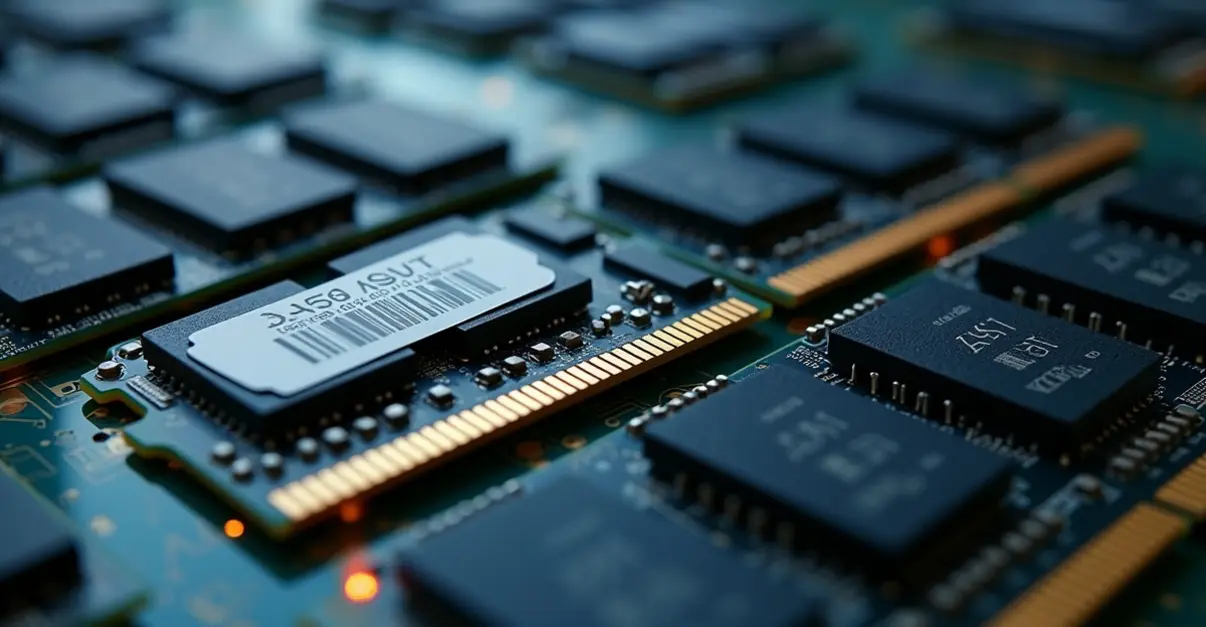
The core driver of this smartphone market crisis is a massive reallocation of memory chip production from consumer devices to AI infrastructure. High-bandwidth memory (HBM) and advanced server memory for AI datacenters are consuming manufacturing capacity that would normally supply smartphone RAM chips. According to IDC's analysis, memory manufacturers like Samsung, SK hynix, and Micron have deliberately shifted investments toward AI-oriented memory, creating what industry experts describe as a 'tsunami-like shock' in the memory supply chain.
How AI Demand is Starving Smartphone Production
The numbers tell a dramatic story: smartphone shipments are expected to plummet from 1.26 billion units in 2025 to just 1.1 billion in 2026 - a reduction of approximately 160 million devices. This shortage particularly affects cheaper smartphones, with the sub-$100 category potentially going extinct as manufacturers can't absorb higher component costs. The crisis has been building since late 2025 when AI companies began outbidding smartphone manufacturers for available memory, creating a supply/demand imbalance that shows no signs of immediate resolution.
Price Impact and Market Transformation
As supply dwindles, prices are skyrocketing. IDC projects average smartphone selling prices will rise 14% to a record $523 in 2026. 'The heffingen and the coronacrisis seem like a joke compared to this,' says Nabila Popal in an interview with Reuters. This price surge represents a fundamental market transformation where premium devices will see less impact but still face significant price increases, while budget smartphones may become permanently uneconomical.
Regional Impacts and Competitive Shifts
The smartphone market crisis will hit different regions unevenly. Emerging markets like the Middle East and Africa face the most severe impact with projected declines of 20.6% year-over-year. Meanwhile, larger players like Apple and Samsung are better positioned due to stronger supply chain integration and purchasing power, potentially allowing them to gain market share as smaller Android vendors struggle. This represents a significant competitive landscape shift in consumer electronics that could reshape the industry for years.
Timeline and Recovery Prospects
The smartphone market crisis isn't expected to resolve quickly. IDC warns that the situation won't improve until at least mid-2027, with memory prices unlikely to return to previous levels even then. For 2027, the firm projects modest 2% growth relative to 2026's depressed levels, followed by 5.2% growth in 2028. This extended timeline reflects the complex manufacturing processes for advanced memory chips and the strategic reallocation of silicon capacity toward AI infrastructure.
Long-Term Market Implications
Beyond immediate supply constraints, this smartphone market crisis signals a permanent shift in how memory resources are allocated. The AI industry's insatiable appetite for high-performance memory has created what analysts call a 'memory wall' - where powerful GPUs are bottlenecked by insufficient memory speeds and capacity. This structural change means that even when new fabrication plants come online in 2027-2028, prices may remain elevated, and the ultra-low-end smartphone segment that drove penetration in emerging markets may never recover.
Broader Industry Impact
The smartphone market crisis extends beyond phones themselves. The same memory shortage affecting smartphones is also impacting PC markets, gaming devices, and console hardware development. Worldwide PC shipments are expected to decline 11.3% in 2026, creating a parallel crisis in computing devices. This represents a broader global semiconductor supply chain disruption that affects multiple technology sectors simultaneously.
Frequently Asked Questions
What is causing the smartphone market crisis?
The crisis is driven by a severe memory chip shortage caused by explosive demand from AI datacenters. Memory manufacturers are prioritizing high-margin AI components over smartphone RAM chips, creating unprecedented supply constraints.
How long will the smartphone shortage last?
IDC projects the situation won't improve until at least mid-2027, with full recovery potentially extending into 2028. Memory prices are unlikely to return to pre-crisis levels even after supply improves.
Will smartphone prices continue to rise?
Yes, average smartphone prices are projected to increase 14% to $523 in 2026. The sub-$100 smartphone segment may become permanently uneconomical as manufacturers can't absorb higher component costs.
Which smartphone brands will be most affected?
Smaller Android vendors and budget smartphone manufacturers will be hardest hit. Larger players like Apple and Samsung have stronger supply chain relationships and purchasing power to secure limited chip allocations.
How does this compare to previous smartphone market downturns?
This crisis is more severe than previous tariff disputes or pandemic-related disruptions. IDC describes it as 'a crisis like no other' that will fundamentally reshape the market's size, pricing, and competitive landscape.

Follow Discussion