


 Deutsch
 English
 Español
 Français
 Nederlands
 Português


 Share
Share




Revolutionizing Public Transit for Riders with Disabilities
Public transportation systems across North America and Europe are rolling out groundbreaking accessibility features designed specifically for riders with limited mobility, marking a significant leap forward in inclusive urban mobility. These new systems leverage real-time data, AI technology, and direct feedback channels to create a more equitable transit experience for wheelchair users, seniors, and individuals with various mobility challenges.
Real-Time Accessibility Data Takes Center Stage
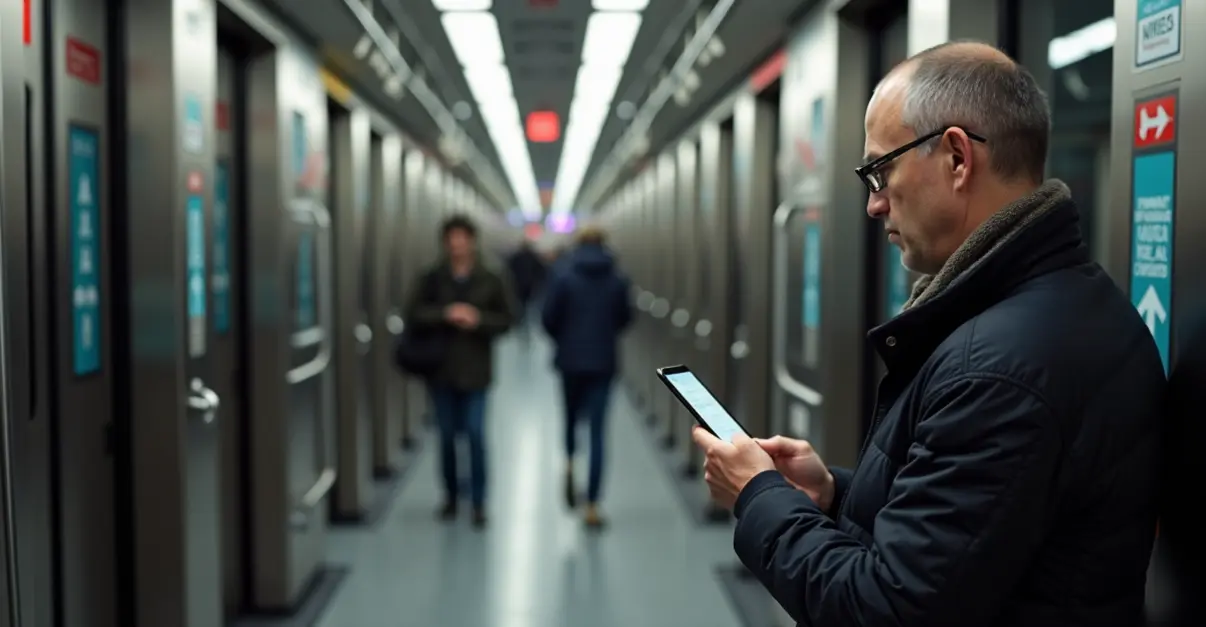
The most significant innovation comes in the form of real-time accessibility alerts that provide crucial information to riders before they even begin their journey. According to recent developments reported by Informed Clearly, transit apps now offer live updates on elevator outages at subway stations, ramp deployments on buses, and accessible vehicle locations. This technology represents a fundamental shift from traditional schedule-based information to dynamic, real-time accessibility data.
Dr. Evelyn Nakamura, a leading accessibility researcher, explains the importance of these developments: 'For too long, riders with mobility challenges have faced uncertainty and anxiety when using public transit. These real-time features transform the experience from one of apprehension to confidence. Knowing whether an elevator is operational or a ramp is available before arriving at a station can mean the difference between making an appointment or missing it entirely.'
Advanced Technology Integration
The new systems combine artificial intelligence with Internet of Things (IoT) sensors to provide comprehensive accessibility information. Major transit agencies like New York's MTA and London's Transport for London are implementing Public Transport Accessibility Level (PTAL) metrics that feed directly into mobile applications. These systems can predict accessibility issues before they occur and provide alternative routing suggestions.
Research from ScienceDirect reveals the stark reality of current accessibility gaps: powered wheelchair users have 59% fewer accessible stops, while manual wheelchair users face 75% fewer accessible stops compared to non-disabled users. The new technology aims to bridge these disparities by providing accurate, real-time information about what is actually accessible at any given moment.
Direct Feedback Channels Empower Riders
Beyond real-time data, the new systems incorporate sophisticated feedback mechanisms that allow riders to report accessibility issues directly through their transit apps. This creates a two-way communication channel where users can alert transit authorities to problems like broken elevators, inaccessible boarding areas, or malfunctioning ramps.
Mark Thompson, a wheelchair user and transit advocate from Chicago, shares his experience: 'The feedback feature has been transformative. Previously, if I encountered an accessibility issue, I had to call a customer service number or send an email that might take days to get a response. Now I can report problems instantly through the app, and I often see fixes within hours. It makes me feel like my voice actually matters in improving the system.'
Sensory Support and Additional Features
The accessibility upgrades extend beyond mobility concerns to include sensory support features. Many transit apps now incorporate quiet area locators, noise-reducing headphone programs, and crowd density indicators. These tools benefit riders with sensory processing disorders, autism, or anxiety who might find crowded transit environments overwhelming.
According to Know the ADA, these technological advancements build on the foundation established by the Americans with Disabilities Act, creating more comprehensive accessibility solutions. Early adopters of these systems report impressive results, including 30% fewer missed connections and significantly increased confidence in using public transit.
Funding and Future Implementation
The widespread adoption of these accessibility features is being supported by funding from the Bipartisan Infrastructure Law's accessibility grants. Major transit agencies plan to implement these standards system-wide by 2026, with pilot programs already showing promising results in cities like New York, Chicago, and London.
Transportation accessibility expert Dr. Sarah Chen notes: 'What we're seeing is a paradigm shift in how transit agencies approach accessibility. Instead of treating it as a compliance issue, they're embracing it as an opportunity to serve more riders better. The real-time data and feedback systems create a virtuous cycle where problems get identified and fixed faster, leading to continuous improvement.'
The new systems also incorporate what researchers call 'realizable accessibility' - a more conservative and realistic measure based on actual transit operations rather than theoretical schedules. This approach, detailed in research from Springer, accounts for endemic delays and traffic incidents that can disproportionately affect riders with mobility challenges.
Looking Ahead
As these accessibility features become standard across transit systems, experts predict they will fundamentally change how people with limited mobility interact with public transportation. The combination of real-time data, AI-powered predictions, and direct feedback channels creates a more responsive and user-centered transit experience.
The ultimate goal, according to transit officials, is to create systems where accessibility information is as readily available and reliable as schedule information has been for decades. With major implementation targets set for 2026, riders with limited mobility can look forward to a new era of public transit that truly serves everyone.





Follow Discussion