


 Deutsch
 English
 Español
 Français
 Nederlands
 Português


 Share
Share




Transit Apps Revolutionize Accessibility with Real-Time Features
In a major leap forward for inclusive public transportation, leading transit apps have begun rolling out groundbreaking real-time accessibility features designed specifically for riders with disabilities. These innovations, which started appearing in late 2025 and continue through 2026, represent a paradigm shift from reactive accommodations to proactive empowerment for millions of transit users worldwide.
What the New Features Include
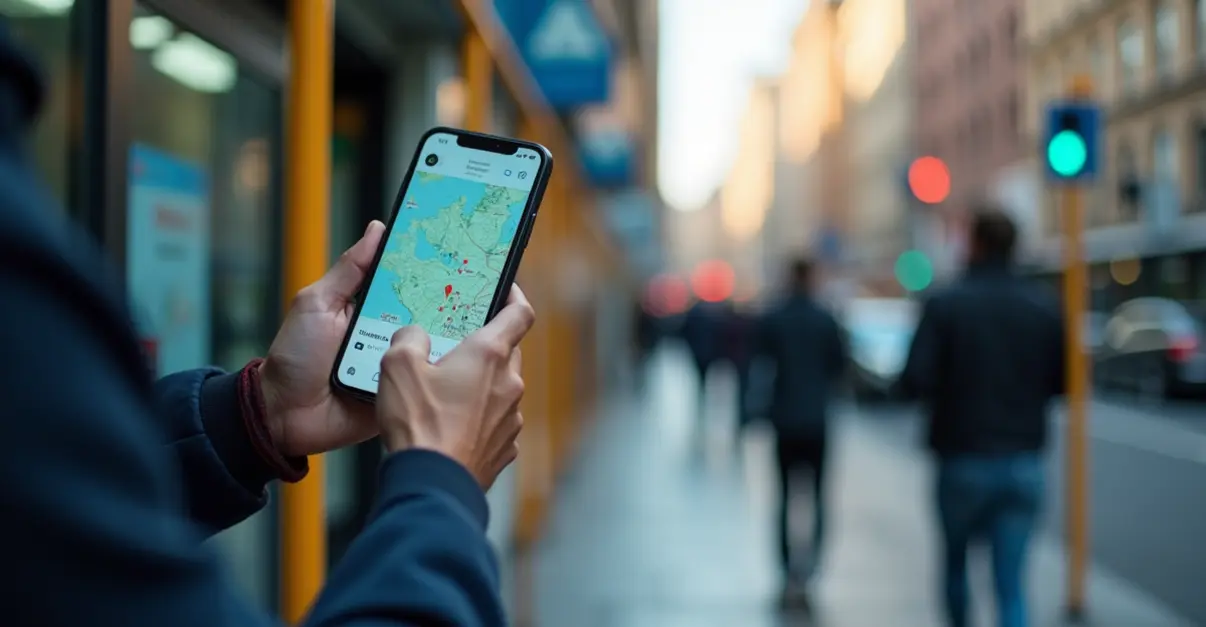
The updated apps now provide real-time alerts for elevator outages at subway stations, ramp deployments on buses, and accessible vehicle locations across participating transit networks. Using artificial intelligence and IoT sensors integrated directly with transit agency infrastructure, these systems deliver accurate, up-to-the-minute information that has already shown impressive results in pilot programs.
According to early data from the Transit app, these features have reduced missed connections for disabled riders by approximately 30% in cities where they've been implemented. 'This isn't just about getting from point A to point B anymore,' says Sofia Martinez, a transportation accessibility advocate. 'It's about giving people with disabilities the same confidence and independence that other riders take for granted.'
Technology Behind the Innovation
The system leverages sophisticated AI algorithms that process data from multiple sources, including transit agency feeds, IoT sensors installed in elevators and ramps, and user-generated reports. This creates a comprehensive picture of accessibility conditions across the transportation network.
One of the most innovative aspects is the integrated feedback system that allows riders to report accessibility issues directly through the app. This creates a two-way communication channel between users and transit agencies, enabling faster responses to problems and more accurate data collection. 'For the first time, we have a direct line to report issues and see them addressed in real-time,' notes wheelchair user Michael Chen, who has been testing the features in New York City.
Compliance and Standards
The apps already conform to rigorous accessibility standards, including WCAG 2.0/2.1 A/AA guidelines, with ongoing reviews for WCAG 2.2 AA and EN 301 549 standards. They support major screen readers like VoiceOver for iOS and TalkBack for Android, making them usable for visually impaired riders.
Key features include wheelchair accessibility information for stops and vehicles, accessible trip planning with step-free options, and GO Mode for step-by-step audio navigation. Users can also customize walking or rolling speeds (from 1.25 to 3.75 MPH) and prioritize accessible trips in their route planning.
Broader Industry Context
This development comes amid broader improvements in transportation accessibility. According to the Accessible NYC 2025 Report, 155 of 493 subway stations are now ADA accessible, representing a 45% increase since 2016. The MTA has committed to making 95% of subway stations accessible by 2055, with 60 accessibility projects funded in the 2025-2029 Capital Plan.
Recent ADA developments have also focused on enhancing public transportation infrastructure through federal grants supporting elevator installations, tactile paving, and improved signage. Legislative amendments now require new transportation technologies to be ADA-compliant from the outset, expanding coverage to include cognitive and sensory disabilities.
User Experiences and Impact
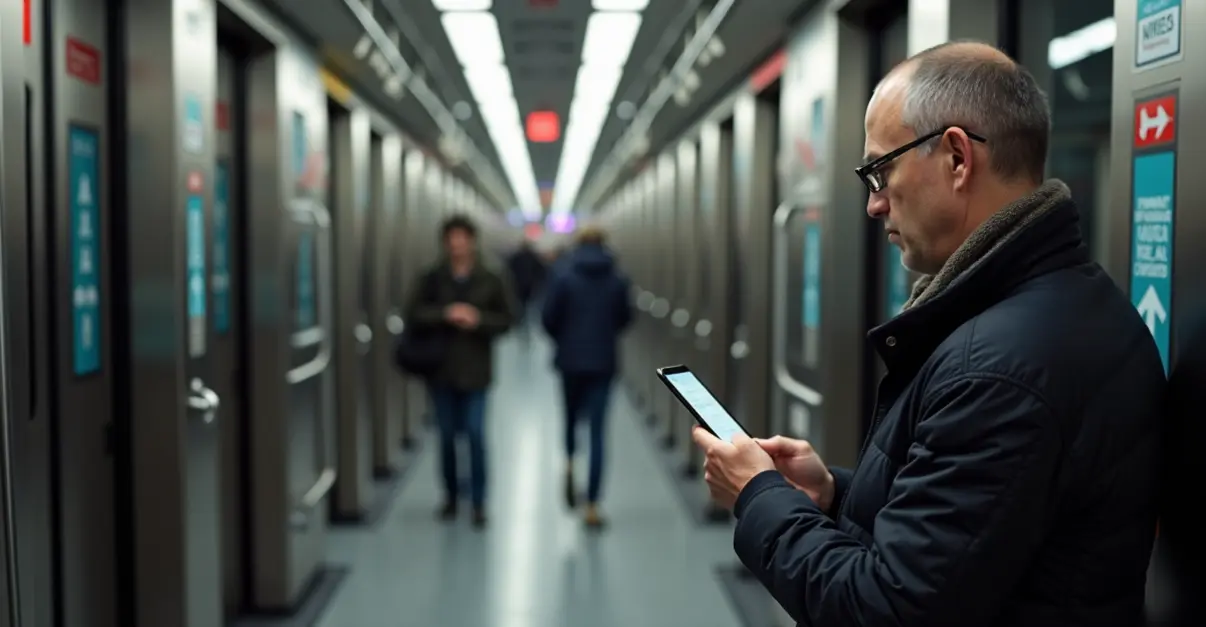
For daily commuters like Sarah Johnson, who uses a mobility scooter, the changes have been transformative. 'Before these features, I would often arrive at a station only to find the elevator out of service, with no warning,' she explains. 'Now I get alerts on my phone before I even leave home. It's changed how I approach my entire day.'
The apps also include features for riders with sensory sensitivities, such as options to avoid crowded vehicles and notifications about particularly noisy stations or routes. This comprehensive approach addresses a wide range of disability types, moving beyond physical accessibility alone.
Future Developments
Looking ahead to 2026 and beyond, developers plan to expand these features to more cities and add new capabilities. Planned enhancements include sensory support options, real-time crowd density indicators, and integration with emerging technologies like autonomous accessible vehicles.
'We're just scratching the surface of what's possible,' says Transit app developer Alex Rodriguez. 'As we collect more data and refine our algorithms, we'll be able to provide even more personalized accessibility information. The goal is to make public transportation truly equitable for everyone.'
The initiative reflects a broader industry trend toward digital accessibility solutions and represents what many hope will be a new standard for inclusive transit technology. With continued development and expansion, these real-time accessibility features could fundamentally change how people with disabilities experience and interact with public transportation systems worldwide.




Follow Discussion