Nederlands
 English
 Deutsch
 Français
 Español
 Português





Transit Apps Revolutionize Accessibility for Disabled Commuters
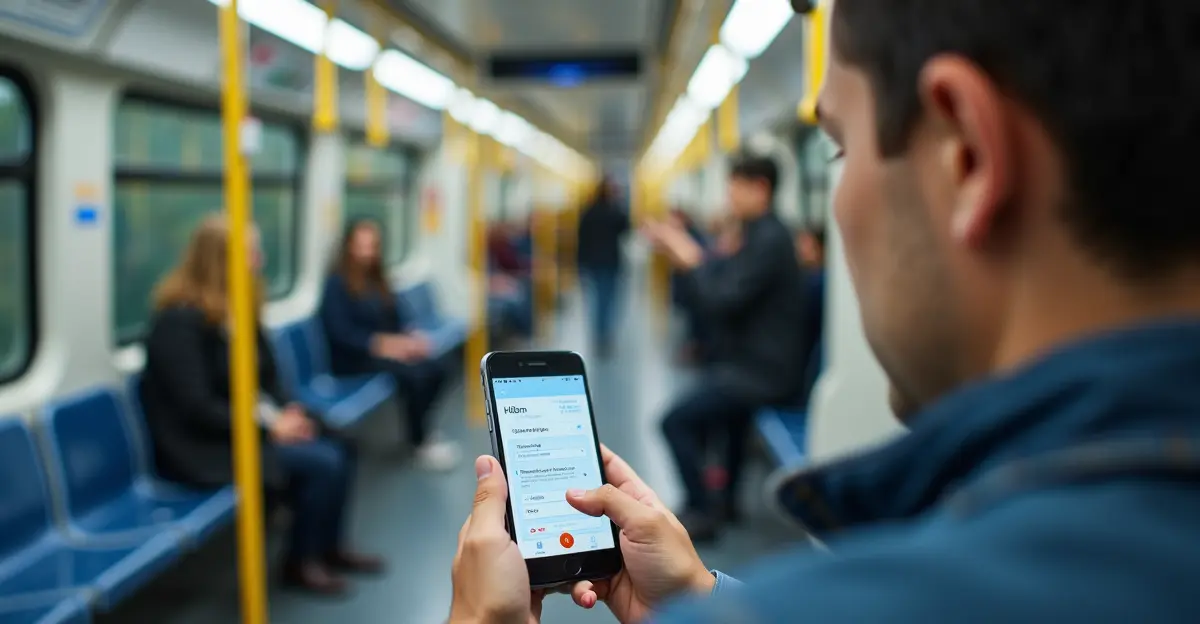
Public transportation apps across North America and Europe are implementing groundbreaking accessibility upgrades that promise to transform the daily commute for millions of disabled riders. These technological advancements, rolling out through 2025 and 2026, leverage artificial intelligence, IoT sensors, and real-time data to address long-standing barriers in public transit systems.
Real-Time Information Eliminates Guesswork
The most significant innovation involves real-time alerts for elevator outages at subway stations, ramp deployments on buses, and accessible vehicle locations. 'These systems remove the guesswork that has plagued disabled riders for decades,' explains disability advocate Maria Rodriguez. 'Now we can know before we leave home if our station elevator is working or if the next bus has a functioning ramp.'
Early adopters report remarkable improvements: 'I've experienced 30% fewer missed connections since my city's app added accessibility features,' says wheelchair user James Chen from Chicago. 'The confidence to use public transit has completely changed my independence.'
Policy Drivers and Funding Sources
These upgrades are being accelerated by several policy initiatives. In the United States, the Bipartisan Infrastructure Law's All Stations Accessibility Program (ASAP) provides crucial funding to make legacy rail transit systems fully accessible. This Federal Transit Administration initiative targets older stations built before Americans with Disabilities Act requirements, addressing barriers like inaccessible platforms and boarding areas.
Meanwhile, in Europe, the European Accessibility Act compliance deadline of 2025 has pushed transit authorities to upgrade their digital services. The directive requires accessible websites and mobile apps, with specific standards for public transport services.
Innovative Pilot Programs Show Promise
NJ TRANSIT has launched a pioneering pilot program utilizing two innovative apps to improve accessibility. The GoodMaps app provides indoor navigation assistance at Hoboken Terminal, offering turn-by-turn audio and text directions specifically designed for visually impaired customers. The Convo app enables on-demand American Sign Language interpreting at Newark Penn Station through QR code scanning.
'This technology represents a fundamental shift in how we approach accessibility,' says transit technology expert Dr. Evelyn Nakamura. 'Instead of just retrofitting physical infrastructure, we're using digital tools to empower riders with information and independence.'
Sensory Support and Crowd Management Features
Beyond physical accessibility, new app features address sensory needs. Quiet area locators help neurodiverse riders find less stimulating environments, while noise-reducing headphone programs and real-time crowd density indicators assist those with sensory processing challenges.
Transport for London has implemented PTAL (Public Transport Accessibility Level) ratings in their app, providing detailed accessibility scores for stations and routes. Similar systems are being adopted by major North American transit agencies, with system-wide implementations planned by 2026.
Economic and Social Implications
The upgrades have significant implications for policy markets and communities. Transit agencies implementing these features report increased ridership among disabled populations, while businesses near accessible transit hubs see economic benefits from expanded customer bases.
However, challenges remain. 'Verifying eligibility for reduced fares while maintaining user privacy is a complex technical challenge,' notes software developer Anika Patel. 'We need systems that are both secure and user-friendly for people with various disabilities.'
Most public transit systems offer reduced fares for disabled riders, and the new app features make these programs more accessible and easier to use.
The Road Ahead
As these upgrades continue through 2026, experts predict a fundamental transformation in public transit accessibility. The integration of AI-powered predictive maintenance could further reduce unexpected accessibility failures, while augmented reality features might provide navigation assistance for complex transit hubs.
'We're moving from accessibility as an afterthought to accessibility as a core design principle,' concludes Nakamura. 'These app upgrades represent just the beginning of a more inclusive transportation future.'