Deutsch
 English
 Español
 Français
 Nederlands
 Português

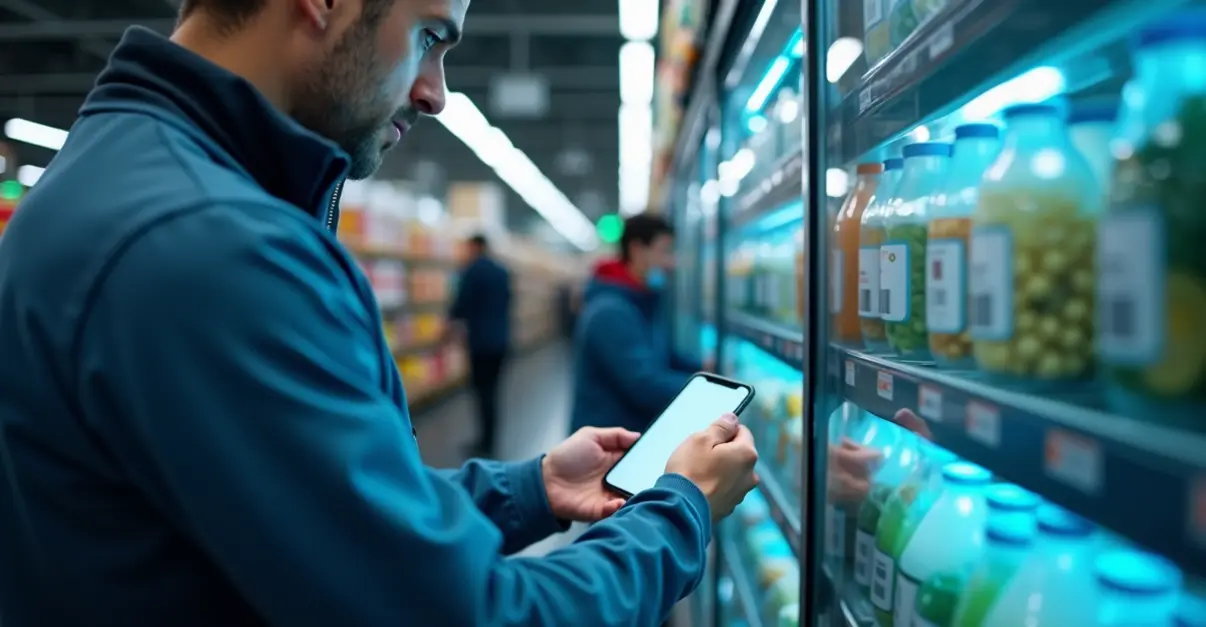





Sensor Revolution in Last-Mile Logistics Shows Dramatic Results
A groundbreaking pilot program deploying advanced sensor technology throughout cold chain logistics has demonstrated remarkable success in reducing food waste while improving last-mile efficiency. The initiative, which involved collaboration between major retailers and technology providers, has shown that real-time temperature monitoring and predictive analytics can slash waste by up to 30% in perishable goods transportation.
The Technology Behind the Breakthrough
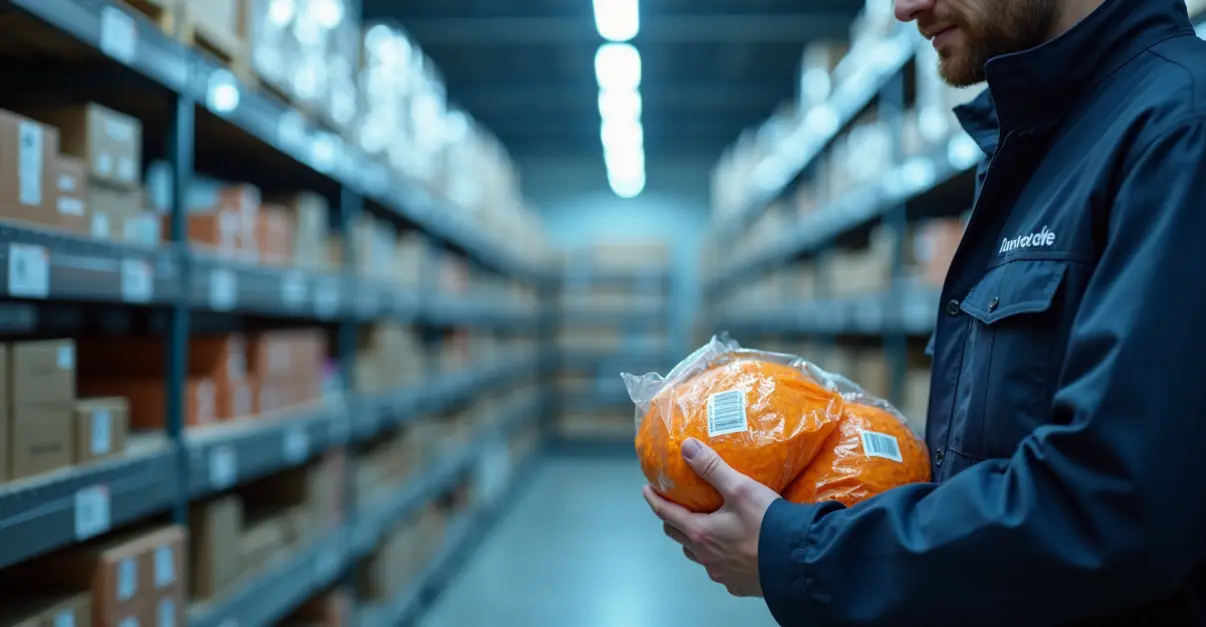
The pilot utilized Internet of Things (IoT) sensors with ±0.1°C accuracy to monitor temperature conditions throughout the supply chain. These sensors, combined with RFID technology and cloud-based analytics platforms, created a comprehensive digital twin of each shipment. 'We're seeing unprecedented visibility into what happens to food products from farm to store,' said Dr. Sarah Chen, a cold chain technology researcher at MIT. 'For the first time, retailers can identify exactly where temperature excursions occur and take corrective action before products spoil.'
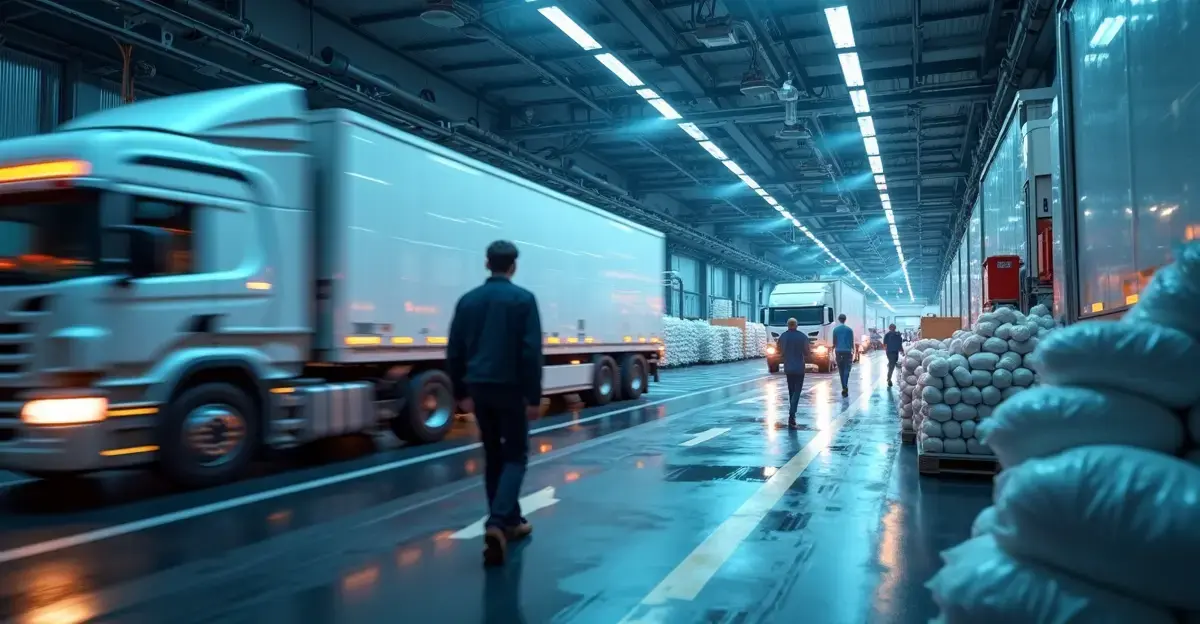
The system integrates with existing warehouse management systems and provides real-time alerts when temperatures deviate from optimal ranges. According to data from the pilot, the most critical points for temperature control occur during last-mile delivery and during transfer between transportation modes. 'The last 50 miles are where we lose the most product,' noted Ethan Petrov, the project's lead author. 'Traditional monitoring systems simply couldn't capture the micro-climate changes that happen during final delivery.'
Retailer Adoption and Implementation Challenges
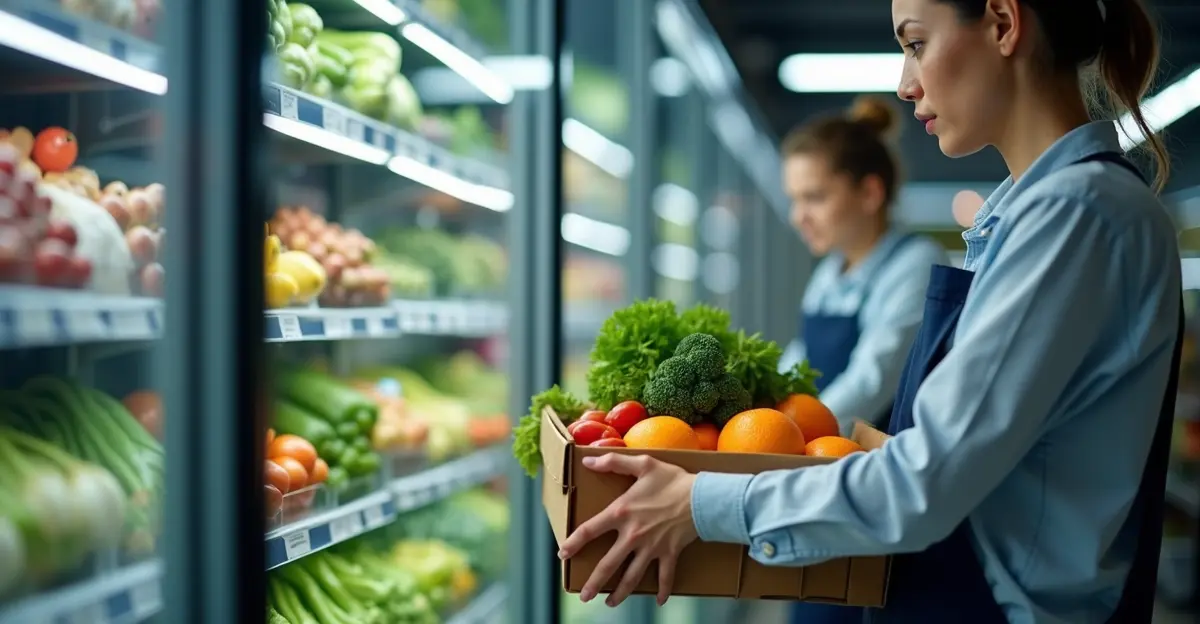
Major retailers including Walmart and Whole Foods have begun implementing similar technologies following the pilot's success. Walmart's collaboration with Avery Dennison on RFID-enabled labels for high-moisture environments represents a significant industry milestone. 'This isn't just about reducing waste—it's about creating a more connected food supply chain,' explained Maria Rodriguez, Walmart's sustainability director. 'We're giving our associates better tools to manage inventory and make smarter decisions about product rotation.'
However, implementation hasn't been without challenges. The initial cost of sensor deployment remains a barrier for smaller retailers, and integrating new technology with legacy systems has proven complex. 'We learned that successful implementation requires treating this as an operational change program, not just a technology rollout,' said James Wilson, a food industry consultant. 'Companies that focused on specific, high-impact use cases saw much faster returns on investment.'
Environmental and Economic Impact
The environmental implications of reduced food waste are substantial. According to the Food and Agriculture Organization, approximately one-third of all food produced globally is lost or wasted. The cold chain pilot demonstrates that technology can address a significant portion of this problem. 'Every percentage point reduction in food waste represents millions of tons of CO2 emissions avoided,' noted environmental scientist Dr. Lisa Park.
Economically, the benefits extend beyond waste reduction. Retailers participating in the pilot reported improved inventory accuracy, reduced labor costs associated with manual temperature checks, and enhanced customer satisfaction due to better product quality. The technology also enables dynamic pricing based on real-time freshness data, allowing retailers to optimize markdown strategies.
Future Developments and Scaling
Looking ahead, industry experts predict wider adoption of autonomous cold chain technologies. The integration of artificial intelligence for predictive maintenance and route optimization, combined with blockchain for tamper-proof record keeping, represents the next frontier. 'By 2030, we expect to see autonomous cooling chains that can reduce operating costs by 40-50%,' projected technology analyst Michael Chen.
The success of this pilot has attracted significant investment in food waste technology startups. Mill, a company developing smart waste bins that convert food waste into animal feed, recently secured a national deployment agreement with Whole Foods. 'This represents a major inflection point where food waste technology transitions from startup experimentation to enterprise operational infrastructure,' said startup founder Matt Rogers.
As the technology matures and costs decrease, experts anticipate broader adoption across the food industry. The ultimate goal is creating a fully transparent, efficient cold chain that minimizes waste while ensuring food safety and quality from production to consumption.