


 Deutsch
 English
 Español
 Français
 Nederlands
 Português


 Share
Share




Cold Chain Innovations Revolutionize Perishable Food Logistics
The global cold chain industry is undergoing a dramatic transformation in 2025, with smart technologies significantly reducing food waste through innovative sensor tracking and last-mile solutions. As retailers pilot new systems, the industry is projected to reach $647.47 billion by 2028, driven by technological advancements that address the critical problem of perishable food spoilage.
The Last-Mile Challenge and Breakthrough Solutions
The final delivery stage—known as the last mile—has long been the weakest link in cold chain logistics. However, 2025 has seen remarkable innovations addressing this challenge. 'We're seeing portable refrigeration units that eliminate dry ice use, providing sustainable cooling for up to 72 hours without external power,' explains Dr. Sarah Chen, a cold chain technology researcher at MIT. Companies like DENSO have introduced the D-mobico® portable refrigerators, while Newbase offers multi-scenario solutions with IoT monitoring for 30-minute community deliveries.
The food cold chain last-mile delivery market is estimated at $10.24 billion in 2025, expected to grow to $18.98 billion by 2032. This growth is fueled by increasing consumer demand for perishable goods and evolving regulatory frameworks requiring better traceability.
Sensor Technology: The Eyes of the Cold Chain
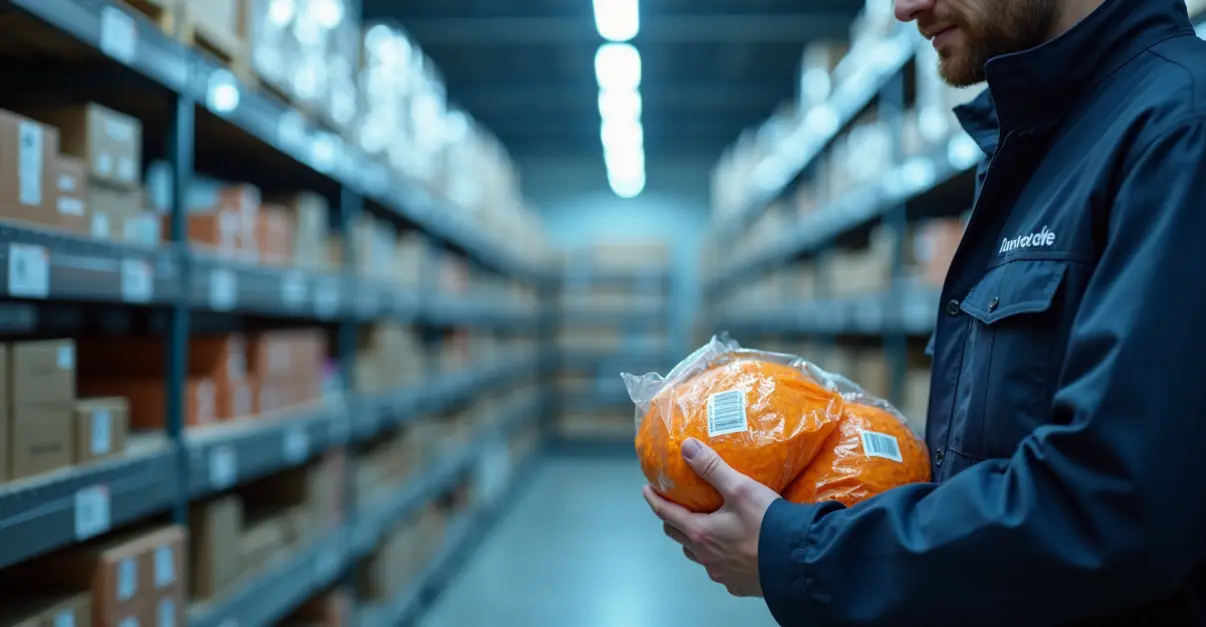
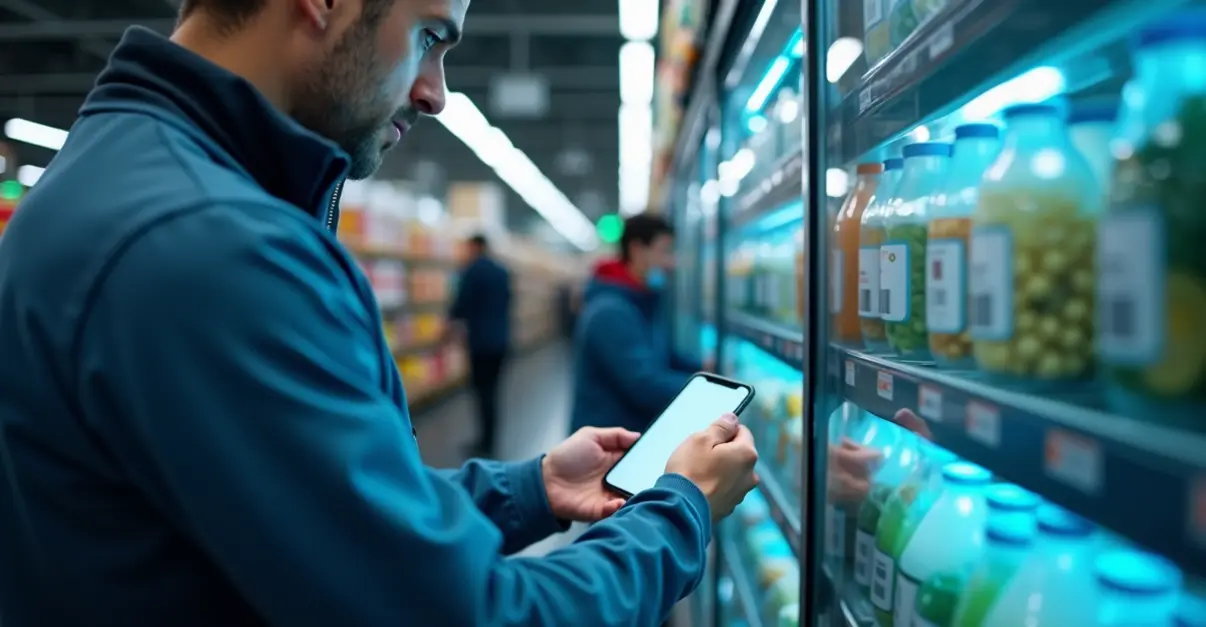
Advanced sensor technologies are providing unprecedented visibility throughout the supply chain. Bluetooth Low Energy sensors, printable sensors, and IoT-enabled devices monitor temperature, humidity, and location in real-time, sending automatic alerts when conditions deviate from optimal ranges. 'These sensors have reduced our spoilage rates by 25% in pilot programs,' says Mark Thompson, supply chain director at a major grocery retailer. 'We can now identify potential problems before they cause actual damage.'
According to industry research, poor temperature control causes 14% of global food loss between harvest and retail. In the U.S. alone, food waste amounts to 63 million tons valued at $382 billion annually, with retail businesses losing $28 billion in product value.
Retailer Pilots Show Promising Results
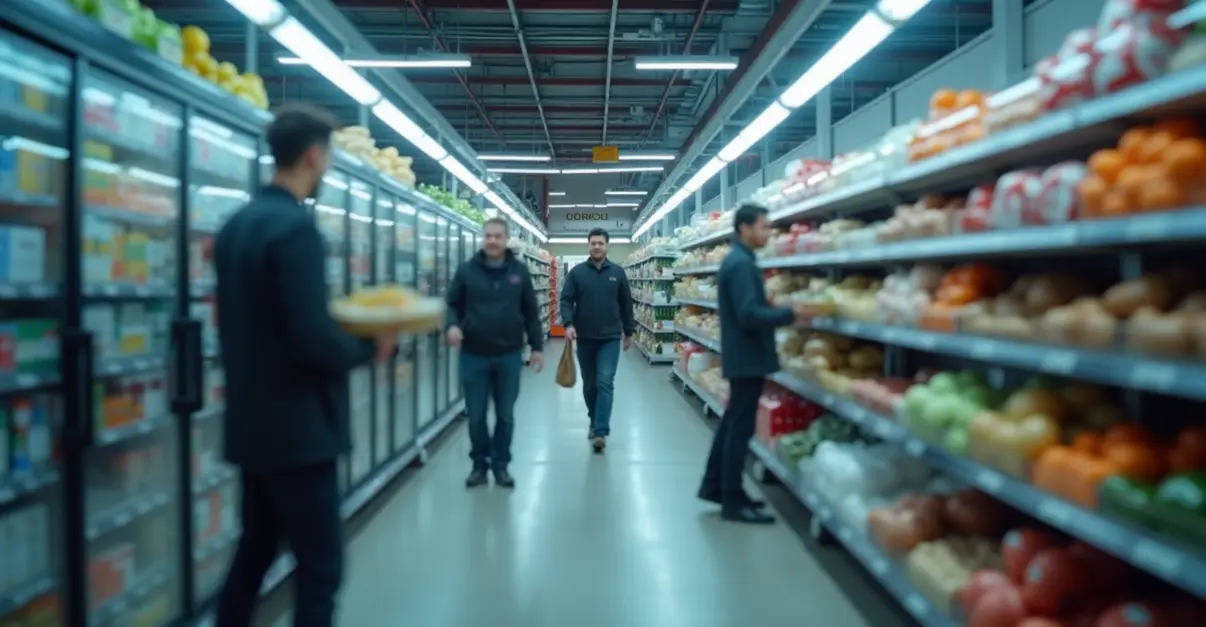
Major retailers are conducting extensive pilot programs to test these innovations. The results are impressive: waste reduction of up to 30% through better monitoring and predictive analytics. 'Our pilot with AI predictive analytics has been transformative,' notes Lisa Rodriguez, sustainability officer at a national supermarket chain. 'We're not just reducing waste—we're improving margins and strengthening consumer trust.'
The National Frozen & Refrigerated Foods Association's 2025 Food Waste Insights Report reframes food waste as a business opportunity rather than just an environmental issue. The report shows how waste prevention improves margins and outlines financial strategies, retailer alignment approaches, and technology insights using AI and IoT tools.
Sustainability and Environmental Impact
Beyond economic benefits, these innovations deliver significant environmental advantages. A University of Michigan study found that fully refrigerated supply chains could eliminate 620 million metric tons of global food waste and reduce greenhouse gas emissions by 41%. The industry is embracing sustainability through energy-efficient refrigeration, solar-powered warehouses, and blockchain documentation for traceability.
'The environmental impact is substantial,' says environmental scientist Dr. James Wilson. 'When we reduce food waste, we're not just saving food—we're reducing the carbon footprint of food production, transportation, and disposal.'
The Future of Cold Chain Logistics
Looking ahead, the integration of AI, machine learning, and blockchain promises even greater efficiency. Predictive analytics can forecast potential breakdowns, while dynamic routing optimizes delivery paths. The biopharma industry, which loses over $35 billion annually due to temperature control failures, is also adopting these technologies.
As IoT solutions become more sophisticated, the global cold chain logistics market is projected to surpass $892.6 billion by 2030. The convergence of technology, sustainability, and regulatory requirements is creating a more resilient and efficient system for transporting perishable goods worldwide.
'We're at a tipping point,' concludes industry analyst Michael Park. 'The innovations we're seeing today aren't just incremental improvements—they're fundamentally changing how we preserve and distribute perishable food, with benefits for businesses, consumers, and the planet.'

Follow Discussion