


 Deutsch
 English
 Español
 Français
 Nederlands
 Português


 Share
Share




Ukraine Skeleton Athlete Disqualified 2026: Complete Guide to Heraskevych Helmet Controversy
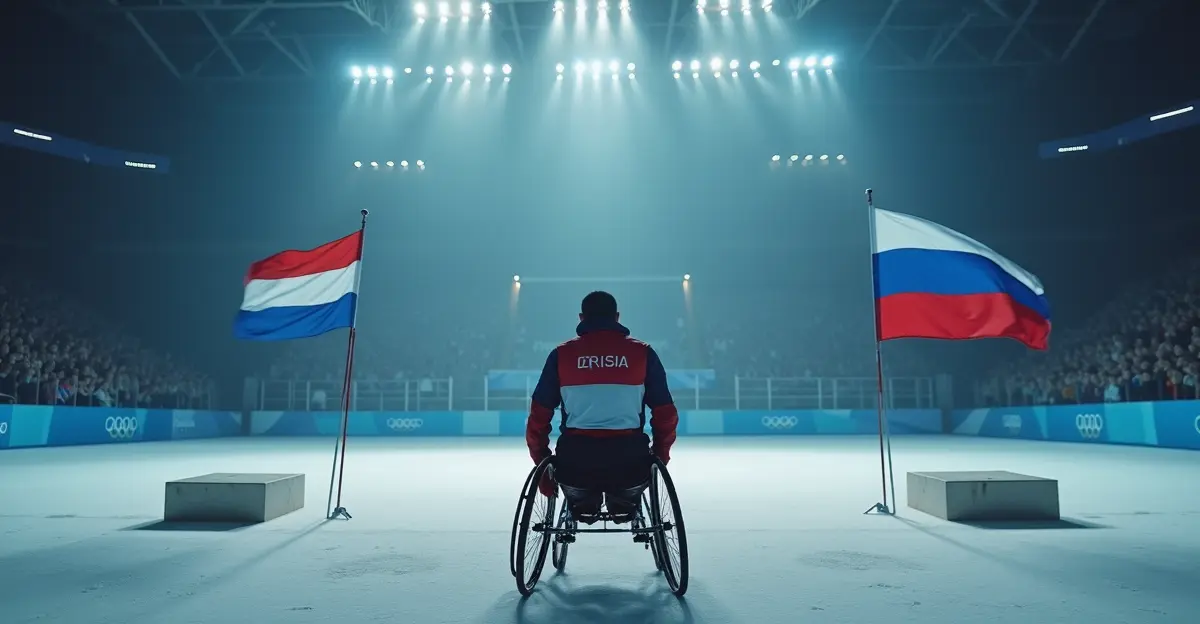
Ukrainian skeleton racer Vladyslav Heraskevych has been disqualified from the 2026 Winter Olympics for refusing to remove his 'helmet of remembrance' honoring Ukrainian athletes killed in the war with Russia, sparking a major controversy about political expression at the Games. The International Olympic Committee (IOC) ruled that the helmet violated Rule 50.2 prohibiting political statements in competition venues, leading to Heraskevych's expulsion just 45 minutes before his scheduled event in Cortina, Italy.
What is the Heraskevych Helmet Controversy?
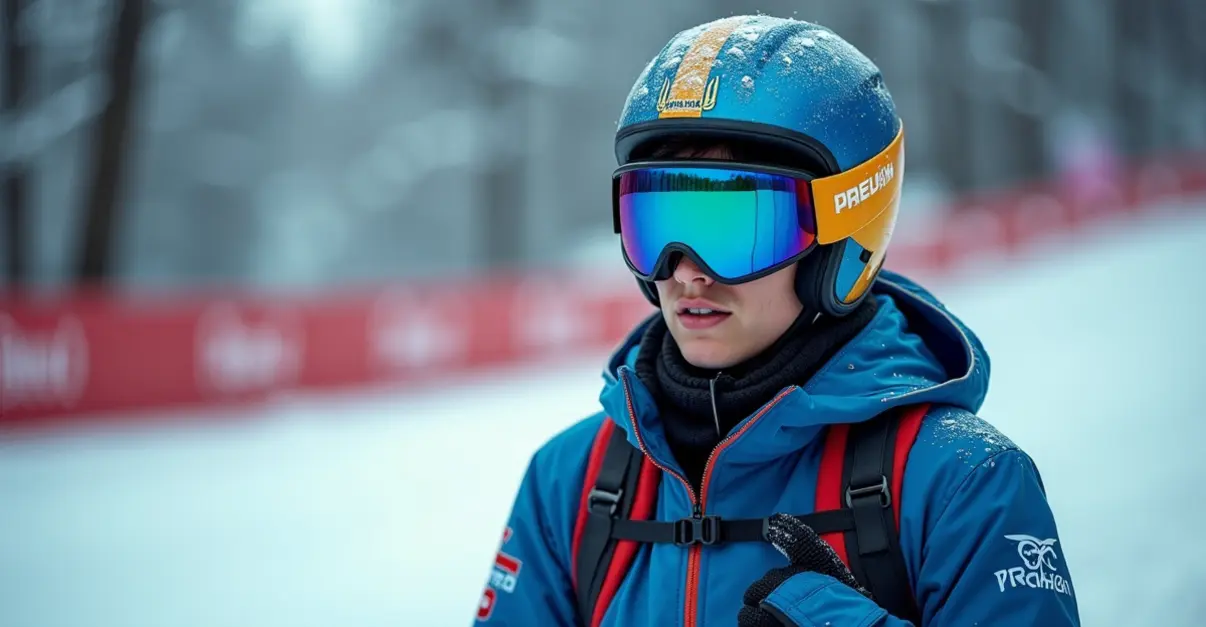
The controversy centers on Ukrainian skeleton athlete Vladyslav Heraskevych's customized helmet featuring images of 24 Ukrainian athletes and coaches killed since Russia's invasion of Ukraine in 2022. The helmet, which Heraskevych calls a 'helmet of remembrance,' includes portraits of fallen athletes like figure skater Dmytro Sharpar and boxer Maksym Halinichev. Despite IOC warnings and offers of compromise, Heraskevych insisted on wearing the helmet during competition, leading to his disqualification from the Milan Cortina Winter Games.
Olympic Rule 50 Explained: What Athletes Can and Cannot Do
The International Olympic Committee's Rule 50.2 prohibits political, religious, or racial propaganda in Olympic venues, including fields of play, ceremonies, and the Olympic Village. This rule, dating back to 1955, aims to maintain the Olympic Games' political neutrality while allowing athletes to express views in press conferences, interviews, and social media platforms.
Key Provisions of Rule 50:
- No political demonstrations during competitions
- No political statements during medal ceremonies
- No political symbols on uniforms or equipment
- Expression allowed in press conferences and interviews
- Social media posts permitted with certain restrictions
The IOC's Attempted Compromises
IOC President Kirsty Coventry personally met with Heraskevych in an emotional attempt to find a solution before his disqualification. The IOC offered several alternatives including:
- Wearing the helmet during training sessions only
- Displaying the helmet before and after competition
- Wearing a black armband during the race
- Holding a moment of remembrance off the field of play
"We have done everything in the past few days to find a solution. Unfortunately, we have not succeeded. I wanted to see him race in Cortina. With regret in our hearts, we have made this decision," said an emotional IOC President Coventry during a press conference.
Heraskevych's Response and Appeal
The 27-year-old Ukrainian athlete, who finished fourth at last year's world championships and served as Ukraine's flag bearer at the opening ceremony, refused all compromise offers. "The athletes are killed, but their voice is so loud that the IOC is afraid of them," Heraskevych stated. "I told Coventry that this decision fits the Russian narrative. Even if the IOC wants to erase the memory of the athletes, I will not abandon them."
Heraskevych's team has announced plans to appeal to the Court of Arbitration for Sport (CAS), arguing that the IOC has been inconsistent in enforcing Rule 50. They point to other athletes who have been allowed to honor deceased family members without sanction, suggesting a double standard in the IOC's political neutrality policies.
Political Reactions and Global Impact
Ukrainian President Volodymyr Zelenskyy called the disqualification a "moment of shame" for the IOC, stating "Having courage is worth more than any medal." The controversy has highlighted ongoing tensions between Olympic neutrality and athletes' desire to express national identity and political views, particularly in the context of the Russia-Ukraine conflict.
Comparison: Similar Olympic Protests
| Year | Athlete | Protest | Outcome |
|---|---|---|---|
| 1968 | Tommie Smith & John Carlos | Black Power salute | Suspended, sent home |
| 2024 | Afghan breakdancer | "Free Afghan Women" cape | Disqualified |
| 2022 | Vladyslav Heraskevych | "No War in Ukraine" sign | No sanction (training) |
| 2026 | Vladyslav Heraskevych | Helmet of remembrance | Disqualified |
FAQ: Heraskevych Helmet Controversy
1. Why was Vladyslav Heraskevych disqualified?
Heraskevych was disqualified for wearing a helmet depicting Ukrainian athletes killed in the war with Russia, violating Olympic Rule 50.2 prohibiting political statements during competition.
2. What was on Heraskevych's helmet?
The helmet featured images of 24 Ukrainian athletes and coaches killed since Russia's 2022 invasion, including Olympians and Youth Olympic medalists.
3. Could Heraskevych have worn the helmet during training?
Yes, the IOC offered to allow the helmet during training sessions but required its removal for actual competition.
4. What happens next with the appeal?
Heraskevych's team will appeal to the Court of Arbitration for Sport, though this won't restore his Olympic competition opportunity.
5. Has Ukraine threatened to boycott the Olympics?
No, Ukraine's Olympic Committee stated they would not boycott the Games over the disqualification.
Follow Discussion