Nederlands
 English
 Deutsch
 Français
 Español
 Português





Paris Sets New Olympic Standard with Sustainable Legacy
As the dust settles on the Paris 2024 Olympic and Paralympic Games, the French capital is demonstrating how mega-events can create lasting urban benefits rather than temporary spectacle. With a focus on reuse, sustainability, and community legacy, Paris has established a new blueprint for future host cities.
Infrastructure: The 95% Reuse Revolution
Paris took a radically different approach to venue construction, utilizing 95% of existing infrastructure rather than building new facilities from scratch. 'We wanted to avoid the white elephant syndrome that has plagued previous Games,' explained Marie Dupont, Director of Legacy Planning for Paris 2024. 'By maximizing what we already had, we reduced costs by approximately 30% and cut carbon emissions by half compared to London 2012 and Rio 2016.'
The only purpose-built competition venue was the Aquatics Centre in Saint-Denis, featuring a timber roof and solar power generation. This low-carbon facility will now serve as a community sports center for the Seine-Saint-Denis region, one of France's most economically challenged areas.
Transport Transformation: Beyond the Games
The Olympic deadline accelerated major transportation upgrades that will benefit Parisians for decades. The Grand Paris Express metro expansion, originally planned for 2030, was fast-tracked to serve Olympic venues. New bike lanes and pedestrian zones created for the Games have become permanent fixtures, encouraging sustainable mobility.
'The transport improvements weren't just for two weeks of competition,' noted transport analyst Jean-Luc Martin. 'We've seen a 40% increase in cycling commutes since the infrastructure was completed, and the expanded metro network is reducing congestion across the metropolitan area.'
Security Success: The Paris Model
With nearly 45,000 security personnel deployed for the opening ceremony alone, Paris established what experts are calling 'the gold standard' for mega-event security. Daily operations involved 30,000 police and gendarmes, 10,000 military personnel, 16,000 private security agents, and 1,800 international reinforcements.
The comprehensive approach resulted in no major security incidents and a notable 25% drop in public-order offences during the Games period. 'What made Paris different was the integration of all security forces under a single command structure,' explained security consultant Pierre Moreau. 'This model is already being studied by Los Angeles for 2028 and the French Alps for the 2030 Winter Games.'
The Seine's Remarkable Renaissance
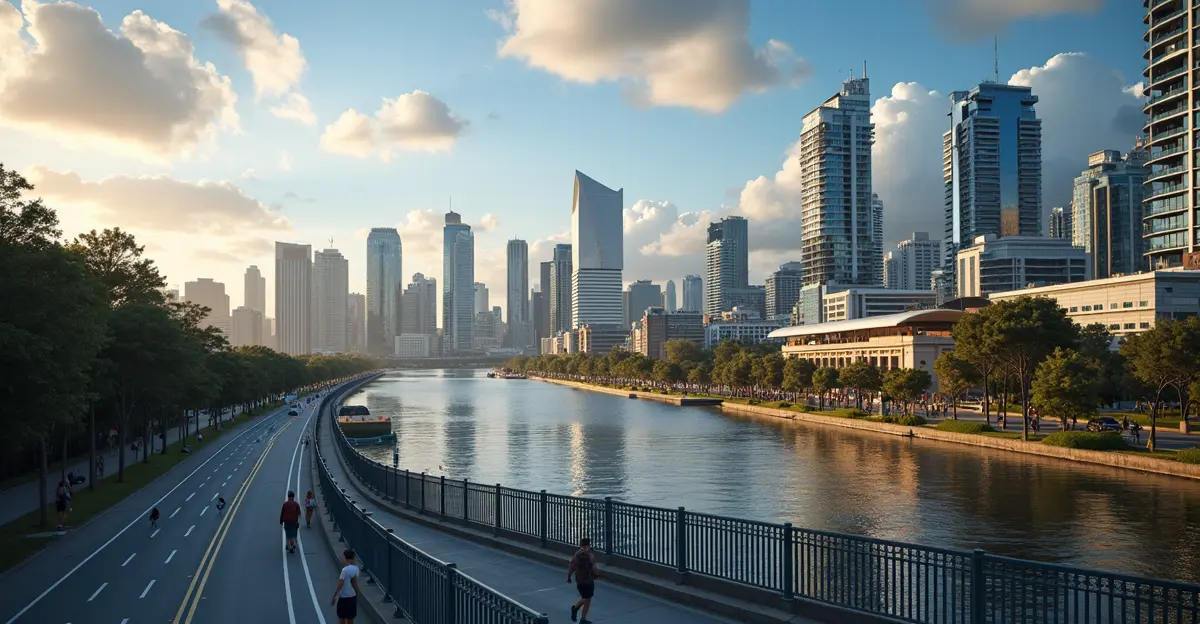
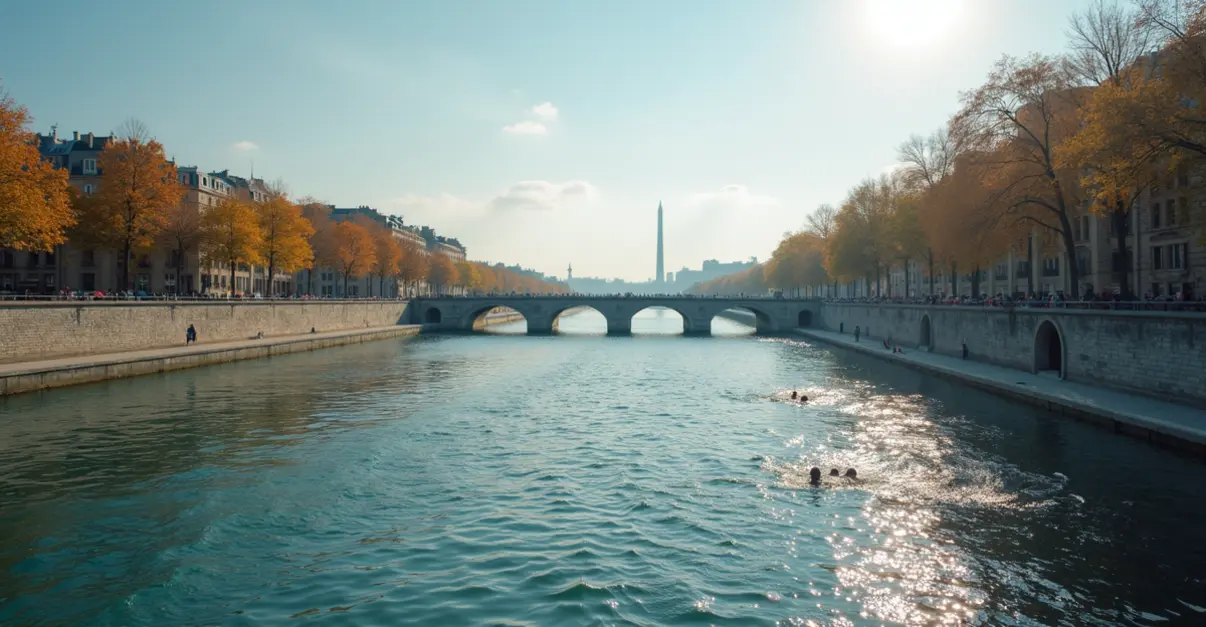
Perhaps the most visible legacy is the transformation of the River Seine. For the first time in over a century, Parisians can swim in their river at three new natural swimming sites that opened in July 2025. This achievement was accelerated by Olympic preparations that targeted long-standing pollution issues.
A massive €1.4 billion sewer renovation project, including an underground storage basin near Austerlitz, prevents untreated water from entering the river during heavy rains. 'The Games gave us a deadline we couldn't ignore,' said environmental engineer Sophie Laurent. 'What might have taken another decade was accomplished in time for the triathlon and marathon swimming events. Now we have safe, accessible swimming areas with lifeguards, showers, and daily water quality testing.'
Housing Legacy: From Athletes to Residents
The Olympic Village in Saint-Denis has been transformed into 2,800 apartments, with 25% designated as social housing. The development will eventually house 6,000 residents and provide office space for 6,000 workers. 'This isn't just about converting buildings,' said urban planner Claude Bernard. 'It's about creating integrated communities with schools, shops, and green spaces. The Games served as a catalyst for urban regeneration in an area that needed investment.'
Economic and Social Impact
Beyond physical infrastructure, Paris 2024 created 181,100 jobs, with 90% of suppliers being French companies. The Impact 2024 Fund distributed €47 million to benefit 4.5 million people through community sports programs, including free swimming lessons for over 36,000 children.
The Games also established 5,000 community sports facilities across France, making sport more accessible nationwide. 'The legacy isn't just in Paris,' emphasized sports minister Amélie Oudéa-Castéra. 'We've created opportunities for physical activity and social inclusion from Marseille to Tahiti.'
Looking Forward: Lessons for Future Hosts
The Paris model is already influencing planning for Los Angeles 2028 and the 2030 Winter Games in the French Alps. Key innovations include experimental algorithmic video analysis for security and legal frameworks for 'no-go' zones that balance safety with civil liberties.
As the OECD report on Paris 2024 notes, the Games demonstrated how mega-events can drive environmental progress through sustainable procurement and construction. The focus on circular economy principles in venue development has set new international standards in collaboration with organizations like ISO.
With the Seine now swimmable, transportation improved, and communities revitalized, Paris 2024 may be remembered less for its sporting achievements than for how it transformed a city while hosting the world's biggest sporting event.