Nederlands
 English
 Deutsch
 Français
 Español
 Português
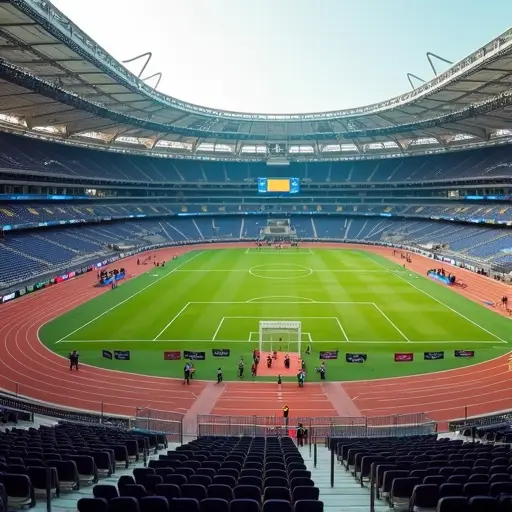





The Infrastructure Game-Changer
Hosting major sports events has become a powerful catalyst for infrastructure development in developing countries. Beyond the excitement of the games themselves, nations are leveraging events like the FIFA World Cup and Olympics to fast-track transportation networks, stadiums, and urban facilities that might otherwise take decades to build.
Case Studies of Transformation
Recent examples show the profound impact. Qatar's 2022 World Cup prompted a $200 billion infrastructure overhaul including new metro systems and airports. Brazil's 2016 Olympics accelerated Rio de Janeiro's port revitalization and public transportation upgrades. South Africa's 2010 World Cup brought significant improvements to roads and telecommunications networks that continue benefiting communities today.
The 2026 Catalyst
The upcoming 2026 FIFA World Cup co-hosted by USA, Canada, and Mexico is already driving development. Host cities anticipate up to 450,000 visitors and $480 million in economic impact according to White House reports. The event has spurred new transit projects and hospitality infrastructure across all three nations.
Beyond Stadiums
The legacy extends far beyond sports venues:
- Transportation networks: New metro lines and highway expansions
- Urban regeneration: Revitalized waterfronts and public spaces
- Digital infrastructure: 5G networks and smart city technologies
- Hospitality upgrades: Modern hotels and convention centers
Economic Ripple Effects
A recent strong target="_blank" rel="noopener noreferrer">Deloitte study highlights how sports infrastructure investments create construction jobs, boost tourism, and attract foreign investment. Developing nations particularly benefit from improved global connectivity and enhanced international reputation.
Challenges and Opportunities
While white elephant stadiums remain a concern, modern hosting agreements increasingly emphasize sustainable development. The focus has shifted toward multi-use facilities and infrastructure that serves communities long after the closing ceremony. As developing nations continue bidding for mega-events, the emphasis is on creating lasting urban legacies rather than temporary showpieces.