


 Deutsch
 English
 Español
 Français
 Nederlands
 Português


 Share
Share




Building a Future on the Red Planet
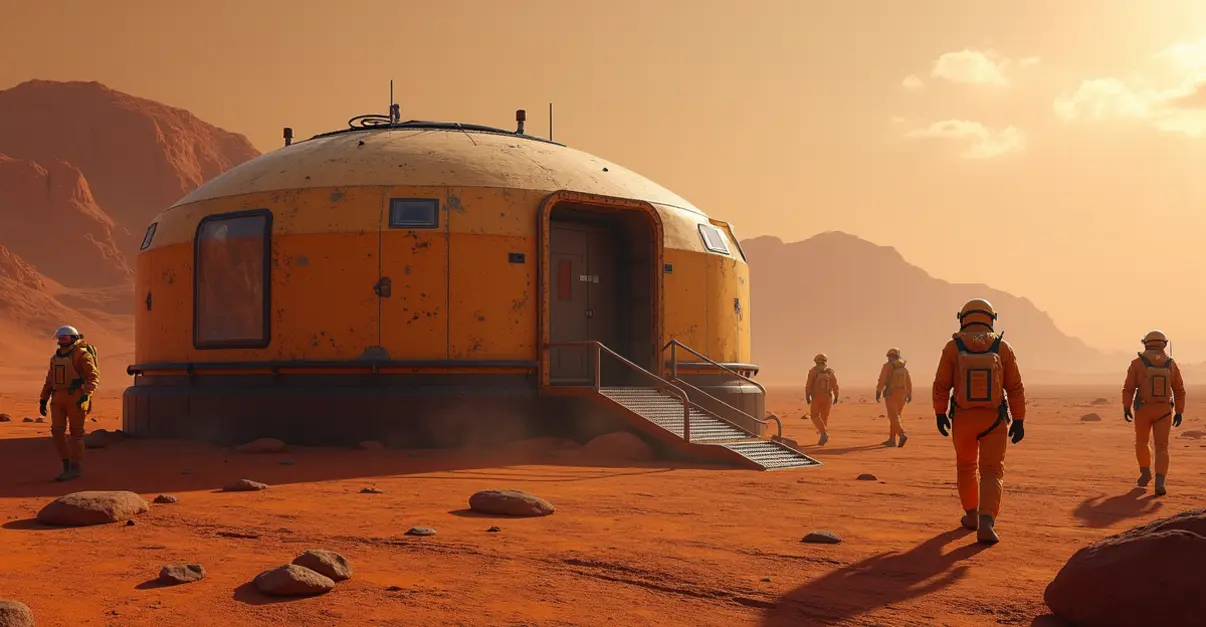
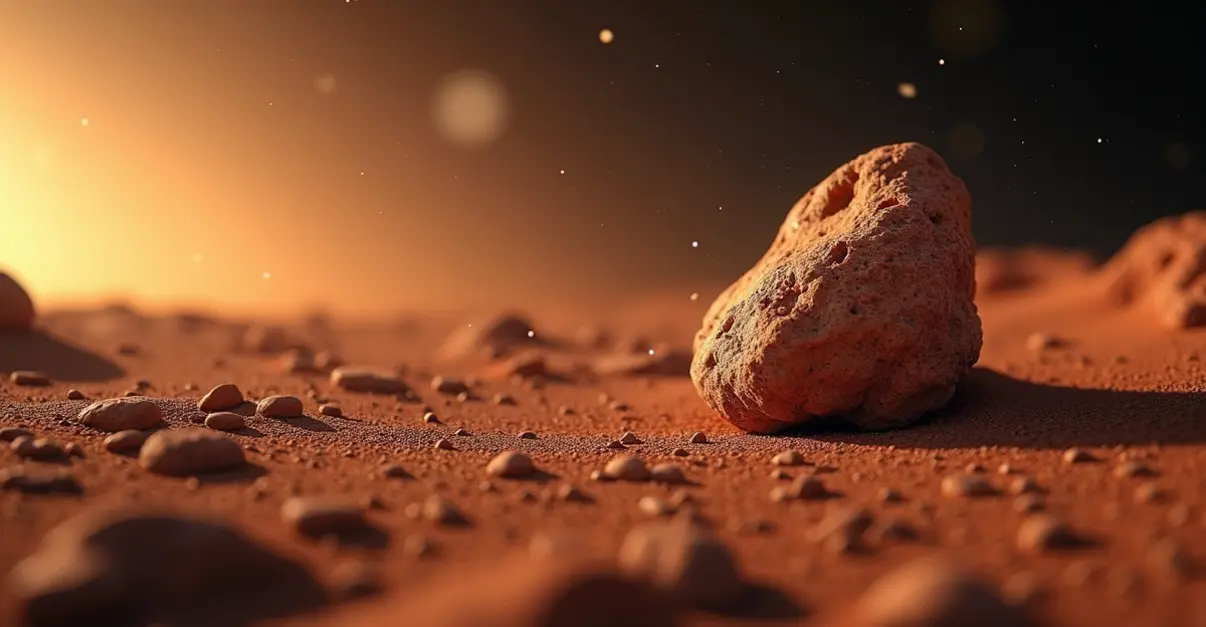
As humanity prepares for Mars colonization, architects face unprecedented challenges in designing habitats that protect against lethal radiation and maintain breathable atmospheres. Unlike Earth, Mars lacks a global magnetic field and has just 1% of Earth's atmospheric pressure, exposing settlers to cosmic rays and solar particles.
Radiation Shielding Innovations
NASA research reveals hydrogen-rich materials provide optimal protection. Water-filled walls and polyethylene structures effectively block radiation, while advanced solutions like hydrogenated boron nitride nanotubes (BNNTs) combine structural strength with shielding capabilities. These nanotubes can even be woven into space suits for surface operations.
Pressure Containment Strategies
Maintaining habitable pressure requires robust engineering. Inflatable habitats layered with Martian soil (regolith) create multi-barrier systems. Recent tests show 3-meter regolith layers reduce radiation by 90% while providing structural support against Mars' 0.095 psi atmospheric pressure.
Underground Cities & Active Defenses
Lava tubes and subsurface construction offer natural shielding. Meanwhile, scientists explore electromagnetic force fields that mimic Earth's magnetosphere. Though power-intensive, these could create protective bubbles around surface installations.
Sustainable Materials Approach
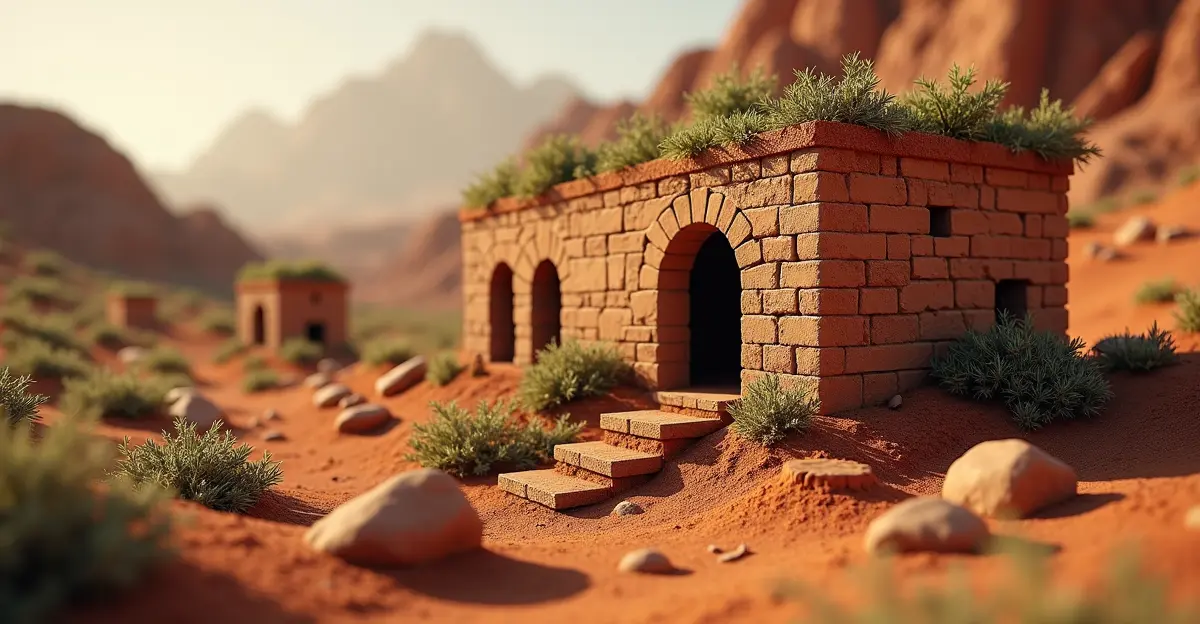
"We're prioritizing in-situ resource utilization," explains NASA architect Ruthan Lewis. "Martian soil becomes radiation-absorbing bricks through sintering processes, minimizing Earth imports." Water recycling systems double as radiation barriers in habitat walls.
The Path Forward
With SpaceX targeting crewed missions by 2029 and NASA's Artemis establishing lunar gateways, Martian architecture evolves rapidly. Ongoing MAVEN spacecraft data helps refine designs, ensuring future colonies survive Mars' harsh environment where a single solar flare could deliver months of Earth-level radiation.



Follow Discussion