Nederlands
 English
 Deutsch
 Français
 Español
 Português






First Commercial Space Debris Removal Mission Set to Launch
A private consortium led by Swiss startup ClearSpace has announced plans to launch the world's first commercial space debris removal mission in 2025. The ClearSpace-1 mission will target a 112kg Vega rocket adapter left in orbit since 2013, located approximately 800km above Earth.
The Growing Space Junk Problem
Space debris has become a critical threat to space operations, with over 40,000 tracked objects currently orbiting Earth. According to ESA statistics, these include everything from defunct satellites to paint flecks traveling at speeds up to 28,000 km/h. Recent incidents, including the January 2025 SpaceX Starship explosion, have intensified concerns about orbital safety.
"At orbital velocities, even a screw can hit with explosive force," said ClearSpace CEO Luc Piguet. "Our 'tow truck' design will clear key orbits of debris that might otherwise make them unusable."
Mission Technology and Approach
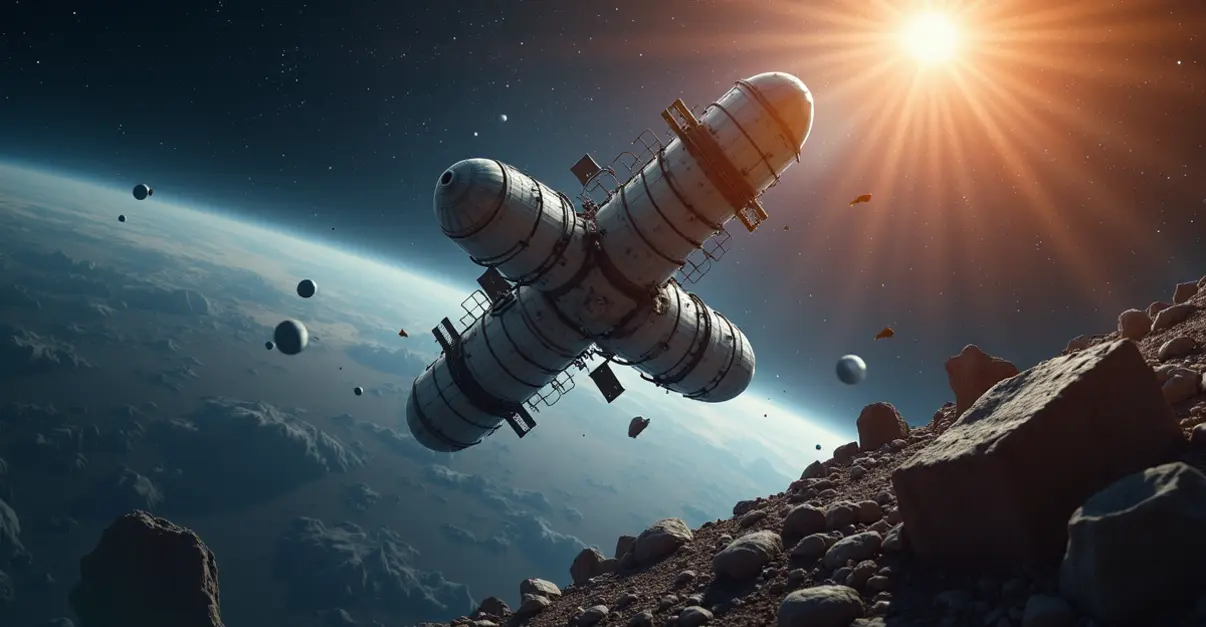
The ClearSpace-1 spacecraft will use a four-armed robotic capture system to secure the Vespa payload adapter. After rendezvousing with the debris, the spacecraft will drag it into Earth's atmosphere where both will burn up during re-entry. This innovative approach marks a shift from theoretical solutions to practical debris removal.
The €86 million mission is partially funded by ESA's Space Safety Programme through its Active Debris Removal initiative. This represents ESA's first service contract for debris removal rather than traditional spacecraft development.
Future of Space Sustainability
If successful, ClearSpace-1 could establish a new commercial sector for orbital services. ESA's Clean Space Office head Luisa Innocenti noted: "These technologies will also enable in-orbit refueling and servicing of satellites, extending their working life."
The mission comes as space agencies worldwide implement new debris mitigation guidelines. With thousands of new satellites planned for launch this decade, solutions like ClearSpace-1 may become essential for maintaining space accessibility.