Deutsch
 English
 Español
 Français
 Nederlands
 Português

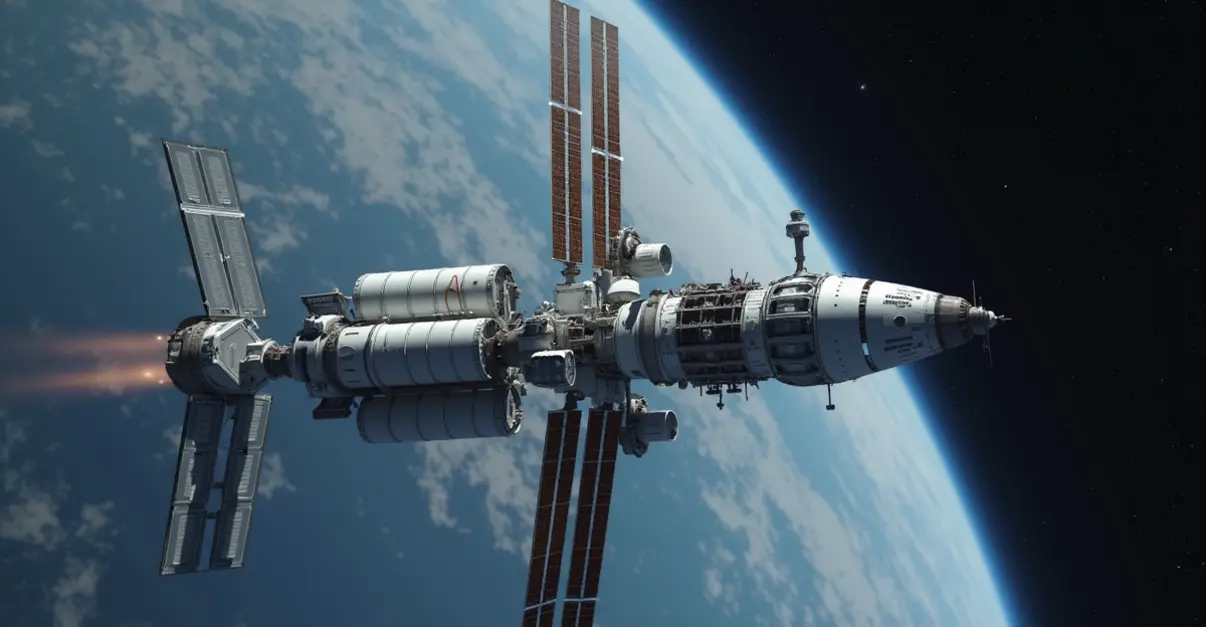





First-Ever Medical Evacuation from International Space Station
In an unprecedented move in the 25-year history of the International Space Station, NASA has initiated the first medical evacuation from the orbiting laboratory. The four-member Crew-11 mission returned to Earth weeks ahead of schedule after one astronaut experienced what NASA described as a 'serious medical condition.'
Emergency Return Timeline
The SpaceX Crew Dragon Endeavour undocked from the ISS on January 14, 2026, at 5:20 p.m. EST, carrying NASA astronauts Zena Cardman and Mike Fincke, Japan's Kimiya Yui, and Russian cosmonaut Oleg Platonov. After approximately 10.5 hours of orbital travel, the capsule splashed down in the Pacific Ocean off Southern California at 3:41 a.m. EST on January 15.
The crew had been aboard the ISS since their launch on August 1, 2025, and was originally scheduled to remain until mid-to-late February 2026. Their mission was cut short by over a month due to the medical emergency.
Medical Privacy and Crew Condition
NASA has maintained strict confidentiality regarding the affected astronaut's identity and specific medical condition, citing privacy concerns. Agency officials have emphasized that the situation was not an emergency evacuation but rather a precautionary early return. 'The crew member is in stable condition and receiving appropriate care,' stated NASA Administrator Jared Isaacman in a press briefing. 'We made this decision out of an abundance of caution to ensure the health and safety of our astronaut.'
This marks NASA's first medical evacuation in its 65-year history of human spaceflight, though Soviet and Russian space programs have experienced similar situations in the past.
ISS Operations Impact
The evacuation temporarily reduces the ISS crew from seven to three members. According to Space.com, the remaining crew will continue normal operations until SpaceX can launch a replacement crew in mid-February. The station orbits Earth at an average altitude of 400 kilometers (250 miles), completing about 15.5 orbits per day.
The International Space Station has been continuously inhabited for over 25 years, serving as a platform for scientific research in microgravity. This incident highlights the challenges of providing medical care in space and the importance of emergency protocols.
Historical Context and Future Implications
While this is the first medical evacuation from the ISS, it's not the first medical emergency in space. Previous incidents include Soviet cosmonauts experiencing health issues during long-duration missions. 'This evacuation demonstrates our ability to respond to medical situations in space,' noted Dr. Michael Barratt, NASA's chief medical officer. 'It validates our emergency protocols and shows that we can safely return crew members when needed.'
The successful return comes as NASA prepares for future deep-space missions, including the Artemis program's return to the Moon. Medical evacuation capabilities will be crucial for missions farther from Earth where immediate return isn't possible.