


 Deutsch
 English
 Español
 Français
 Nederlands
 Português


 Share
Share




Historic Discovery on Mars
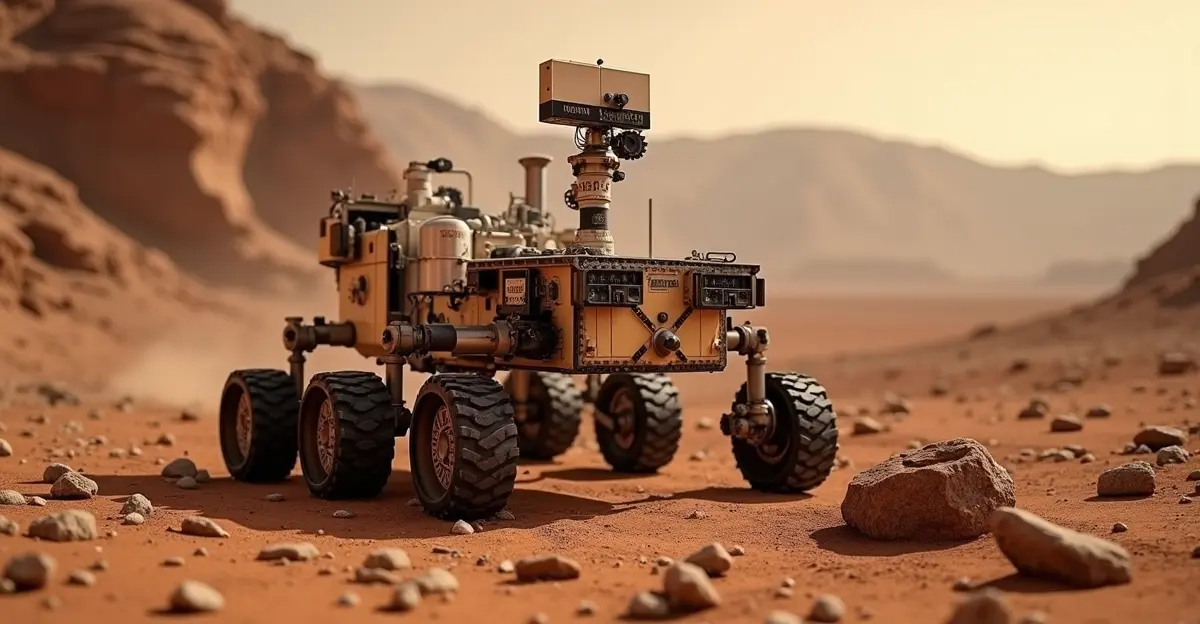
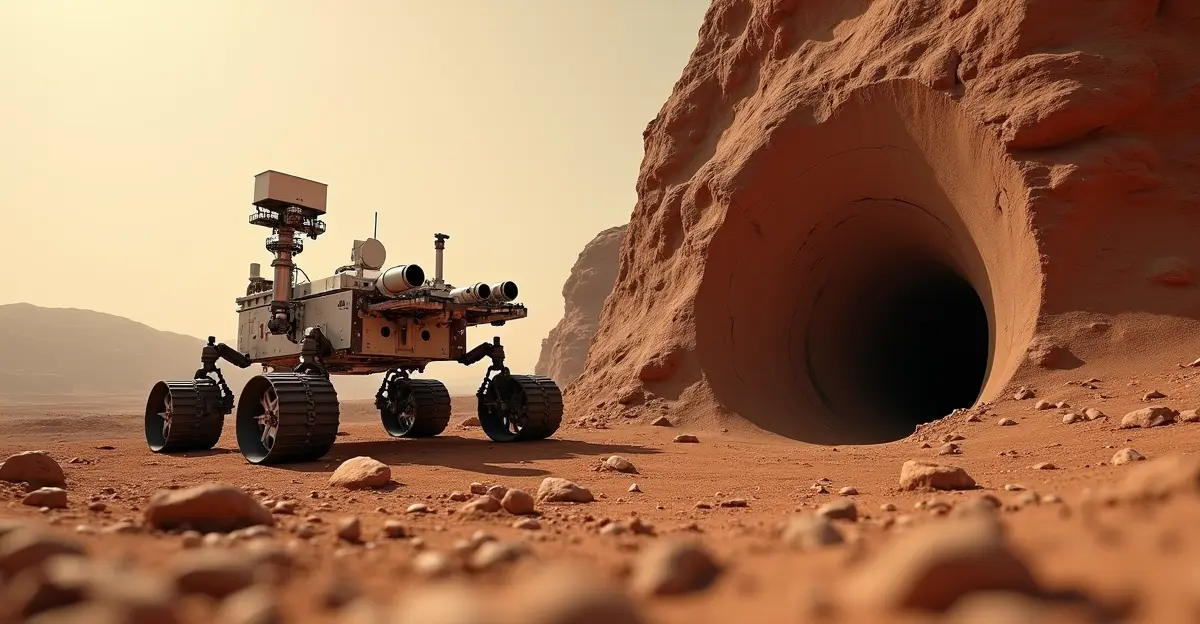
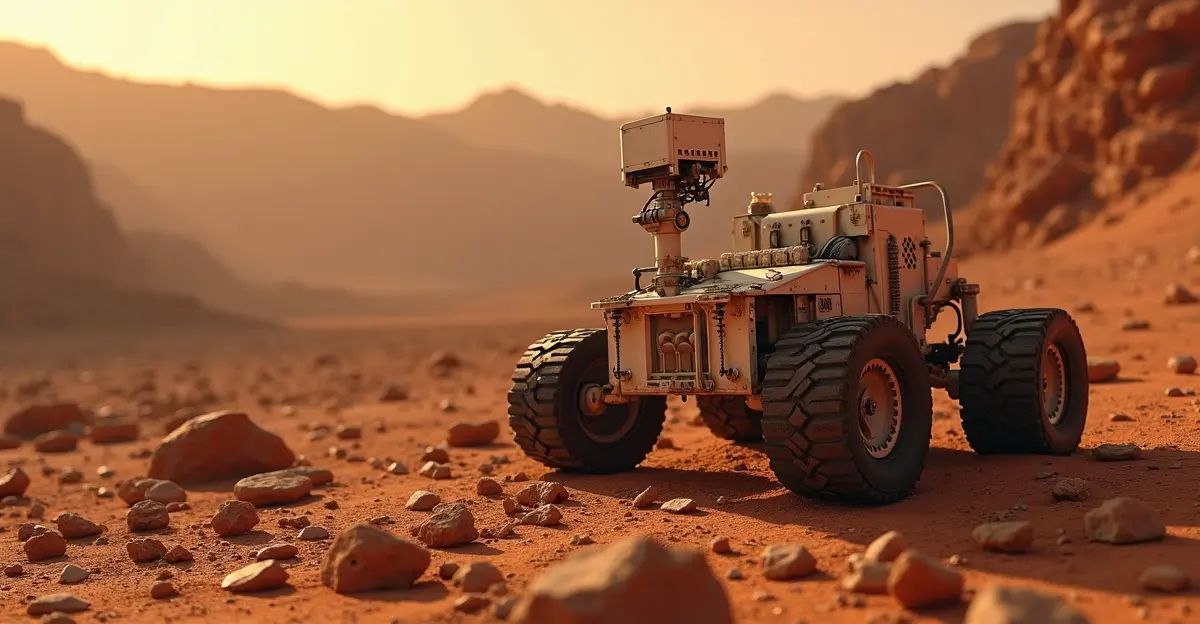
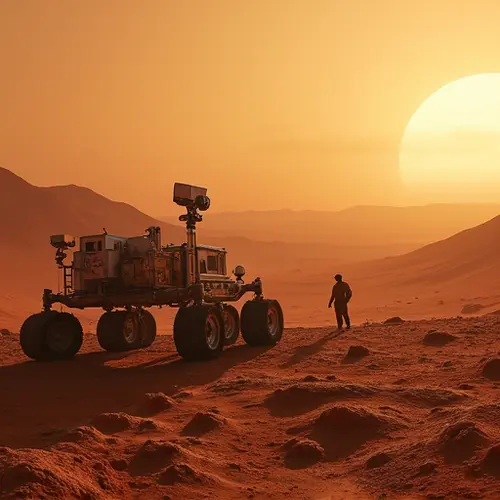
NASA's Perseverance rover has made what scientists are calling the most compelling discovery to date in the search for ancient life on Mars. The rover identified iron-rich minerals in leopard-like spots on a rock named Cheyava Falls within Jezero Crater - minerals that on Earth typically form through microbial activity.
The Smoking Gun Evidence
The mineral combination found in these distinctive markings represents what NASA describes as a 'potential fingerprint' for microscopic life that may have existed billions of years ago when Mars had rivers and lakes. 'We are closer than ever before to finding evidence of past life on Mars,' says astrobiologist Inge Loes ten Kate from the University of Amsterdam and Utrecht University.
According to NASA's official release, the specific mineralogical signatures are particularly difficult to explain through non-biological processes. While previous discoveries could be attributed to abiotic chemistry, this finding presents the first instance where non-biological explanations are significantly challenging to substantiate.
Scientific Caution and Historical Context
Researchers waited a full year before publishing their findings in the prestigious journal Nature, reflecting the scientific community's caution following the 1996 'rock 84001' debacle when similar claims were later disproven. Geochemist Paul Mason from Utrecht University notes: 'Researchers have never come this close before when it comes to finding biosignatures on Mars.'
The scientific team emphasizes that while this represents the strongest evidence yet, definitive confirmation requires laboratory analysis on Earth. Perseverance has already collected a sample from the Cheyava Falls rock, stored in one of its titanium tubes for potential future return to Earth.
The Mars Sample Return Challenge
The critical next step involves the complex Mars Sample Return mission, a multi-spacecraft operation that would bring Martian samples back to Earth for detailed analysis. However, this ambitious mission faces political and budgetary challenges, particularly regarding funding priorities under the current administration.
Despite these hurdles, the scientific community remains optimistic that analysis of these specific samples could provide what Ten Kate describes as potentially 'one of the strongest indications that microbes were able to grow on ancient Mars.'

Follow Discussion