Nederlands
 English
 Deutsch
 Français
 Español
 Português





The Rise of Student CubeSat Programs
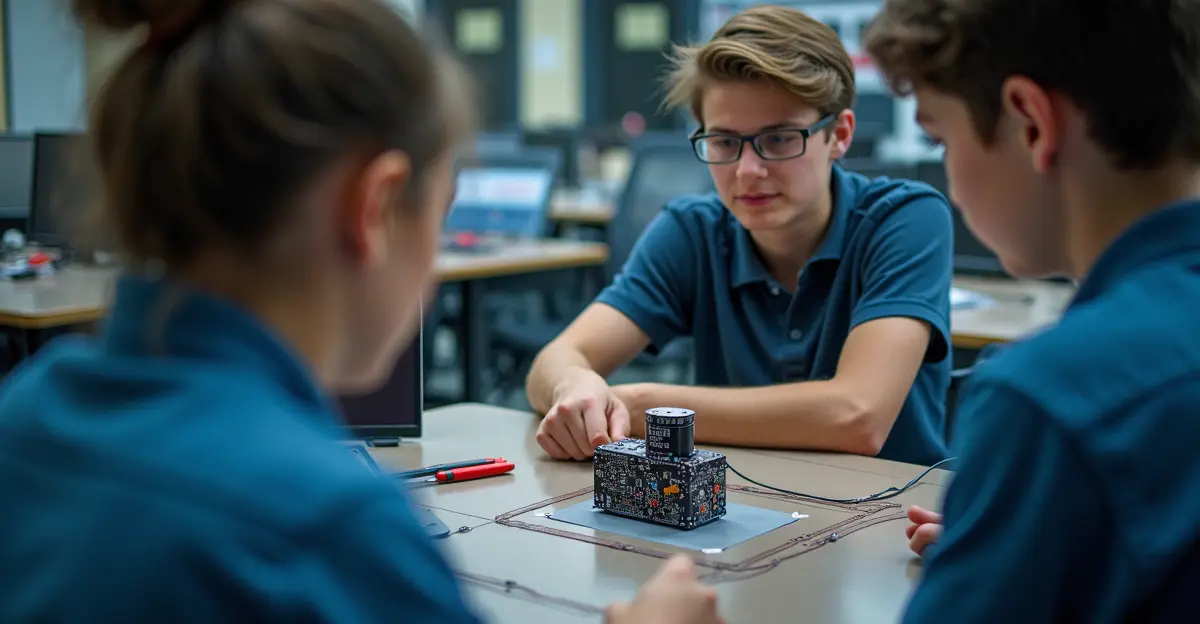
University CubeSat programs are revolutionizing space education by giving students hands-on experience with real space missions. These small, cube-shaped satellites measuring just 10×10×10 cm are enabling students worldwide to design, build, and launch their own spacecraft while conducting genuine scientific research.
Budget Realities and Funding Challenges
Developing a CubeSat mission typically costs between $50,000 to $500,000, depending on the complexity and instrumentation. Most university programs rely on a combination of NASA grants through programs like ELaNa (Educational Launch of Nanosatellites), university funding, and industry partnerships. NASA's CubeSat Launch Initiative has selected over 150 CubeSat missions since its inception, with many being student-led projects.
Launch Opportunities and Rideshare Programs
The biggest challenge for student teams isn't building the satellite—it's getting it to space. Most CubeSats launch as secondary payloads on larger missions through programs like NASA's ELaNa, which provides free launch opportunities for educational institutions. Companies like Rocket Lab and Firefly Aerospace also offer dedicated small satellite launch services, though at higher costs.
Real Science Achievements
Despite their small size, student CubeSats are making significant contributions to space science. Recent missions have included Earth observation studies, atmospheric research, technology demonstrations, and even deep space missions like NASA's MarCO CubeSats that accompanied the InSight mission to Mars.
Lessons Learned and Educational Value
The educational benefits extend far beyond technical skills. Students learn project management, teamwork, budgeting, and problem-solving under real-world constraints. Many participants go on to careers in aerospace, bringing valuable hands-on experience to the industry.
Future of Student Space Exploration
As launch costs continue to decrease and technology becomes more accessible, student CubeSat programs are expanding globally. Universities are forming international collaborations, and the next generation of space professionals is gaining unprecedented early experience with space missions.