


 English
 Nederlands
 Deutsch
 Français
 Español
 Português

Search
-

US $36T Debt: Treasury Fragility & Global Contagion Risk 2026
US national debt hits $39.2 trillion in 2026 with debt-to-GDP at 127%. IMF warns global debt near 100% of GDP. Treasury fragility from hedge fund leverage and safety premium erosion risks global fiscal contagion.
-

Tariff Shockwaves: 2026 US Tariffs Force Global Supply Chain Reset
72% of trade professionals now identify US tariff volatility as the top regulatory challenge, per Thomson Reuters. With 65% of firms shifting sourcing and 51% nearshoring, global supply chains are restructuring from Southeast...
-

Hormuz Crisis 2026: Reshaping Global Supply Chains Beyond Oil
The 2026 Strait of Hormuz closure disrupted helium, sulphur, and aluminium supplies beyond oil. Shipping costs surged up to 900%, Asian economies face severe impact, and nearshoring accelerates. IMF cuts growth to 3.1%.
-

Strait of Hormuz Shock: 2026 Energy Crisis Reshapes Global Trade
The February 2026 Strait of Hormuz closure triggered the largest oil disruption in history, with Brent at $126. Global trade growth may fall to 1.5%, 45 million face hunger, and $3 trillion in labor income is at risk. Learn...
-
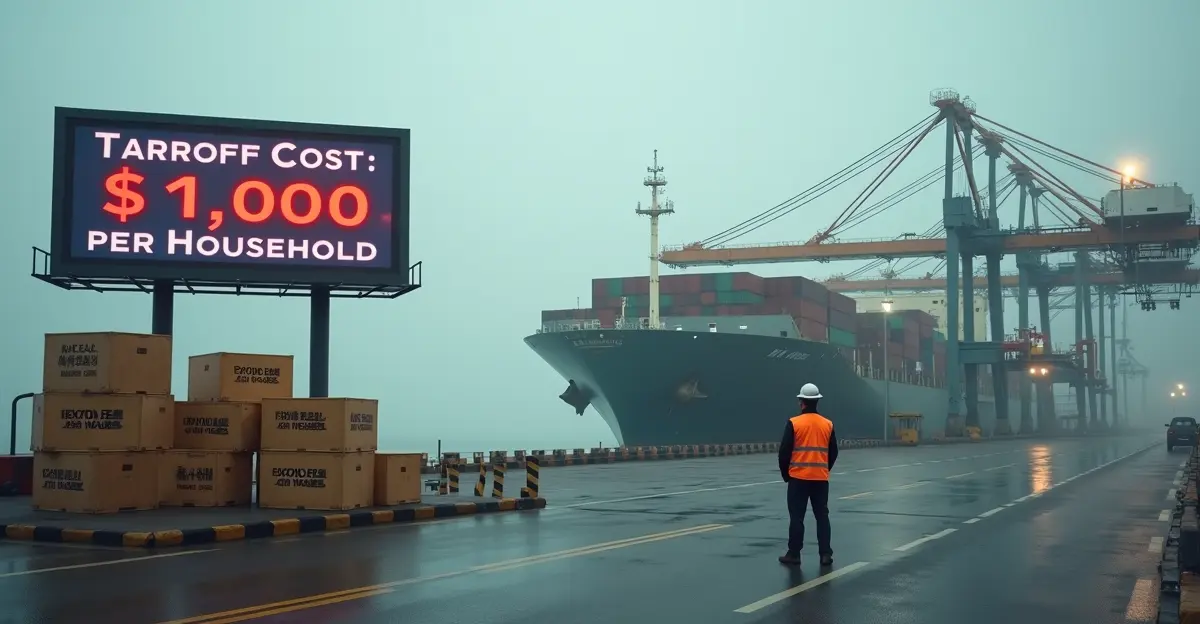
Geoeconomic Confrontation: Why Supply Chains Become Weapons in 2026
WEF ranks geoeconomic confrontation as the #1 risk in 2026. With US tariffs soaring to 22%, 18,000+ trade barriers, and 65% of firms shifting supply chains, global trade is being weaponized. Learn how friendshoring and...
-

Permanent Fragmentation: Why Global Trade Is Reshaping Itself in 2026
Global trade fragmentation in 2026 is costing $213–$307B annually as 76% of businesses expect US tariffs to last. WEF warns of 6.4% GDP loss in worst case. Learn how supply chains are permanently rewiring.