


 English
 Nederlands
 Deutsch
 Français
 Español
 Português

Search
-

Strait of Hormuz Crisis: How the 2026 Conflict is Reshaping Global Energy Security
The February 2026 Strait of Hormuz closure has triggered history's largest oil disruption, affecting 25-30% of global oil flows. This crisis is forcing 60+ countries to fundamentally restructure energy security frameworks and...
-

Quantum-AI Convergence Explained: How 2026's Integrated Digital Infrastructure Redefines Global Security
Q1 2026 marks quantum-AI convergence creating integrated 'Trust Stack' infrastructure. Google warns quantum computers may break encryption within 5-10 years, while EU deploys digital identity for 448M citizens. Discover how...
-
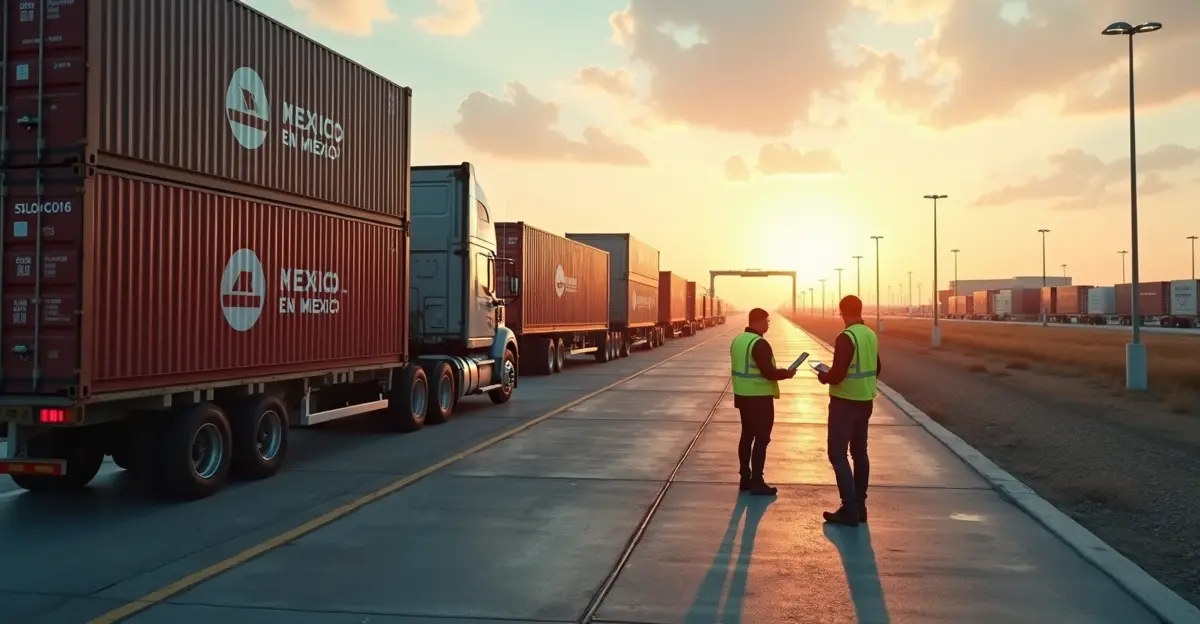
Friend-Shoring Explained: How 2026 Supply Chain Reconfiguration Reshapes Global Trade
Mexico surpasses China as U.S.'s largest trading partner in 2026, marking historic supply chain shift to friend-shoring. Companies accept 15-25% higher costs for resilient, politically-aligned supply chains. Discover how this...
-

Supply Chain Reconfiguration 2026: How Tariff Volatility Reshapes Global Trade Architecture
72% of trade professionals identify U.S. tariff volatility as the most impactful regulatory change in 2026, forcing 51% nearshoring, 65% sourcing changes, and 40% AI adoption. Discover how global trade architecture is being...
-

AI Trade Paradox Explained: How Semiconductor Exports Reshape Global Geopolitics in 2026
AI-related trade accounted for one-third of global growth in 2025, creating a paradox where geopolitical fragmentation coexists with deepening economic interdependence through semiconductor supply chains. Discover how...
-

Quantum Computing 2026: Strategic Guide to Cybersecurity & Financial System Implications
2026 marks quantum computing's inflection point when quantum computers first outperform classical systems, creating urgent cybersecurity threats to global financial systems and national security. Learn strategic implications...