Nederlands
 English
 Deutsch
 Français
 Español
 Português






The Neuroscience of Decision Fatigue
In today's fast-paced world, the constant barrage of push notifications, open tabs, and endless choices is overwhelming our mental capacity to make decisions. This phenomenon, known as decision fatigue, refers to the deteriorating quality of decisions after prolonged decision-making sessions. It’s a concept popularized by John Tierney and rooted in the idea that our cognitive resources are finite.
What Is Decision Fatigue?
Decision fatigue arises when the brain becomes exhausted from making too many choices, leading to impulsive or avoidant behaviors. It’s closely linked to ego depletion, a state where self-control and willpower are diminished. For example, major figures like Barack Obama and Steve Jobs famously limited their daily wardrobe choices to conserve mental energy for more critical decisions.
The Science Behind It
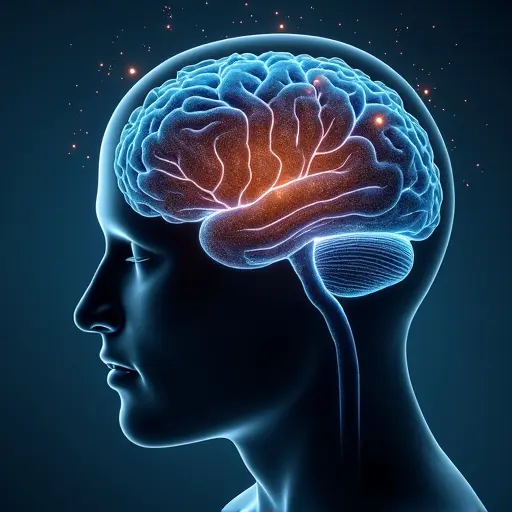
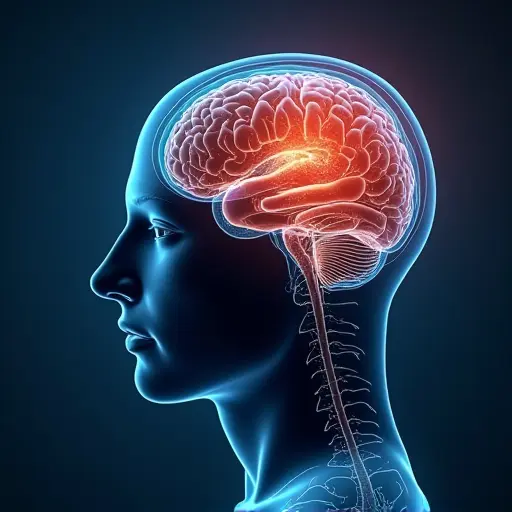
Neuroscientific research reveals that decision-making is a resource-intensive process. The prefrontal cortex, responsible for executive functions like reasoning and self-control, becomes overworked. Studies by Kathleen Vohs and Roy Baumeister show that repeated decision-making tasks impair cognitive performance, even affecting persistence in unrelated tasks like solving math problems.
Modern Triggers
The digital age exacerbates decision fatigue. From endless streaming options to social media feeds, our brains are bombarded with micro-decisions. This overload can lead to default choices (like mindlessly scrolling) or poor trade-offs (such as unhealthy food choices).
How to Combat It
To mitigate decision fatigue, experts recommend:
- Simplifying routines: Reduce trivial decisions, like meal planning or outfit selection.
- Prioritizing tasks: Tackle high-stakes decisions early in the day when mental energy is fresh.
- Taking breaks: Short pauses can replenish cognitive resources.
Understanding the neuroscience of decision fatigue empowers us to design lifestyles that protect our mental bandwidth and improve overall well-being.