Why do depression, insomnia, and anxiety disorders often occur together?

A study reveals that depression, insomnia, and anxiety disorders share a common brain mechanism, explaining why they often co-occur. Researchers identified overlapping neural circuit vulnerabilities and disorder-specific abnormalities.

depression-insomnia-anxiety-study
Facebook X LinkedIn Bluesky WhatsApp

Depression, insomnia, and anxiety disorders are three common mental health conditions that affect many people in society. Interestingly, these conditions often co-occur. Why is that?

Although these are the most prevalent mental health disorders, treatments are often only moderately effective, and symptoms frequently return. Researchers from the Netherlands Institute for Neuroscience and Vrije Universiteit Amsterdam investigated whether a shared brain mechanism might underlie these conditions.

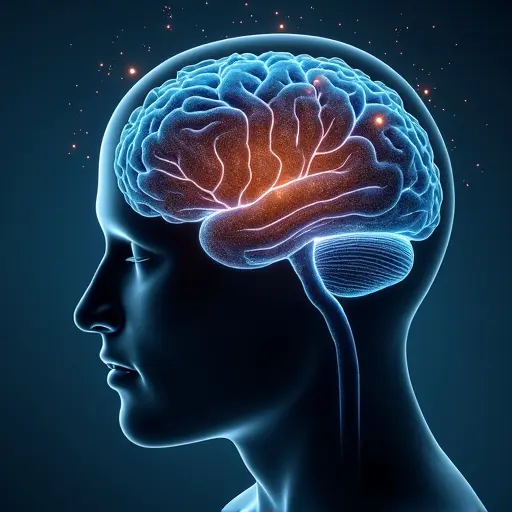
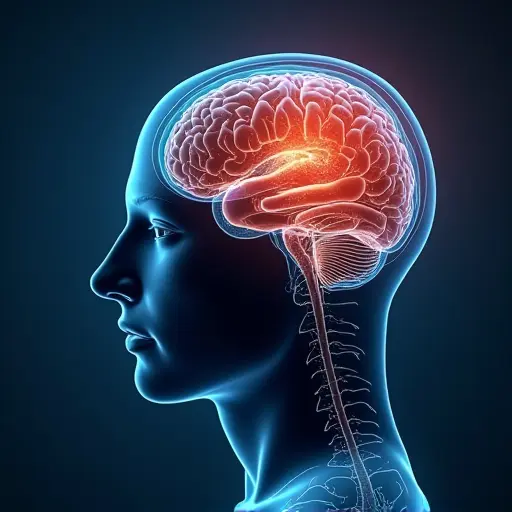
Their study, published in Nature Mental Health, found that reduced cortical surface area, a smaller thalamus volume, and weaker connectivity between brain regions are common across all three disorders. These regions are part of the same neural circuit (amygdala-hippocampus-medial prefrontal cortex), suggesting a shared vulnerability.

Specific abnormalities were also identified for each disorder, such as smaller reward-related brain areas in insomnia and a thinner cortex in language and emotion regions for depression.


Related

ai-therapy-chatbots-mental-health
Ai

AI Therapy Chatbots: Promise and Peril in Mental Health

AI therapy chatbots show promise in expanding mental health access but face significant risks including dangerous...

teen-anxiety-crisis-mental-health-youth
Health

Teen Anxiety Crisis: Rising Mental Health Challenges Among Youth

Teen anxiety levels are rising dramatically, with digital media and pandemic effects contributing to a mental health...

ai-chatbot-mental-health-trial
Ai

AI Mental Health Chatbot Trial Expands to More Patients

Major clinical trial expands testing of AI mental health chatbots that deliver cognitive behavioral therapy. Early...

depression-insomnia-anxiety-study
Health

Why do depression, insomnia, and anxiety disorders often occur together?

A study reveals that depression, insomnia, and anxiety disorders share a common brain mechanism, explaining why they...

mental-health-mindfulness-journaling
Life

Improve Your Mental Health in Just 15 Minutes a Day with These Science-Backed Methods

Improving mental health doesn't require hours—just 15 minutes a day of mindfulness, journaling, walking, or dancing...

excessive-work-brain-structure
Health

Excessive work alters brain structure, research reveals

A study reveals that excessive work alters brain structure, potentially harming cognitive functions and mental...