Nederlands
 English
 Deutsch
 Français
 Español
 Português






Defiant Pride March Draws Huge Crowds in Budapest
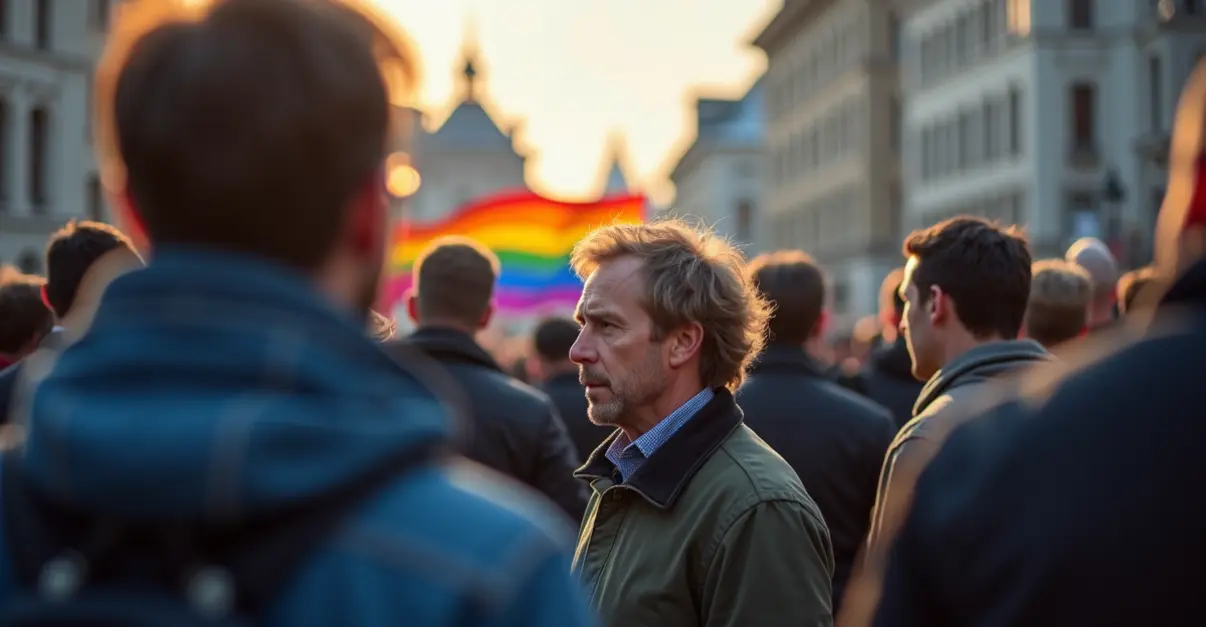
Despite an official ban by Hungarian authorities, over 100,000 participants joined the Budapest Pride march today in a powerful demonstration for LGBTQ rights. Police estimates placed attendance at 100,000 while organizers reported 180,000-200,000 participants - making it one of Hungary's largest anti-government protests.
International Solidarity
Amsterdam Mayor Femke Halsema marched alongside Budapest Mayor Gergely Karácsony, declaring: "You and the international queer community have Amsterdam's support in the fight for freedom." Dutch MPs from VVD, GroenLinks/PvdA, D66 and Volt parties participated alongside the Dutch ambassador to Hungary, who received official permission from the outgoing foreign minister.
Government Opposition
The ban stems from Prime Minister Viktor Orbán's legislation passed in March 2025 prohibiting LGBTQ-focused public assemblies. This follows earlier laws banning LGBTQ content in media accessible to minors and non-recognition of same-sex marriages. Orbán's government has systematically restricted LGBTQ rights since 2021 under his "illiberal democracy" platform.
Peaceful Defiance
Despite far-right counter-protest attempts, the march proceeded peacefully without police intervention. Amnesty International called the event "fantastically festive." However, cameras recorded participants, raising concerns about potential retroactive fines using facial recognition.
Political Divisions
While Dutch State Secretary Paul (VVD) attended Pride events, she refrained from marching citing "unclear situation for a cabinet representative," despite parliamentary pressure. This decision drew criticism from LGBTQ organizations.