


 Deutsch
 English
 Español
 Français
 Nederlands
 Português


 Share
Share




Final Push in Debt Ceiling Talks
Bipartisan negotiations have entered a decisive phase as lawmakers race against the clock to raise the US debt ceiling before the Treasury's extraordinary measures are exhausted. Treasury Secretary Janet Yellen has warned that the United States could default on its obligations as early as mid-July if Congress fails to act, potentially triggering global financial turmoil.
Stakes of the Standoff
The current debt limit of $31.4 trillion was reinstated on January 1, 2025, after the previous suspension expired. Since then, the Treasury has employed accounting maneuvers to continue funding government operations, but these temporary solutions are nearing depletion. A failure to raise the ceiling would force the US government to:
- Miss payments to federal workers and contractors
- Delay Social Security and Medicare disbursements
- Risk defaulting on US Treasury bonds
Negotiation Dynamics
Republicans are demanding significant spending cuts and budget reforms as conditions for supporting a debt limit increase. House Speaker Mike Johnson has proposed freezing discretionary spending at 2024 levels while accelerating permitting for energy projects. Democrats, led by Senate Majority Leader Chuck Schumer, seek a clean debt ceiling increase without policy riders, arguing that fiscal debates should occur during budget negotiations.
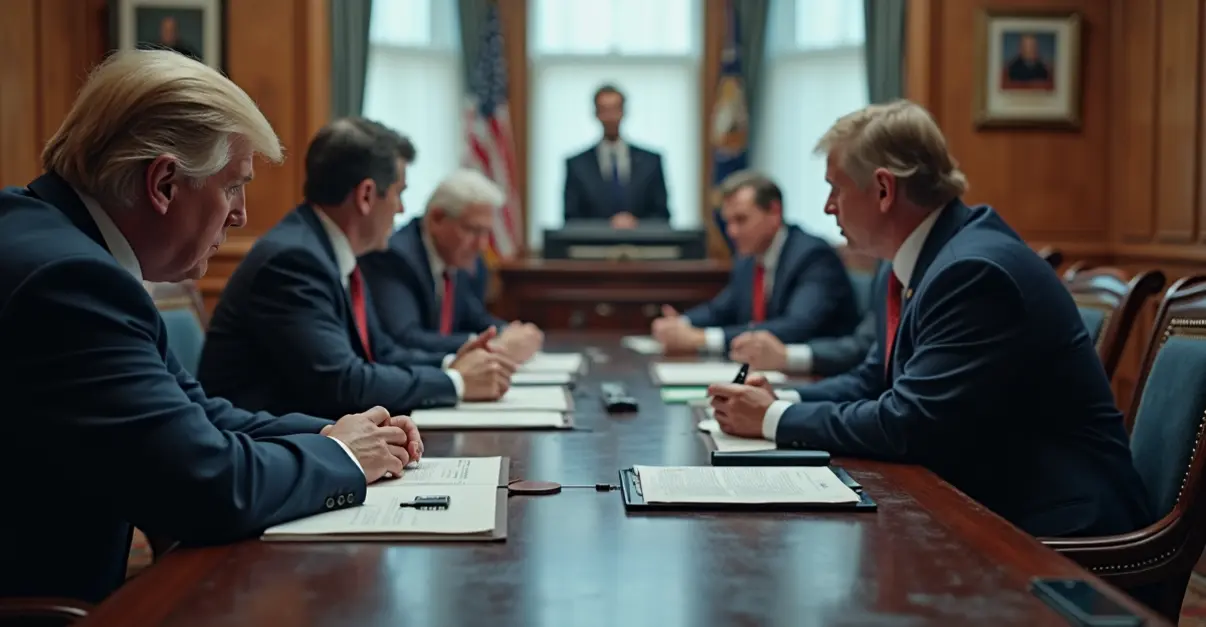
President Biden has taken a hands-on approach, hosting multiple Oval Office meetings with congressional leaders this week. "We cannot play Russian roulette with the full faith and credit of the United States," Biden stated during a press briefing.
Market Jitters
Financial markets have shown increasing volatility as the deadline approaches. The cost of insuring US debt against default (CDS spreads) has doubled since January. Major credit rating agencies have placed US debt on "negative watch," with Moody's warning of potential downgrade if the impasse continues.
Federal Reserve Chair Jerome Powell cautioned: "A US default would create unprecedented economic disruption that no central bank could fully offset." Historical precedent shows that the 2011 debt ceiling crisis cost taxpayers $1.3 billion in higher borrowing costs that year alone.
Path Forward
Negotiators are reportedly considering a two-step solution:
- A short-term suspension through September 2025
- A bipartisan fiscal commission to address long-term debt sustainability
Both chambers aim to hold votes before the July 4 recess. With narrow majorities in both houses, leadership will need near-unanimous support from their respective parties to pass any agreement. Congressional Budget Office projections indicate that failure to act could shrink GDP by 4-6% and eliminate 3 million jobs.





Follow Discussion