


 Deutsch
 English
 Español
 Français
 Nederlands
 Português


 Share





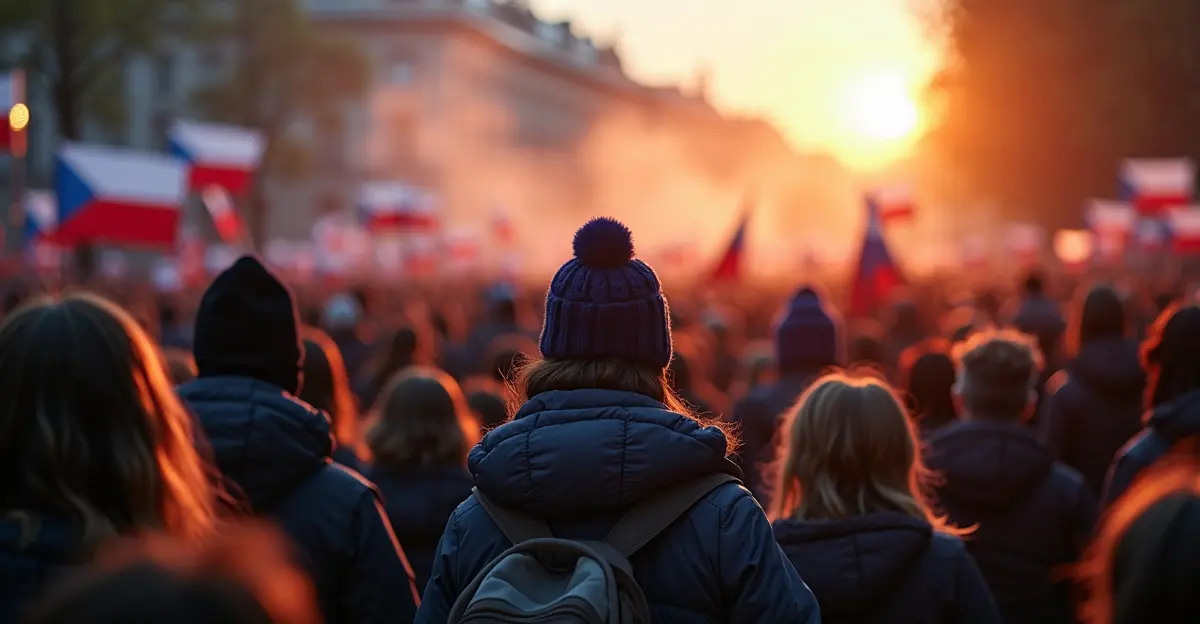
An estimated 350,000 people packed central Prague on Sunday to protest the Czech government's plan to scrap mandatory licence fees and fund public broadcasters from the state budget, in what organisers called one of the country's largest demonstrations since the 1989 Velvet Revolution. The Prague rally against the Czech public-media funding overhaul underscored rising fears that the proposed change would hand politicians direct control over Czech Television (ČT) and Czech Radio (ČRo).
What Is the Czech Public-Media Funding Overhaul?
The centre-right coalition government, led by Prime Minister Petr Fiala, has proposed ending the compulsory television and radio licence fees—currently 135 Czech crowns ($6.20) per month for television and 45 crowns ($2.10) for radio—and replacing them with an annual allocation from the state budget. Supporters say the move would cut administrative costs and make funding more predictable, while critics argue it would allow future governments to use budget negotiations to pressure editors and journalists. The Czech public broadcaster reform has become a litmus test for media independence in the European Union.
Why Did 350,000 People Rally in Prague?
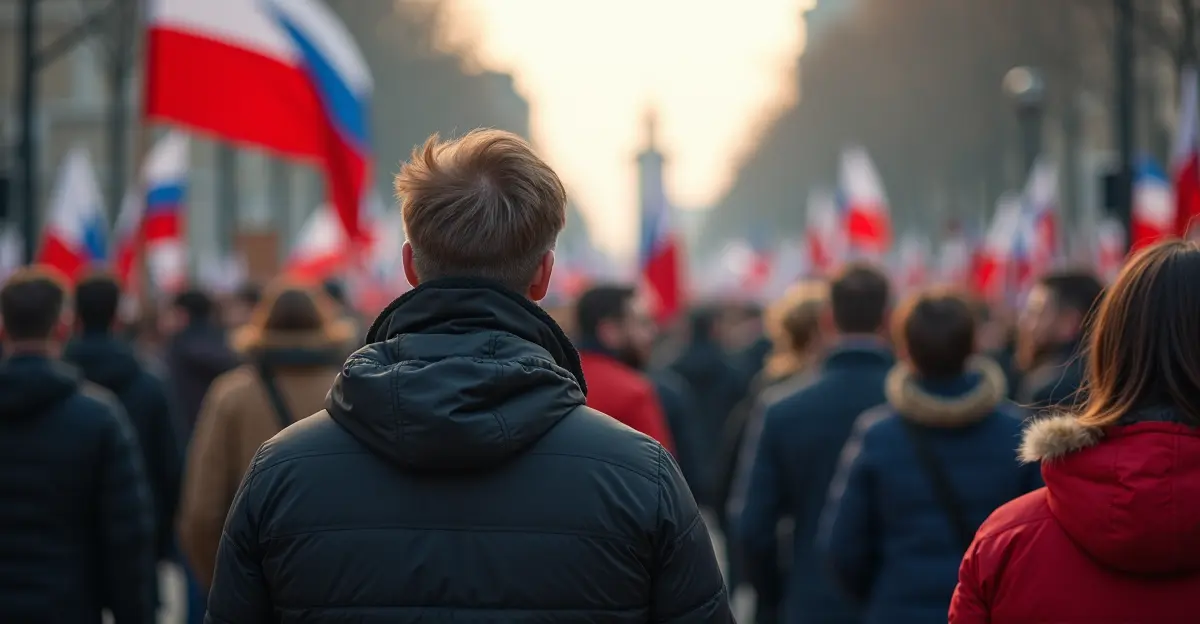
Organisers from civic groups and media unions estimated 350,000 participants, a figure that, if confirmed, would rival the mass protests of 1989 that ended communist rule. Police did not immediately provide an official crowd estimate. Demonstrators filled Wenceslas Square and spilled into surrounding streets, waving Czech and European Union flags and carrying banners reading 'Hands off Czech TV' and 'Media freedom is not a budget line.' One protester, a Prague teacher, told reporters: 'This is not about saving money. It is about whether politicians can decide what we watch and hear.' The turnout reflects broader European media freedom protests that have grown since Hungary and Poland moved to tighten control over public broadcasters.
Organisers Call It a Fight for Media Freedom
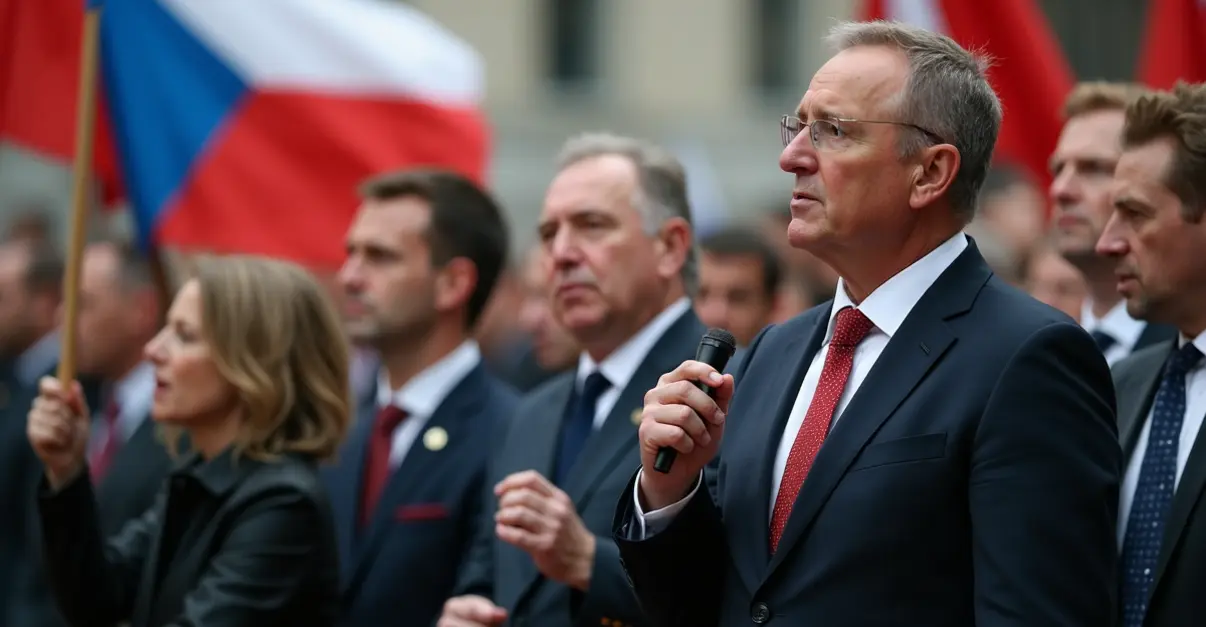
Organisers said in a statement that the protest sent a clear message. 'We are not against reform. We are against a reform that turns an independent public service into a government department,' the statement read. They noted that the state budget allocation could be cut or conditioned each year, creating a 'permanent election campaign' for broadcasters.
Government Defends Cost-Cutting Plan
Prime Minister Petr Fiala's government argues that public broadcasters must reduce costs like all public institutions. A government spokesperson said the budget-based system would be 'more transparent and better protected from fee evasion,' pointing out that about 15% of Czech households currently do not pay the licence fee. The coalition also insists that editorial independence will be guaranteed by law. However, the proposal has drawn criticism from the European Commission media monitoring and press freedom groups, which warn that moving funding to the annual state budget gives any future government a powerful lever over newsrooms.
Licence Fees vs State Budget Funding: Key Differences
| Feature | Current licence fee system | Proposed state budget funding |
|---|---|---|
| Funding source | Mandatory household fee (TV + radio) | Annual allocation from central budget |
| Political influence | Relatively insulated; set by law | Subject to annual budget negotiations |
| Cost to households | 135 CZK TV + 45 CZK radio per month | Replaced by general taxation |
| Enforcement | Fee collection and evasion checks | No individual collection |
The table shows why the overhaul is controversial: while it removes an unpopular household fee, it shifts control of public-media revenue to politicians who must approve the budget each year. That, critics say, is precisely the kind of dependence that undermines media independence in Central Europe.
Wider European Implications
Prague's protest is the latest flashpoint in a broader debate over public-service media across the European Union. In Hungary, public broadcasting has been folded into a pro-government foundation, and in Poland the previous government sought to reshape state media before losing power in 2023. The Czech demonstration is being watched closely in Brussels, where officials have made media freedom a condition of EU funding. If the overhaul proceeds, it could embolden other governments to follow suit, analysts said. The licence fee abolition debate is no longer just a Czech issue; it is a test of whether EU member states will defend independent journalism.
What Happens Next?
The Czech government has not yet set a final vote on the bill, and opposition parties have vowed to block it in parliament. Organisers said Sunday's rally was 'only the beginning' and threatened further protests if the proposal advances. For now, the sheer size of the crowd—possibly the largest since 1989—has made the public-media funding overhaul one of the most contentious issues in Czech politics.
FAQ: Prague Rally and Czech Public-Media Funding
What is the Czech public-media funding overhaul? It is a government proposal to scrap mandatory TV and radio licence fees and replace them with direct funding from the state budget for Czech Television and Czech Radio.
Why are people protesting in Prague? Protesters fear that moving public-media funding to the annual state budget will give politicians direct control over broadcasters and stifle media freedom.
How many people attended the Prague rally? Organisers estimated 350,000 participants, which they said could be one of the country's largest protests; police have not yet released an official count.
What are the current Czech licence fees? Households currently pay 135 Czech crowns per month for television and 45 crowns for radio, roughly $6.20 and $2.10 respectively.
Will Czech Television and Czech Radio lose independence? The government says independence will be protected by law, but press freedom groups warn that annual budget negotiations could create political pressure on newsrooms.

Follow Discussion