


 Deutsch
 English
 Español
 Français
 Nederlands
 Português


 Share





Indian authorities locked down New Delhi and detained tens of thousands of people on Saturday, 10 October 2026, to prevent a mass anti-government rally by the youth-led Cockroach Janata Party (CJP). The protest targeted the Election Commission of India's 'special intensive revision' (SIR) that removed roughly 130 million names from electoral rolls, a move critics say disproportionately disenfranchised Muslims, the poor, and other marginalized voters. The unprecedented security operation shut metro stations, cancelled trains, and saw police detain CJP founder Abhijeet Dipke upon his arrival at Delhi airport.
What is the 'Cockroach' protest and why did it start?
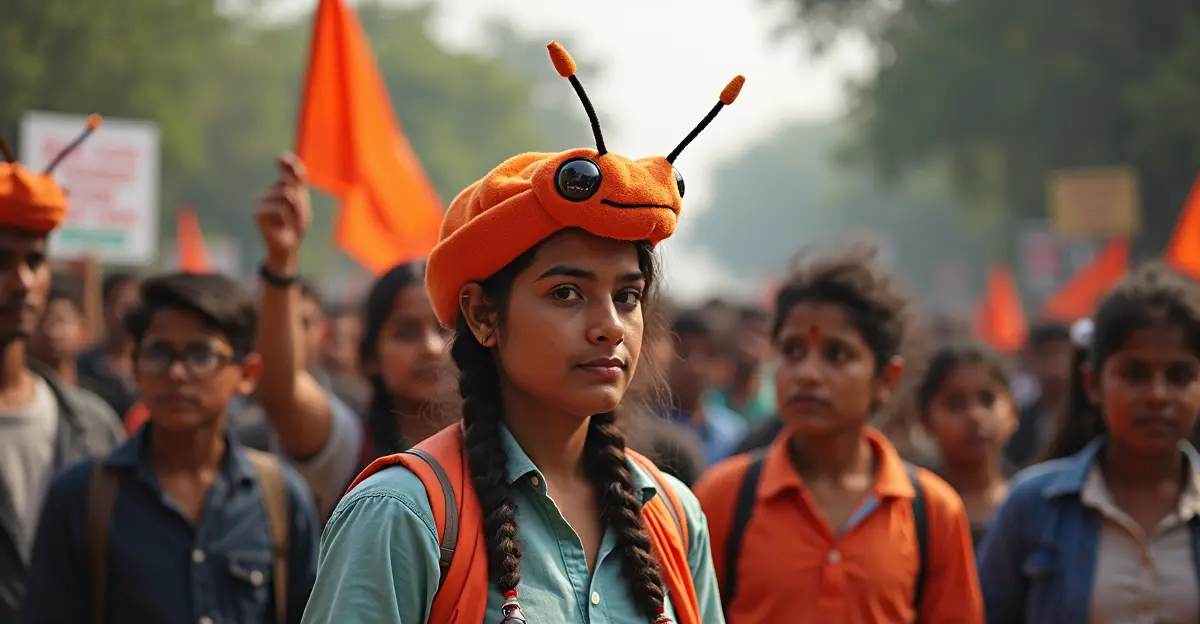
The Cockroach Janta Party emerged in May 2026 after India's Chief Justice likened jobless youth to 'cockroaches.' The group, led by 24-year-old Abhijeet Dipke, quickly transformed a satirical insult into a nationwide movement demanding electoral reform. Its immediate target is the Special Intensive Revision (SIR), a voter-verification drive that began in June 2025 and required citizens to prove their eligibility with documents. The Election Commission says deletions include 28 million deceased, 63 million relocated, 10 million duplicates, and 30 million untraceable voters. Opposition parties and civil-society groups reject those figures as misleading and allege the purge deliberately removed Muslim and minority voters ahead of crucial state elections.
How Delhi was locked down on 10 October 2026
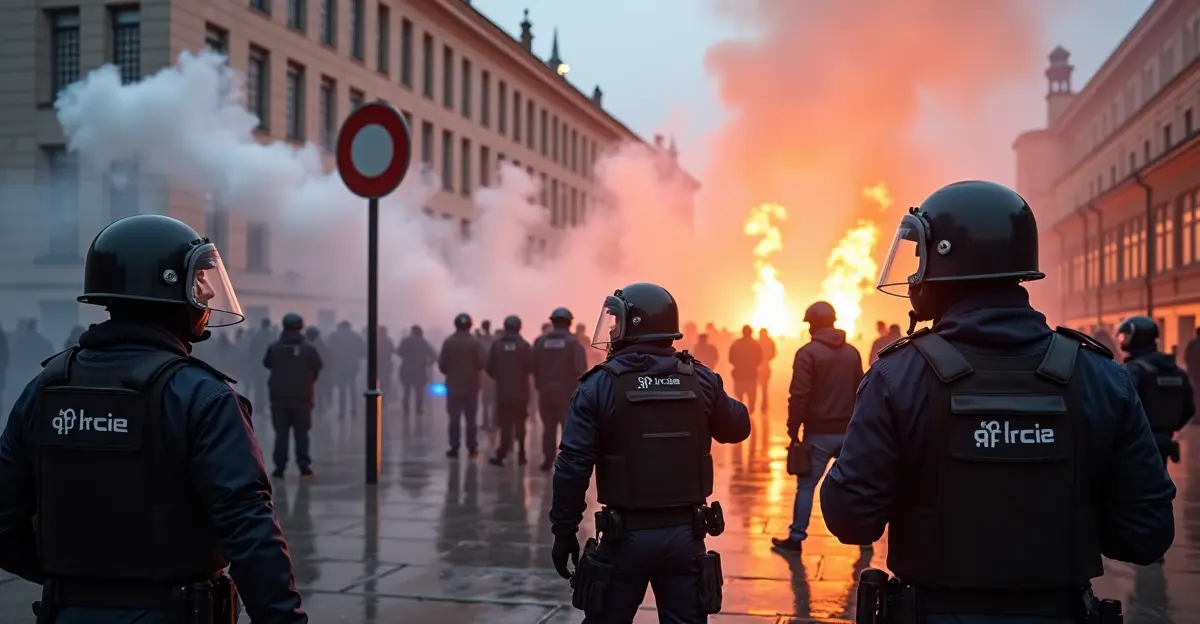
Police denied permission for the CJP rally at Jantar Mantar and transformed central Delhi into a security fortress. More than 25,000 personnel were deployed, roads barricaded, and mobile internet suspended in the central business district. Nearly 50 metro stations were shut, trains into Delhi were cancelled for 10 hours, and schools and courts moved online. Authorities also sealed Jantar Mantar and bused more than 6,000 people away from the area.
- Over 25,000 security personnel deployed
- Nearly 50 metro stations closed
- Trains into Delhi cancelled for 10 hours
- Mobile internet suspended in central business district
- Jantar Mantar sealed and over 6,000 people bused away
Similar security operations have marked previous mass protest crackdowns in the capital, but the scale of Saturday's lockdown drew immediate international criticism.
Who was detained and what charges were filed?
CJP founder Abhijeet Dipke and leaders Saurav Das and Ashutosh Ranka were detained after police boarded their plane at Delhi airport. YouTuber Dhruv Rathee was placed under house arrest, and former Delhi chief minister Arvind Kejriwal was detained at the protest site. Police held roughly 2,000–2,500 people in Delhi and about 600 in Mumbai. A New Delhi court released the three CJP leaders the next day on condition of no breach of peace for one year. The detentions of opposition leaders and journalists prompted the UN human rights office and Amnesty International to criticize the mass arrests. Protesters vowed to return, describing the movement as India's 'second freedom struggle.'
Why the electoral roll purge is so controversial
Human Rights Watch called the SIR 'arbitrary and deeply flawed,' noting that undefined 'logical discrepancies' removed people for name mismatches, spelling errors, or having many siblings. Deleted voters were reportedly denied food subsidies, passports, scholarships, and welfare. The controversy deepened after Indian Express reports in September 2026 alleged internal dissent within the Election Commission, with commissioners filing written objections at least 14 times. Opposition parties now demand the resignation of Chief Election Commissioner Gyanesh Kumar and the annulment of the SIR. The row could influence upcoming Indian state elections and has already reached the Supreme Court.
What happens next?
The CJP and allied groups say they will return in greater numbers. The government has dismissed protesters as 'anarchic elements,' while the Election Commission denies bias. As India prepares for further state elections, the fate of 130 million deleted voters remains unresolved, and calls for electoral roll restoration are growing louder.
FAQ: Cockroach protest and India's voter purge
What is the Special Intensive Revision (SIR)?
The SIR is a voter-roll verification drive that required citizens to prove eligibility with documents, leading to the removal of about 130 million names since June 2025.
Why is the movement called 'Cockroach'?
The name comes from a 2026 remark by India's Chief Justice comparing jobless youth to 'cockroaches,' which young activists adopted as a badge of protest.
Who is Gyanesh Kumar and why do protesters want him to resign?
Gyanesh Kumar is India's Chief Election Commissioner who oversaw the SIR. Critics allege the process was biased and procedurally flawed, and opposition parties demand his resignation.
How many people were detained on 10 October 2026?
Police held roughly 2,000–2,500 people in Delhi and about 600 in Mumbai, including CJP leaders, journalists, and former Delhi chief minister Arvind Kejriwal.
Has the Election Commission responded to the allegations?
The Commission denies bias, saying removals follow lawful procedures. It has announced special enrollment drives and mandatory meetings for new initiatives, but critics say these measures are insufficient.
Conclusion
The Delhi lockdown and mass detentions mark a serious escalation in India's electoral-integrity crisis. As the Cockroach movement gains momentum and international scrutiny mounts, the outcome will test the resilience of the world's largest democracy ahead of pivotal state elections.

Follow Discussion