


 Deutsch
 English
 Español
 Français
 Nederlands
 Português


 Share
Share




What is the Trump Signature Currency Change?
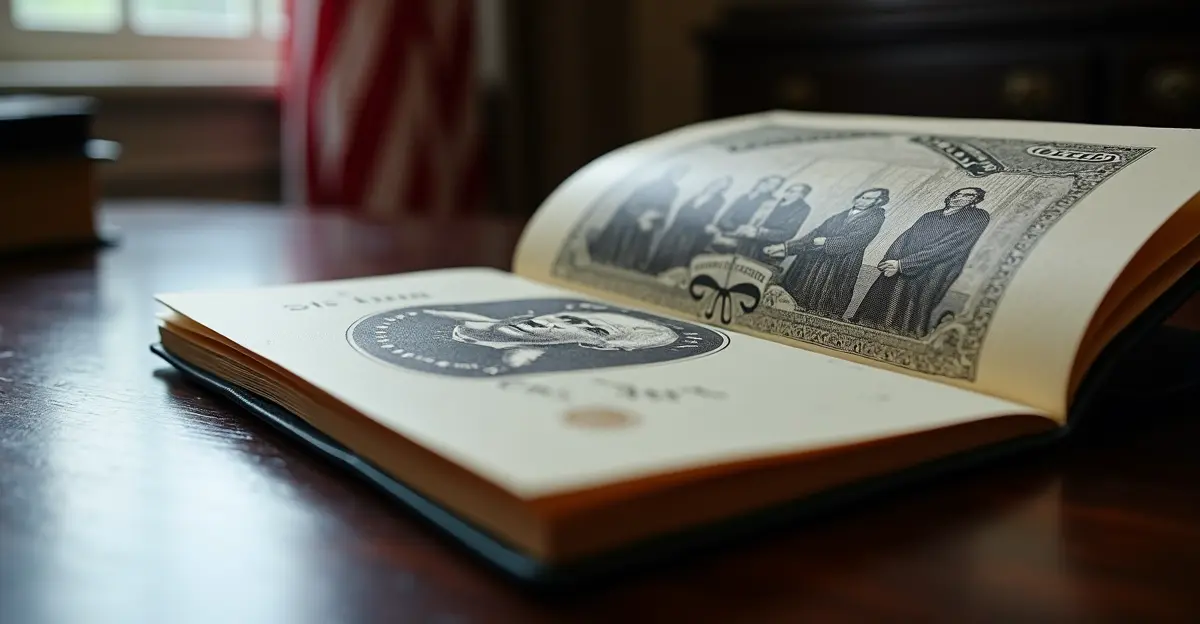
In a historic departure from 165 years of tradition, the U.S. Treasury Department announced on March 26, 2026 that President Donald J. Trump's signature will appear on all future U.S. paper currency. This unprecedented move marks the first time a sitting president's signature will be featured on American money, breaking with the longstanding practice of featuring only the signatures of the Treasury Secretary and U.S. Treasurer. The change comes as the nation prepares to celebrate the 250th anniversary of American independence, known as the Semiquincentennial.
Breaking with Historical Precedent
For more than a century and a half, U.S. currency has featured the signatures of Treasury officials rather than presidents. Since 1861, the U.S. Treasurer's signature has appeared on all paper money, alongside the Treasury Secretary's signature. This tradition maintained a separation between the executive branch's political leadership and the nation's monetary symbols. The Trump administration's decision represents a significant shift in how the United States monetary policy traditions are maintained and perceived globally.
Treasury Secretary Scott Bessent defended the change, stating: 'There is no more powerful way to honor the historic achievements of our great nation and President Donald J. Trump than American dollar bills with his name on them.' He emphasized that this recognition celebrates Trump's leadership in achieving 'unprecedented economic growth, lasting dollar dominance, and fiscal strength and stability.'
Implementation Timeline and Details
The Treasury Department has outlined a clear implementation schedule for the signature change:
- June 2026: First $100 bills with Trump's signature will be printed
- July-December 2026: Other denominations ($1, $5, $10, $20, $50) will follow in subsequent months
- Ongoing: New currency will feature Trump's signature alongside Treasury Secretary Bessent's signature
- Replacement: The U.S. Treasurer's signature will be removed from future currency issues
The first batch of 100-dollar bills with the presidential signature will be part of the nation's 250th anniversary celebrations. This timing aligns with broader Semiquincentennial commemorative programs that include special coins and other patriotic initiatives.
Why This Change Matters
The inclusion of a sitting president's signature on currency represents more than just a design change—it fundamentally alters the relationship between political leadership and national monetary symbols. Historically, U.S. currency has featured portraits of deceased presidents and founding figures, maintaining a distinction between current political figures and the nation's permanent symbols. This change raises important questions about precedent and the potential for future presidents to seek similar recognition.
Treasurer Brandon Beach, whose signature will be the last U.S. Treasurer's signature to appear on currency, commented: 'This is appropriate and well deserved. As we approach our nation's 250th anniversary, our currency will symbolize the prosperity, strength, and unshakable spirit of the American people under President Trump's leadership.' Beach described Trump as 'the architect of America's Golden Age economic revival.'
Legal and Historical Context
It's important to note that while Trump's signature will appear on currency, his portrait cannot appear on circulating coins or bills due to longstanding policy. Federal law prohibits living persons from appearing on U.S. currency, which is why previous attempts to feature Trump's image on a dollar coin were blocked. The signature represents a workaround that allows presidential recognition while respecting the portrait prohibition.
This development follows other symbolic changes during the Trump administration, including efforts to place the president's name on various government items and initiatives. The currency change represents perhaps the most visible and permanent of these symbolic gestures, as dollar bills circulate globally and remain in use for decades.
Political Reactions and Implications
The announcement has generated mixed reactions across the political spectrum. Supporters view it as appropriate recognition of Trump's economic achievements and leadership during a period of national celebration. Critics argue it represents an unprecedented politicization of national symbols and sets a concerning precedent for future administrations.
Historical numismatists note that while presidential signatures have occasionally appeared on special commemorative issues or certificates, never before has a sitting president's signature been placed on circulating currency. This represents a fundamental break with the traditions that have governed U.S. currency design principles since the Civil War era.
FAQs About the Trump Signature Currency Change
When will Trump's signature appear on U.S. currency?
The first $100 bills with President Trump's signature will be printed in June 2026, with other denominations following throughout the remainder of 2026.
Will Trump's portrait appear on currency?
No. Federal law prohibits living persons from appearing on U.S. currency. Only Trump's signature will appear, not his portrait.
What happens to existing currency?
Existing currency with previous signatures will remain legal tender and will gradually be replaced through normal circulation and banking processes over many years.
Why is this happening now?
The change coincides with the 250th anniversary of American independence in 2026, which the administration views as an appropriate time to recognize presidential leadership.
Has this ever happened before?
No. This is the first time in U.S. history that a sitting president's signature will appear on circulating currency.

Follow Discussion