


 Deutsch
 English
 Español
 Français
 Nederlands
 Português


 Share
Share




Moscow Internet Blackout Explained: 10+ Days Without Mobile Service
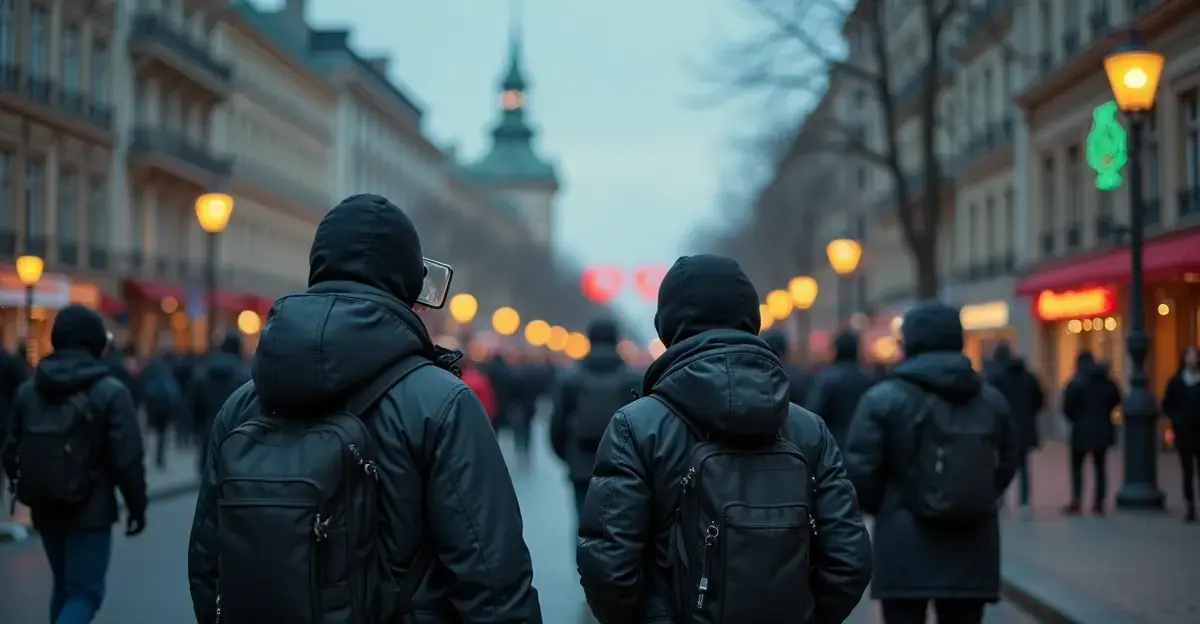
For over ten consecutive days, millions of Moscow residents have faced unprecedented mobile internet blackouts, with cellular service disruptions affecting calls, SMS, and data connectivity across Russia's capital. The Kremlin has officially acknowledged these restrictions as "necessary for security reasons," marking a significant escalation in Russia's ongoing digital isolation campaign that has already blocked major Western platforms like YouTube, Facebook, and Instagram.
What is the Moscow Internet Blackout?
The Moscow internet blackout refers to systematic mobile internet disruptions affecting Russia's capital since early March 2026. Unlike previous localized outages, this represents a coordinated effort by Russian authorities to test comprehensive communication restrictions. According to Kremlin spokesman Dmitry Peskov, these measures are essential for citizen safety, though experts suggest they represent a rehearsal for potential total internet shutdowns during political crises.
Timeline of Escalating Restrictions
The current crisis didn't emerge overnight. Russia has been systematically tightening internet controls for years, with the 2022 invasion of Ukraine accelerating censorship measures. Key developments include:
- March 6, 2026: Initial mobile internet disruptions reported in central Moscow
- March 10-12: Blackouts expand to St. Petersburg and other major cities
- March 15: Kremlin officially acknowledges "security-based" restrictions
- April 1, 2026: Planned complete ban on Telegram messaging service
Technical Implementation and 'White List' System
Russian authorities appear to be testing a controversial 'white list' system that would only allow access to government-approved websites and applications. This approach mirrors China's Great Firewall and Iran's restrictive internet policies. The system would create a completely controlled digital environment where only pre-approved content is accessible.
"The Kremlin is pushing toward a fully controlled internet ecosystem," explains digital rights analyst Maria Ivanova. "The white list represents the final stage of digital isolation, where citizens can only access what the state deems appropriate."
VPN Crackdown and Surveillance Expansion
Simultaneously, Russia is intensifying its crackdown on Virtual Private Networks (VPNs), the primary tool Russians use to circumvent internet restrictions. Roskomnadzor, Russia's communications regulator, claims technical capability to selectively restrict VPN traffic, and authorities plan to block all unauthorized VPNs within 3-6 months.
This crackdown coincides with the government's promotion of MAX, a state-controlled messaging app designed as a Russian alternative to China's WeChat. Unlike encrypted services like Telegram, MAX allows complete government surveillance and data sharing with authorities.
Economic Impact and Daily Life Disruptions
The economic consequences of the internet blackouts are severe. According to business estimates, Moscow has already lost $37-62 million since the outages began, with daily losses reaching approximately 1 billion roubles (£9.4 million). The disruptions affect multiple sectors:
| Sector | Impact | Workarounds |
|---|---|---|
| Retail & Payments | Digital payments failing, POS systems offline | Cash transactions, manual processing |
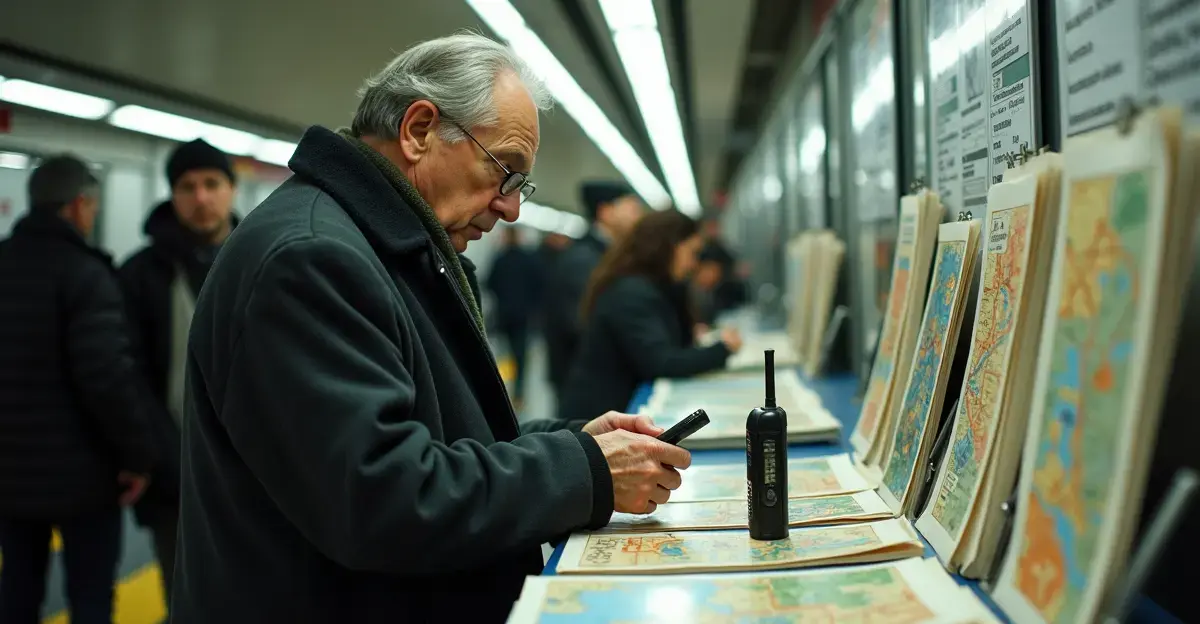
| Transportation | Ride-sharing apps unavailable, navigation disrupted | Paper maps, walkie-talkies for coordination |
| Business Operations | Remote work impossible, cloud services inaccessible | Physical meetings, local servers |
| Emergency Services | Delayed response times, communication gaps | Traditional radio systems |
Telegram Ban and the Push for MAX
The impending Telegram ban represents a critical turning point. With over 95 million Russian users, Telegram has become the last major platform for accessing alternative news sources and maintaining private communications. Russian authorities have already slowed Telegram access nationwide and plan complete blocking by April 1, 2026.
"The Kremlin aims to eliminate Telegram as the final remaining channel for alternative information," reports Russia correspondent Geert Groot Koerkamp. "Without VPNs, Russians will be completely dependent on state-approved platforms like MAX."
Many schools and government institutions have already transitioned to MAX, creating pressure for broader adoption. The app combines messaging, payments, and government services while allowing complete state surveillance—a feature absent from Western platforms.
Regional Variations and Security Justifications
While Moscow's blackouts dominate headlines, border regions like Belgorod have faced internet restrictions for much longer. Authorities claim these measures are necessary to hinder Ukrainian drone operations, though the restrictions extend far beyond conflict zones to Russia's Far East, where no drone threats exist.
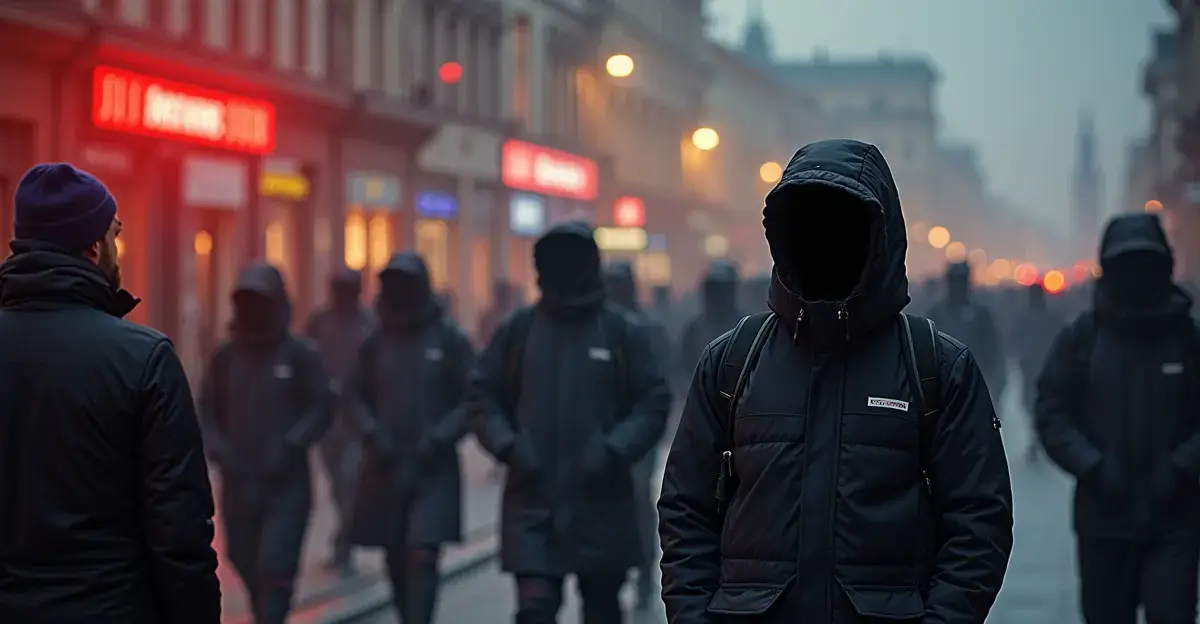
This geographical pattern suggests broader testing of internet control mechanisms rather than purely security-driven measures. The Russian digital sovereignty initiative appears to be entering its most aggressive phase, with complete digital isolation as the ultimate goal.
Citizen Response and Alternative Technologies
Russians are responding with remarkable ingenuity. Sales of walkie-talkies have increased by 27%, pagers by 73%, and paper road maps have seen unprecedented demand. On Russian disruption tracking site sboy.rf, users express frustration and confusion about the blackouts.
"Patriotic sentiment is already at a low point—why make it worse?" writes one Moscow resident. Others note that paid VPNs still work for now, though this window appears to be closing rapidly.
International Implications and Future Outlook
Russia's digital isolation has significant geopolitical implications. As the country cuts itself off from global internet infrastructure, it becomes increasingly dependent on Chinese technology and surveillance systems. Experts warn this could transform Russia into a "nuclear-armed North Korea" in digital terms.
The current Moscow blackouts likely represent testing phases for more comprehensive restrictions. With the planned VPN crackdown and Telegram ban, Russia appears determined to complete its digital Iron Curtain by late 2026, creating a completely controlled information environment similar to China's model.
FAQ: Moscow Internet Blackouts Explained
How long has Moscow been without mobile internet?
Major parts of Moscow have experienced mobile internet disruptions for over ten consecutive days since early March 2026, with some areas experiencing intermittent service.
Why is Russia blocking internet access?
The Kremlin cites "security reasons" but experts believe authorities are testing comprehensive internet control systems and preparing for potential political crises.
What is the 'white list' system?
A proposed system allowing access only to government-approved websites and applications, similar to China's Great Firewall and Iran's restrictive internet policies.
Will Telegram be completely banned?
Russian authorities plan to block Telegram completely by April 1, 2026, though users with VPNs may still access it temporarily.
What alternatives do Russians have?
Citizens are turning to walkie-talkies, pagers, paper maps, and paid VPNs, though the government is pushing adoption of its MAX messaging app.


Follow Discussion