


 Deutsch
 English
 Español
 Français
 Nederlands
 Português


 Share
Share




Russia Telegram Ban 2026: Complete Guide to Restrictions, Fines & VPN Workarounds
In a significant escalation of Russia's internet control measures, authorities have imposed severe restrictions on Telegram, one of the country's most popular messaging apps with millions of users. The Russian court has levied a fine of nearly 11 million rubles (approximately €112,000) against Telegram for allegedly refusing to remove content designated as "extremist" by Russian authorities. This development marks the latest chapter in Russia's ongoing efforts to control digital information flow and restrict platforms operating outside government oversight.
What is the Russia Telegram Ban 2026?
The Russia Telegram ban refers to the systematic restrictions and legal actions taken by Russian authorities against the Telegram messaging platform in February 2026. The telecommunications regulator Roskomnadzor announced phased restrictions on Telegram, accusing the platform of failing to comply with Russian laws regarding content moderation, data protection, and anti-fraud measures. This follows similar actions against other social media platforms and represents a continuation of Russia's broader internet control strategy.
Key Developments and Timeline
February 2026: Escalating Restrictions
Russian users began reporting widespread disruptions to Telegram services in early February 2026, with over 11,000 complaints about performance issues including slow download speeds, problems loading voice and video messages, and difficulties with media sharing. While text messages remained largely unaffected, the throttling significantly impacted daily workflows as Telegram is widely used for work communications and document sharing in Russia.
The €112,000 Fine
A Russian court imposed a fine of nearly 11 million rubles (approximately €112,000) on Telegram, citing the platform's refusal to remove content designated as "extremist" by Russian authorities. This financial penalty comes just one day after Roskomnadzor announced plans to restrict the app for allegedly violating Russian laws. The fine represents the latest in a series of financial penalties against Telegram, which has faced regular fines in recent months.
Historical Context: Previous Attempts to Block Telegram
This is not Russia's first attempt to restrict Telegram. In 2018, Russian authorities attempted to block the platform entirely, resulting in widespread internet disruptions across the country. The 2018 blocking attempt caused significant collateral damage as Roskomnadzor attempted to disable all IP addresses associated with Telegram servers, inadvertently affecting numerous Russian websites in the process. Unlike the 2018 internet shutdown, the 2026 approach appears more targeted, focusing on throttling rather than complete blocking.
Why is Russia Targeting Telegram?
Official Justifications
Russian authorities cite several official reasons for restricting Telegram:
- Failure to remove "extremist" content as designated by Russian authorities
- Alleged non-compliance with data protection regulations requiring data storage within Russia
- Insufficient measures to prevent criminal and terrorist use of the platform
- Failure to implement anti-fraud protections for users
The State-Backed Alternative: Max App
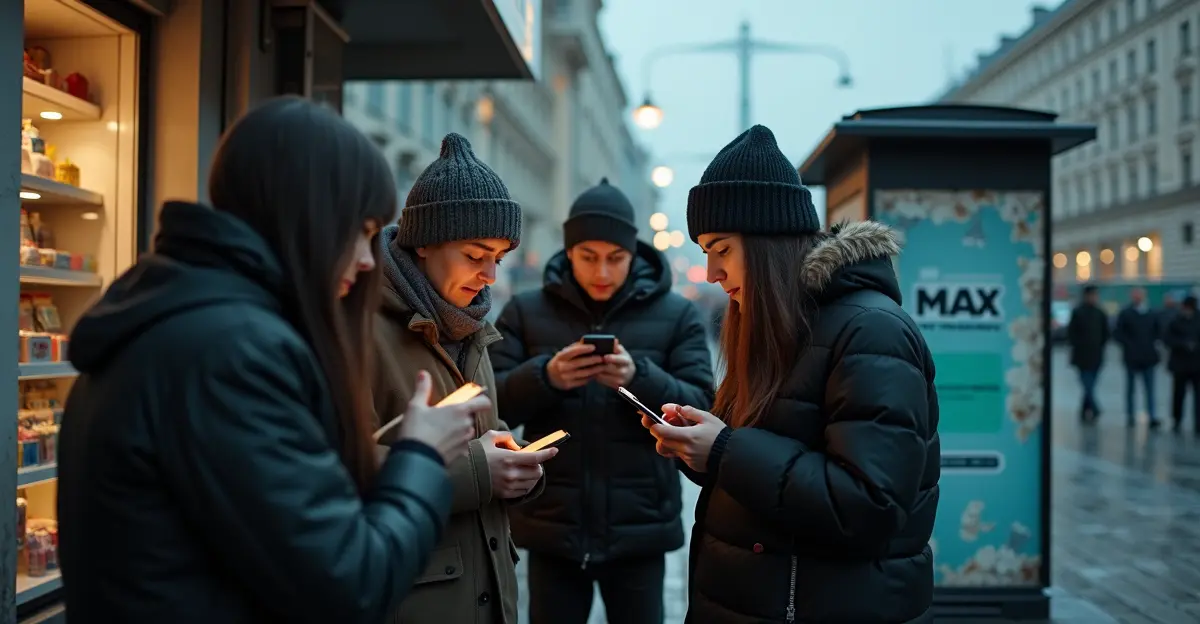
Telegram founder Pavel Durov has accused Russian authorities of attempting to force citizens to switch to the government-backed messaging app called Max. This state-controlled alternative integrates messaging with payments and government services and is now pre-installed on all new devices sold in Russia. The Max app requires Russian or Belarusian phone numbers, blocks communication with free Ukraine, and collects extensive user data while serving as a propaganda vehicle for the government.
Impact on Russian Users and Society
Communication Disruptions
For many Russians, Telegram represented "a last straw, the primary remaining source of independent information," according to Russia correspondent Geert Groot Koerkamp. The restrictions come on top of previous limitations on platforms like YouTube, Facebook, Instagram, and WhatsApp, which have either been blocked or severely restricted in Russia. Telegram and WhatsApp were particularly important for maintaining affordable communication with family members both within Russia and abroad.
Military and Security Concerns
Even pro-Kremlin military bloggers have expressed concerns about the Telegram restrictions, questioning how the limitations might affect communication between military personnel at the front lines. Some have drawn parallels to recent issues with Starlink satellite internet services, which SpaceX deactivated for Russian military use in Ukraine. Kremlin spokesperson Dmitry Peskov stated he couldn't imagine the military using Telegram for communication, but the concerns highlight the platform's widespread use across Russian society.
VPN Workarounds and Digital Resistance
The VPN Solution
Many Russians have turned to Virtual Private Networks (VPNs) to circumvent the restrictions on Telegram and other blocked platforms. While VPN use is not explicitly banned in Russia (though advertising VPN services is prohibited), Russian authorities have increasingly targeted VPN providers, often successfully pressuring them to comply with government restrictions. The digital censorship landscape in Russia has created a cat-and-mouse game between authorities and tech-savvy users seeking to maintain access to global internet services.
Alternative Communication Methods
In response to the growing restrictions, Russians have increasingly turned to:
- Email for distributing newsletters and news digests
- Specialized media apps that bypass internet blocks
- Older communication methods that receive less government scrutiny
- Decentralized platforms and encrypted services
Broader Context: Russia's Digital Iron Curtain
The Telegram restrictions represent just one component of Russia's systematic construction of what experts call a "Digital Iron Curtain." Russian authorities have implemented draconian laws blocking thousands of websites, including foreign social media platforms, and have established state-controlled internet infrastructure through the 2019 "sovereign internet" law. This comprehensive approach to internet control mirrors strategies employed by other authoritarian regimes while adapting to Russia's specific technological and political context.
International Reactions and Implications
The international community has expressed concern about Russia's increasing internet censorship. Human Rights Watch has documented systematic state censorship that violates international laws protecting freedom of expression, access to information, and privacy rights. The restrictions on Telegram follow similar actions in other countries, with Spain recently accusing the platform of spreading misinformation. However, Russia's approach is particularly comprehensive, representing a fundamental shift toward state-controlled digital ecosystems.
FAQ: Russia Telegram Ban 2026
1. What exactly is happening with Telegram in Russia?
Russian authorities are implementing phased restrictions on Telegram, including throttling internet traffic to the platform and imposing financial penalties. The platform faces a €112,000 fine for allegedly refusing to remove "extremist" content.
2. Can Russians still use Telegram?
Yes, but with significant limitations. Many users report performance issues, and access may require using VPNs to circumvent restrictions. Text messaging generally works, but media sharing and voice/video features are often disrupted.
3. Why is Russia targeting Telegram specifically?
Authorities cite content moderation failures and data protection concerns, but critics believe the real motivation is to force users onto the state-controlled Max app and eliminate one of the last major platforms for independent information in Russia.
4. How does this compare to previous internet restrictions in Russia?
The current approach is more sophisticated than the 2018 attempt to block Telegram entirely. Rather than causing widespread internet disruptions, authorities are using targeted throttling techniques while promoting the state-controlled alternatives like the Max app.
5. What are the long-term implications for internet freedom in Russia?
Experts warn that Russia is systematically constructing a state-controlled digital ecosystem that severely limits access to independent information and undermines communication security, creating an increasingly isolated digital environment for Russian citizens.

Follow Discussion